4 份作品集都錄取康乃爾建築本科:他們把生活經驗「轉譯」成空間(2026 年 10 月官方查核)4 份作品集都录取康乃尔建筑本科:他们把生活经验「转译」成空间(2026 年 10 月官方查核)Four portfolios, four Cornell B.Arch offers: how admitted students translated everyday experience into space (checked October 2026)
用微信掃描這張 QR code 即可分享。用微信扫描这张 QR code 即可分享。Scan this QR code with WeChat to share.
掃描或下載這張 QR code。扫描或下载这张 QR code。Scan or download this QR code.
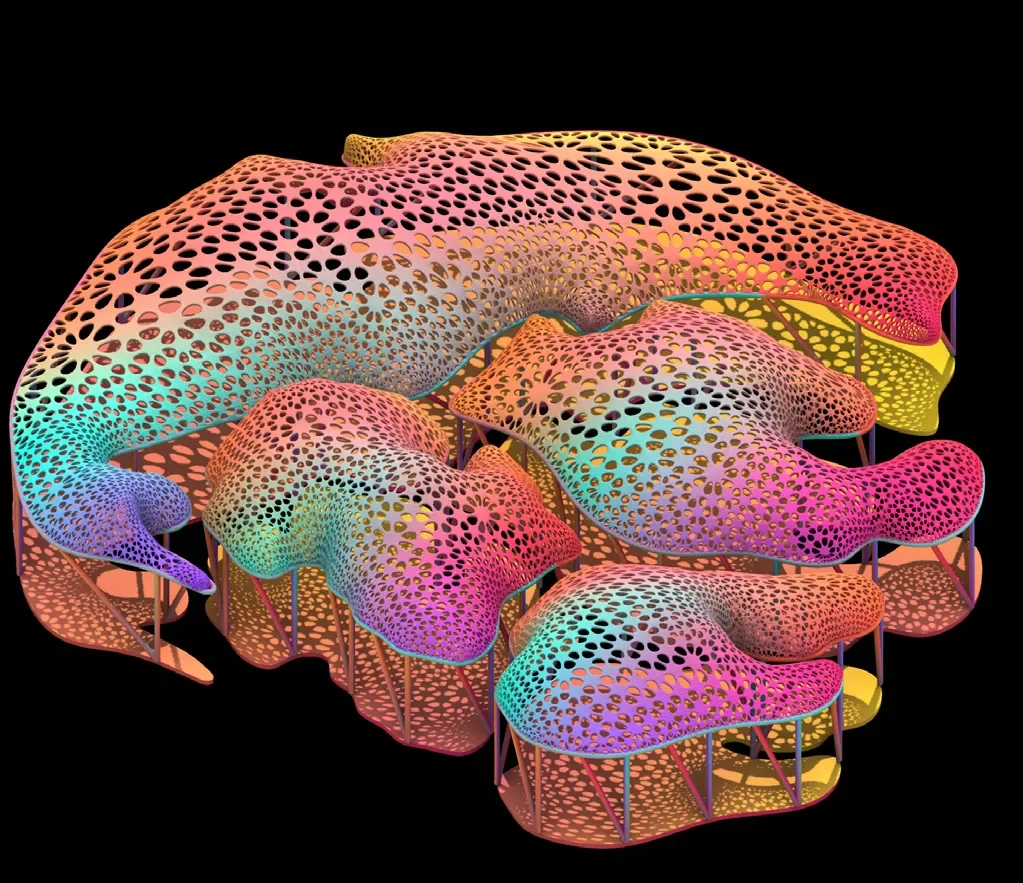
今年有四份風格完全不同的作品集,都拿到了康乃爾大學建築學士(Bachelor of Architecture,B.Arch)錄取。很多家長和學生一聽到「康乃爾建築本科」,第一反應是:作品集是不是必須很像建築專業?是不是要畫很多建築圖、要有很厲害的渲染?這四份作品集給出的答案恰恰相反。
它們當然有模型、圖紙、草圖、材料實驗和數位建模,但真正讓它們成立的,不是「看起來像建築作品集」,而是每個學生都把自己的生活經驗、觀察方式、興趣系統和價值判斷,轉譯成了空間——他們不是在證明自己已經是建築師,而是在證明自己已經具備成為建築師的思維方式。
2026 年 10 月重新查核:學制、作品集規定、截止日與影片面試題目,均依康乃爾 AAP 官網更新;四位學生的作品屬個人案例,送件前請再以官網最新公告為準。
康乃爾 B.Arch 作品集官方要求是什麼?
| 項目 | 官方內容 |
|---|---|
| 學制 | 五年制專業學位(B.Arch.),經 NAAB 認證,並列為 STEM 項目 |
| 課程重點 | 強調設計,同時涵蓋理論、歷史、技術、表現與結構;學生透過模型與圖紙溝通想法,在類比與數位表現之間流動;前三年為核心課程,最後四個學期鼓勵跨學科 |
| 必交材料 | 作品集+影片面試,只接受經 Cornell AAP SlideRoom 上傳 |
| 截止日 | Early Decision 新生 11 月 1 日;Regular Decision 新生 1 月 2 日;逾期不收。Fall 2027 不接受外校轉學申請 |
| 張數 | 15–20 張,每個項目最多 2 張 |
| 內容 | 展現申請者作為未來建築學生的技能與觀點:自由手繪(草圖與完整作品),以及繪畫、尺規構成圖、設計作品、雕塑、影片、攝影、木工與其他工藝 |
| 影片面試 | 連續拍攝、不剪輯、總長不超過 3 分鐘,回答三題:你如何表達創造力?描述一件藝術、設計、建築或社會行動項目的設計過程與影響;為什麼想讀建築? |
| 原創要求 | 不可外包給第三方,包含 AI 生成圖像;團隊作品須標註合作者與自己的角色 |
以上出自康乃爾 AAP 建築本科招生頁與康乃爾 AAP 建築系本科項目頁。招生頁也列出學院重視的特質,例如 Expressive Designers、Creative Thinkers、Spatial Changemakers、Cultural Innovators、Rigorous Makers、Empathic Individuals、Broad Thinkers——不是只看「建築成品」,而是看一個學生如何觀察、轉譯、製作與表達。
四份作品集的共同答案是什麼?先建立自己的世界觀
這四份作品集風格完全不同,卻有一個共同特徵:每個項目背後都有一個明確的「為什麼」。不是為了做模型而做模型,也不是為了展示軟體而展示軟體,而是從個人經驗、社會議題、材料觀察或文化記憶出發,逐步變成空間系統。
四位學生的強項也不同,說明康乃爾並不只接受某一種「標準建築生」:
- 繪畫與陶瓷型:以油畫、針管筆、麥克筆、鉛筆素描與陶瓷,處理身體、審美壓力與結構觀察。
- 計算設計型:從高爾夫球飛行軌跡、寵物運動、電影《The Substance》裡的身體焦慮、真菌生長等經驗出發,轉成模型系統與參數化結構。
- 遊戲敘事型:從越獄影集、Unity 逃脫遊戲、垂直綠化、遊戲裡的城堡與神殿出發,抽取空間組織、敘事路徑與運動體驗。
- 生態行動型:圍繞廚餘、海洋污染、客家建築、珊瑚生態與社區教育,形成一條長期觀察與行動的主線。
為什麼不要「空降概念」?題目要和自己有關
很多學生做建築作品集時,最常見的問題是題目很大、但和自己沒有關係:一上來就做「未來城市」「生態社區」「永續建築」,概念聽起來正確,作品裡卻看不到個人觀察,也看不到為什麼這個學生非做不可。
這四份作品集避開了這個坑,項目大多來自真實經歷:有人從身體與美的焦慮出發,有人從高爾夫揮桿的空間弧線出發,有人從帆船經驗與海洋污染出發,有人從遊戲空間和動漫建築出發,也有人從家族鄉村記憶和客家建築出發。
繪畫與陶瓷型的學生,最值得放進作品集的反而不是前半部分的模型,而是後段的繪畫、陶瓷與素描:她把不現實的美貌標準轉化為紅、藍兩組身體形象——紅色指向外部評價帶來的壓迫,藍色指向自我懷疑與飲食焦慮。建築立面素描說明她有耐心、比例感與構造觀察能力;骨骼素描則說明她能面對複雜結構細緻描繪。這正好對應官網列出的自由手繪、繪畫與雕塑媒材。
生態行動型學生的個人來源更強:廚餘處理系統來自家裡倒廚餘的日常觀察,海洋污染項目來自他作為帆船運動者和教練的親身經驗,客家建築研究來自父輩家鄉與家族記憶。招生官看到的不是一個可以被替換的「環保主題」,而是一個學生長期觀察某個問題、願意為它投入行動的證據。
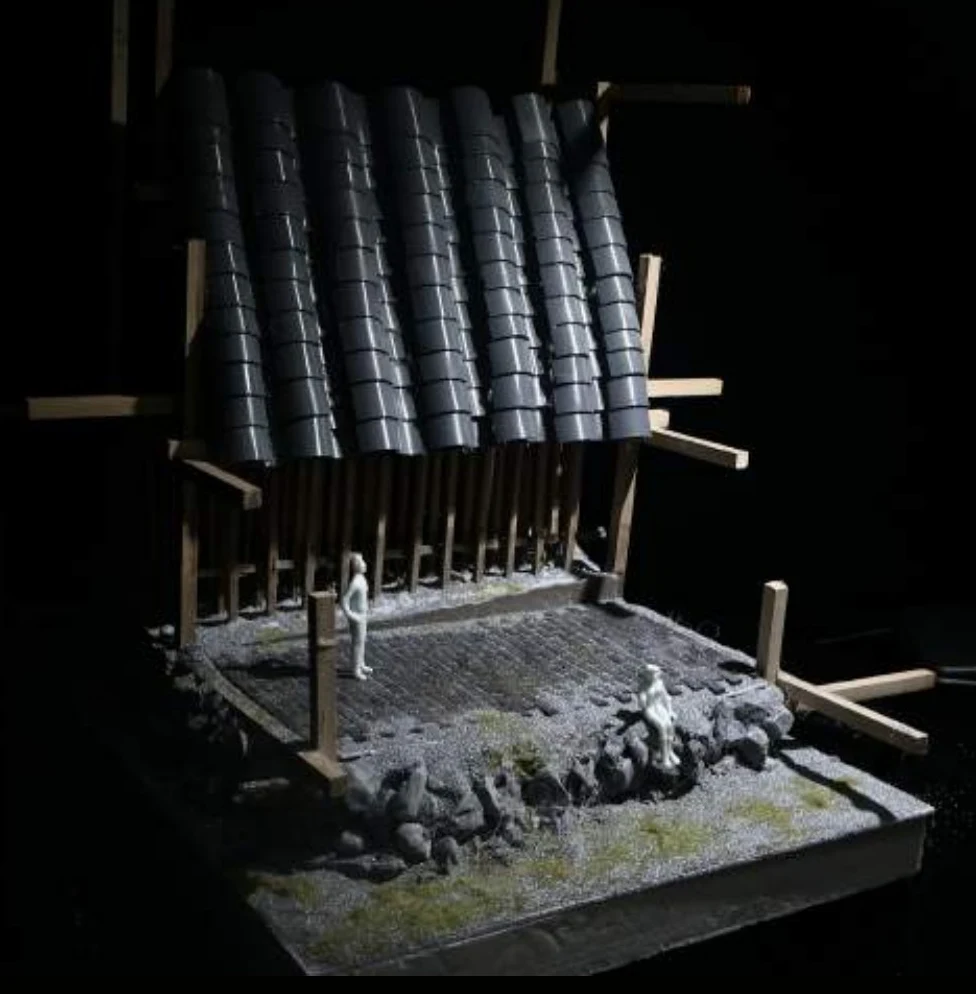
看完整作品:故鄉記憶 →
作品集要怎麼展現「過程證據」?
康乃爾官網要求作品集包含手繪、草圖、發展中的作品與多種媒材,背後的邏輯很明確:建築教育不只看最終效果,而是看學生如何推導。四份作品集都保留了大量過程資訊:
- 計算設計型學生的大學夏校項目,有平面、剖面、軸測、模型細節與最終模型;
- 遊戲敘事型學生的項目,經常展示靈感來源、手繪、模型迭代與數位延伸;
- 生態行動型學生的項目,不只有模型,還有現場照片、實驗對比、構造方法和社區實施過程;
- 繪畫與陶瓷型學生後段的繪畫、陶瓷與素描,呈現從身體情緒、畫面構圖到結構觀察的視覺訓練過程。
放進康乃爾的 15–20 張裡,「每個項目最多 2 張」的限制意味著:一張交代完成品,另一張就要精選最能說明推導過程的畫面,而不是把所有草圖都塞進去。
多媒材能力怎麼證明?參數化要服務於觀察
官網特別列出自由手繪、繪畫、構成圖、設計、雕塑、攝影、木工與其他工藝,意思是康乃爾想看到的是視覺與空間素養的廣度,而不是某一個軟體的熟練度。四份作品集幾乎都包含實體模型、手繪、材料實驗、數位建模或計算設計:
- 計算設計型學生的「無限擴張」,從真菌生長觀察進入 Grasshopper 與 Kangaroo 物理模擬;
- 遊戲敘事型學生把實體模型延伸到 Unity 遊戲空間;
- 生態行動型學生用 Rhino、3D 列印、陶瓷與真實生態材料研究人工珊瑚礁;
- 繪畫與陶瓷型學生以油畫、針管筆、麥克筆、鉛筆素描與陶瓷證明二維造型與結構觀察能力。
重點不是「會不會參數化」,而是參數化有沒有服務於一個觀察問題。「無限擴張」的計算設計不是孤立炫技,而是從生物生長形態中擷取曲線、生成結構、模擬膜狀屋頂,再優化為多孔結構——技術是思考的結果,而不是作品集的噱頭。
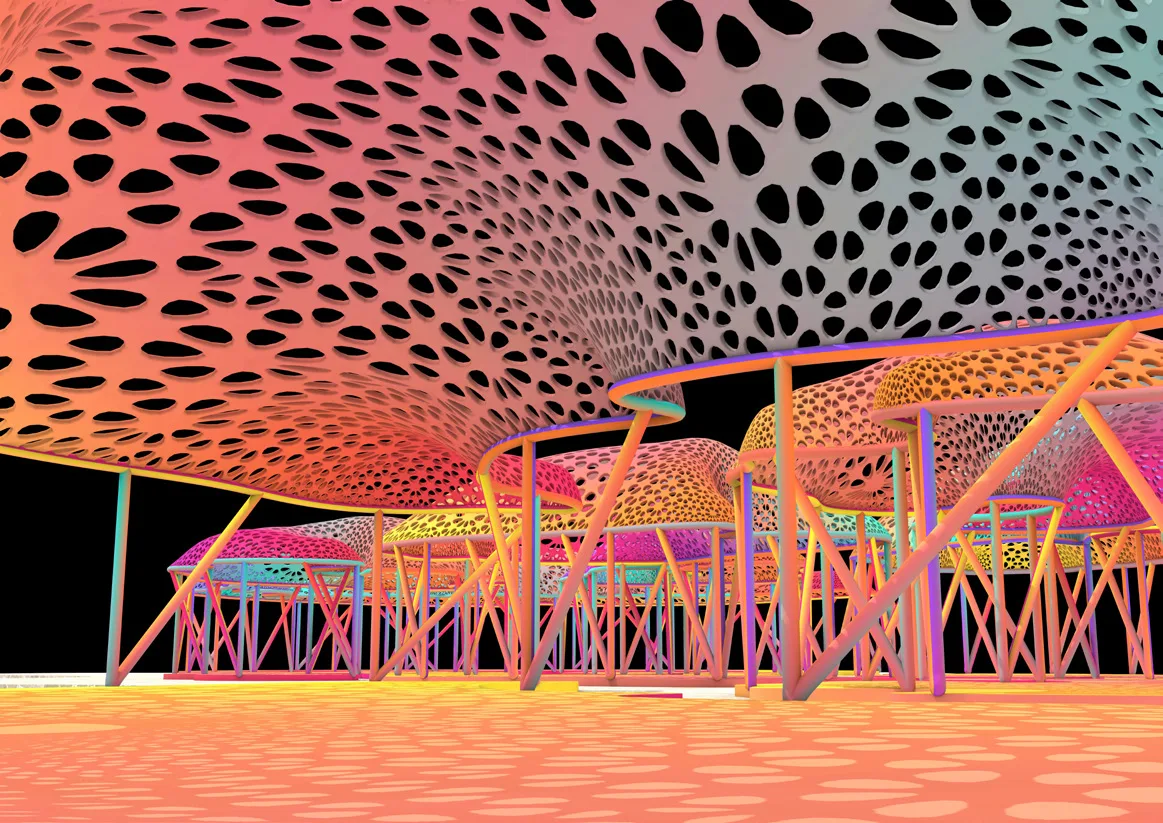
看完整作品:無限擴張 →
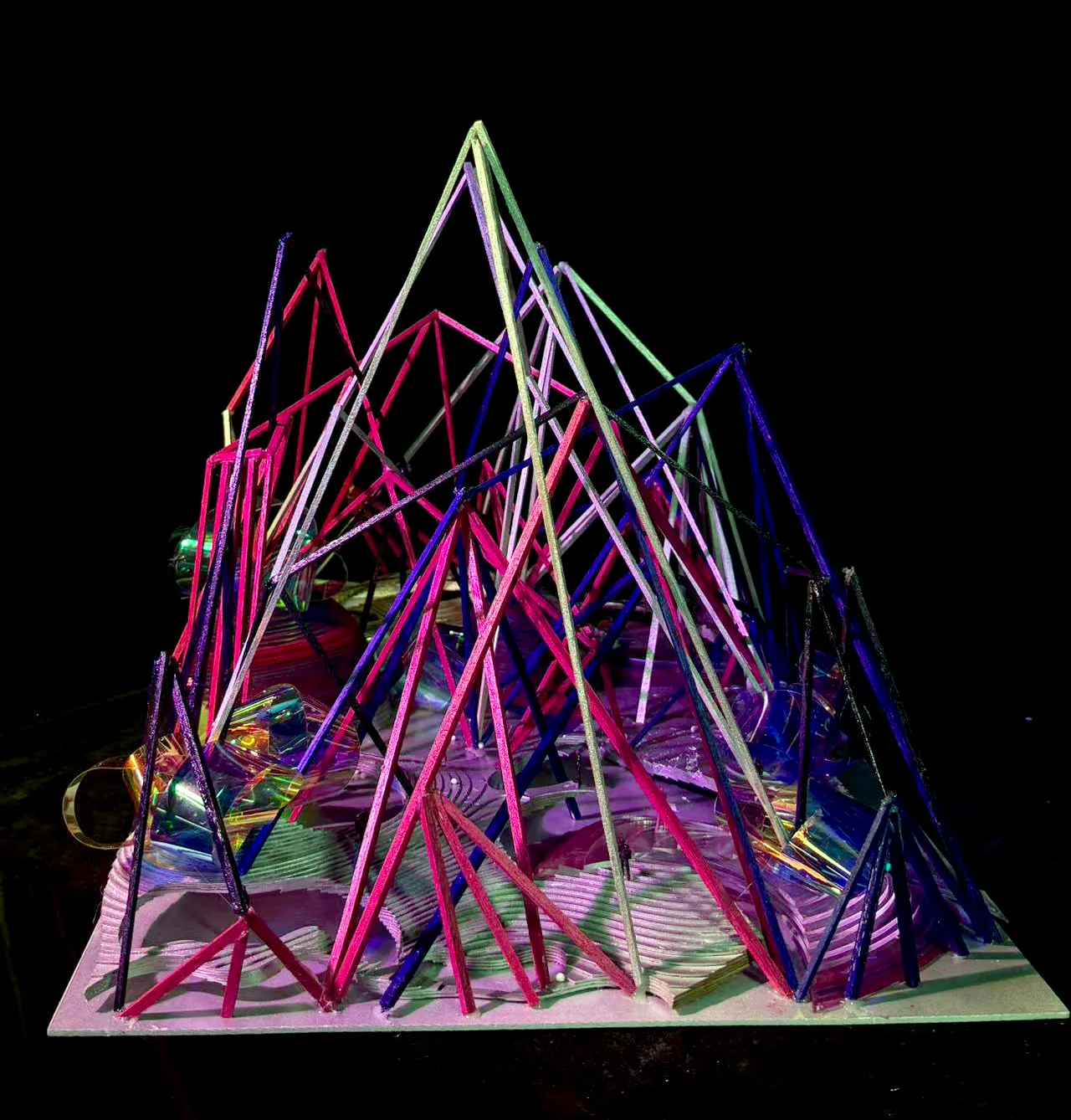
看完整作品:空中的高爾夫球 →
遊戲敘事型學生的優勢在跨媒介想像力:他沒有把遊戲和動漫當作廉價靈感,而是進一步抽取其中的空間組織、敘事路徑、邊界、層級和運動體驗。這和康乃爾官網描述的「在類比與數位表現之間流動」、後期鼓勵跨學科探索非常契合。
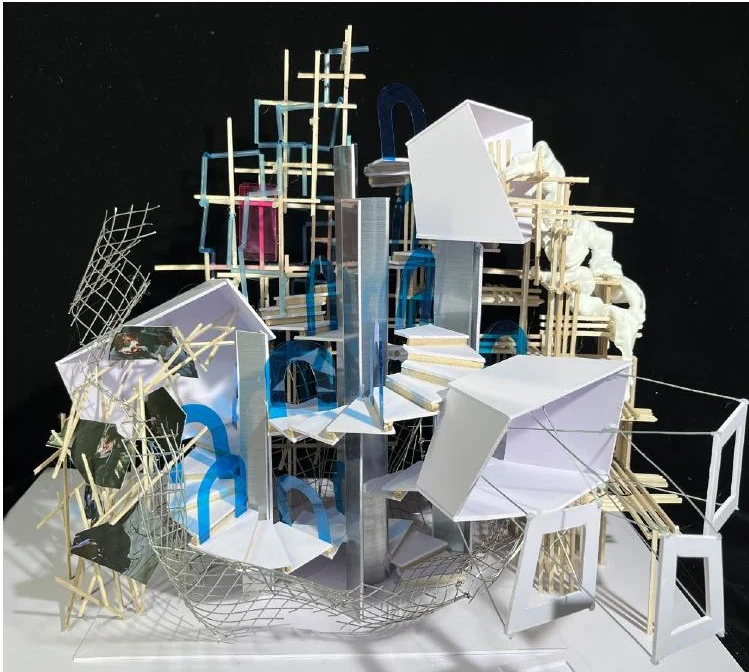
看完整作品:逃脫的空間敘事 →
作品集的價值方向要多具體?
優秀作品集最怕「空」——不是畫面空,而是價值空。很多學生會寫「我希望透過建築改善世界」,但作品裡看不到具體改善什麼、為什麼改善、怎麼改善。這四份作品集的價值方向都很明確:關注身體、審美壓力與結構素描;關注身體經驗、女性處境、自然生長與空間感知;關注人、自然、虛擬文化與空間敘事的關係;以及持續圍繞廚餘、海洋污染、鄉土建築、珊瑚生態與社區教育展開。
生態行動型學生的線索特別穩定:家庭廚餘、村莊系統、海洋垃圾、珊瑚生態、人工礁體、地方建築記憶。這種真實問題意識,正好回應康乃爾影片面試的第二題——描述一件創作項目的設計過程與影響。他不需要用抽象語言證明 impact,因為作品裡的實施照片、合作方、實驗模擬與生態教育本身就是 impact。
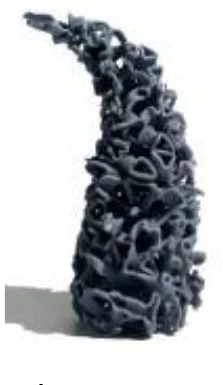
看完整作品:演算法建模:人工珊瑚礁 →
作品集是不是「越像建築」越好?
不是。康乃爾建築本科並不要求你在高中階段就做出完美的建築方案;相反地,如果作品集過度成熟、過度模板化、過度像被訓練出來的「標準建築圖」,反而可能失去個人性。如果只用一個詞總結四位學生的共同點,我會選「轉譯」:
- 把身體、審美壓力與結構觀察,轉譯為繪畫、陶瓷與素描語言;
- 把運動、電影、生物與宗教空間,轉譯為模型系統;
- 把遊戲、動漫、生態與虛擬敘事,轉譯為空間路徑;
- 把家庭生活、海洋經驗與鄉土記憶,轉譯為真實系統與生態模型。
以我 12,000+ 小時設計教學與設計諮詢的經驗來看,這種轉譯能力正是建築教育最核心的能力之一:建築不是簡單畫房子,而是把人的行為、社會結構、材料性能、環境條件和文化記憶重新組織成空間。
準備康乃爾建築本科作品集,該先回答哪三個問題?
很多學生會問一個看似正確、實際很危險的問題:「康乃爾喜歡什麼風格?」從這四份作品集看,康乃爾沒有單一風格——材料感強的作品、計算設計、遊戲敘事、生態行動、文化研究都可以。真正關鍵的是:你有沒有一個能持續發展的個人問題?能不能把它變成觀察、草圖、模型、實驗、圖紙和最終表達?與其先學軟體或模仿某份錄取作品集,不如先回答:
- 我長期觀察什麼?一個來自生活、興趣、場地或社會經驗的真實問題。
- 我如何把它變成空間?草圖、模型、材料、結構、路徑、光影、尺度、場景。
- 這個項目對我或他人有什麼影響?個人成長、社區回應、生態意識、文化記憶、真實實施或公眾教育。
三個問題回答清楚,作品集就會從「作品堆疊」變成「個人系統」。最後再照官網規格剪裁:15–20 張、每個項目最多 2 張、說明交代意圖與過程、標註尺寸媒材與完成情境、不使用 AI 生成圖像,並準備一段 3 分鐘以內、不剪輯的影片面試。
今年有四份风格完全不同的作品集,都拿到了康乃尔大学建筑学士(Bachelor of Architecture,B.Arch)录取。很多家长和学生一听到「康乃尔建筑本科」,第一反应是:作品集是不是必须很像建筑专业?是不是要画很多建筑图、要有很厉害的渲染?这四份作品集给出的答案恰恰相反。
它们当然有模型、图纸、草图、材料实验和数字建模,但真正让它们成立的,不是「看起来像建筑作品集」,而是每个学生都把自己的生活经验、观察方式、兴趣系统和价值判断,转译成了空间——他们不是在证明自己已经是建筑师,而是在证明自己已经具备成为建筑师的思维方式。
2026 年 10 月重新查核:学制、作品集规定、截止日与视频面试题目,均依康乃尔 AAP 官网更新;四位学生的作品属个人案例,送件前请再以官网最新公告为准。
康乃尔 B.Arch 作品集官方要求是什么?
| 项目 | 官方内容 |
|---|---|
| 学制 | 五年制专业学位(B.Arch.),经 NAAB 认证,并列为 STEM 项目 |
| 课程重点 | 强调设计,同时涵盖理论、历史、技术、表现与结构;学生通过模型与图纸沟通想法,在模拟与数字表现之间流动;前三年为核心课程,最后四个学期鼓励跨学科 |
| 必交材料 | 作品集+视频面试,只接受经 Cornell AAP SlideRoom 上传 |
| 截止日 | Early Decision 新生 11 月 1 日;Regular Decision 新生 1 月 2 日;逾期不收。Fall 2027 不接受外校转学申请 |
| 张数 | 15–20 张,每个项目最多 2 张 |
| 内容 | 展现申请者作为未来建筑学生的技能与观点:自由手绘(草图与完整作品),以及绘画、尺规构成图、设计作品、雕塑、视频、摄影、木工与其他工艺 |
| 视频面试 | 连续拍摄、不剪辑、总长不超过 3 分钟,回答三题:你如何表达创造力?描述一件艺术、设计、建筑或社会行动项目的设计过程与影响;为什么想读建筑? |
| 原创要求 | 不可外包给第三方,包含 AI 生成图像;团队作品须标注合作者与自己的角色 |
以上出自康乃尔 AAP 建筑本科招生页与康乃尔 AAP 建筑系本科项目页。招生页也列出学院重视的特质,例如 Expressive Designers、Creative Thinkers、Spatial Changemakers、Cultural Innovators、Rigorous Makers、Empathic Individuals、Broad Thinkers——不是只看「建筑成品」,而是看一个学生如何观察、转译、制作与表达。
四份作品集的共同答案是什么?先创建自己的世界观
这四份作品集风格完全不同,却有一个共同特征:每个项目背后都有一个明确的「为什么」。不是为了做模型而做模型,也不是为了展示软件而展示软件,而是从个人经验、社会议题、材料观察或文化记忆出发,逐步变成空间系统。
四位学生的强项也不同,说明康乃尔并不只接受某一种「标准建筑生」:
- 绘画与陶瓷型:以油画、针管笔、麦克笔、铅笔素描与陶瓷,处理身体、审美压力与结构观察。
- 计算设计型:从高尔夫球飞行轨迹、宠物运动、电影《The Substance》里的身体焦虑、真菌生长等经验出发,转成模型系统与参数化结构。
- 游戏叙事型:从越狱影集、Unity 逃脱游戏、垂直绿化、游戏里的城堡与神殿出发,抽取空间组织、叙事路径与运动体验。
- 生态行动型:围绕厨余、海洋污染、客家建筑、珊瑚生态与社区教育,形成一条长期观察与行动的主线。
为什么不要「空降概念」?题目要和自己有关
很多学生做建筑作品集时,最常见的问题是题目很大、但和自己没有关系:一上来就做「未来城市」「生态社区」「永续建筑」,概念听起来正确,作品里却看不到个人观察,也看不到为什么这个学生非做不可。
这四份作品集避开了这个坑,项目大多来自真实经历:有人从身体与美的焦虑出发,有人从高尔夫挥杆的空间弧线出发,有人从帆船经验与海洋污染出发,有人从游戏空间和动漫建筑出发,也有人从家族乡村记忆和客家建筑出发。
绘画与陶瓷型的学生,最值得放进作品集的反而不是前半部分的模型,而是后段的绘画、陶瓷与素描:她把不现实的美貌标准转化为红、蓝两组身体形象——红色指向外部评价带来的压迫,蓝色指向自我怀疑与饮食焦虑。建筑立面素描说明她有耐心、比例感与构造观察能力;骨骼素描则说明她能面对复杂结构细致描绘。这正好对应官网列出的自由手绘、绘画与雕塑媒材。
生态行动型学生的个人来源更强:厨余处理系统来自家里倒厨余的日常观察,海洋污染项目来自他作为帆船运动者和教练的亲身经验,客家建筑研究来自父辈家乡与家族记忆。招生官看到的不是一个可以被替换的「环保主题」,而是一个学生长期观察某个问题、愿意为它投入行动的证据。
看完整作品:故乡记忆 →
作品集要怎么展现「过程证据」?
康乃尔官网要求作品集包含手绘、草图、发展中的作品与多种媒材,背后的逻辑很明确:建筑教育不只看最终效果,而是看学生如何推导。四份作品集都保留了大量过程信息:
- 计算设计型学生的大学夏校项目,有平面、剖面、轴测、模型细节与最终模型;
- 游戏叙事型学生的项目,经常展示灵感来源、手绘、模型迭代与数字延伸;
- 生态行动型学生的项目,不只有模型,还有现场照片、实验对比、构造方法和社区实施过程;
- 绘画与陶瓷型学生后段的绘画、陶瓷与素描,呈现从身体情绪、画面构图到结构观察的视觉训练过程。
放进康乃尔的 15–20 张里,「每个项目最多 2 张」的限制意味着:一张交代完成品,另一张就要精选最能说明推导过程的画面,而不是把所有草图都塞进去。
多媒材能力怎么证明?参数化要服务于观察
官网特别列出自由手绘、绘画、构成图、设计、雕塑、摄影、木工与其他工艺,意思是康乃尔想看到的是视觉与空间素养的广度,而不是某一个软件的熟练度。四份作品集几乎都包含实体模型、手绘、材料实验、数字建模或计算设计:
- 计算设计型学生的「无限扩张」,从真菌生长观察进入 Grasshopper 与 Kangaroo 物理仿真;
- 游戏叙事型学生把实体模型延伸到 Unity 游戏空间;
- 生态行动型学生用 Rhino、3D 打印、陶瓷与真实生态材料研究人工珊瑚礁;
- 绘画与陶瓷型学生以油画、针管笔、麦克笔、铅笔素描与陶瓷证明二维造型与结构观察能力。
重点不是「会不会参数化」,而是参数化有没有服务于一个观察问题。「无限扩张」的计算设计不是孤立炫技,而是从生物生长形态中截取曲线、生成结构、仿真膜状屋顶,再优化为多孔结构——技术是思考的结果,而不是作品集的噱头。
看完整作品:无限扩张 →
看完整作品:空中的高尔夫球 →
游戏叙事型学生的优势在跨媒介想像力:他没有把游戏和动漫当作廉价灵感,而是进一步抽取其中的空间组织、叙事路径、边界、层级和运动体验。这和康乃尔官网描述的「在模拟与数字表现之间流动」、后期鼓励跨学科探索非常契合。
看完整作品:逃脱的空间叙事 →
作品集的价值方向要多具体?
优秀作品集最怕「空」——不是画面空,而是价值空。很多学生会写「我希望通过建筑改善世界」,但作品里看不到具体改善什么、为什么改善、怎么改善。这四份作品集的价值方向都很明确:关注身体、审美压力与结构素描;关注身体经验、女性处境、自然生长与空间感知;关注人、自然、虚拟文化与空间叙事的关系;以及持续围绕厨余、海洋污染、乡土建筑、珊瑚生态与社区教育展开。
生态行动型学生的线索特别稳定:家庭厨余、村庄系统、海洋垃圾、珊瑚生态、人工礁体、地方建筑记忆。这种真实问题意识,正好回应康乃尔视频面试的第二题——描述一件创作项目的设计过程与影响。他不需要用抽象语言证明 impact,因为作品里的实施照片、合作方、实验仿真与生态教育本身就是 impact。
看完整作品:算法建模:人工珊瑚礁 →
作品集是不是「越像建筑」越好?
不是。康乃尔建筑本科并不要求你在高中阶段就做出完美的建筑方案;相反地,如果作品集过度成熟、过度模板化、过度像被训练出来的「标准建筑图」,反而可能失去个人性。如果只用一个词总结四位学生的共同点,我会选「转译」:
- 把身体、审美压力与结构观察,转译为绘画、陶瓷与素描语言;
- 把运动、电影、生物与宗教空间,转译为模型系统;
- 把游戏、动漫、生态与虚拟叙事,转译为空间路径;
- 把家庭生活、海洋经验与乡土记忆,转译为真实系统与生态模型。
以我 12,000+ 小时设计教学与设计咨询的经验来看,这种转译能力正是建筑教育最核心的能力之一:建筑不是简单画房子,而是把人的行为、社会结构、材料性能、环境条件和文化记忆重新组织成空间。
准备康乃尔建筑本科作品集,该先回答哪三个问题?
很多学生会问一个看似正确、实际很危险的问题:「康乃尔喜欢什么风格?」从这四份作品集看,康乃尔没有单一风格——材料感强的作品、计算设计、游戏叙事、生态行动、文化研究都可以。真正关键的是:你有没有一个能持续发展的个人问题?能不能把它变成观察、草图、模型、实验、图纸和最终表达?与其先学软件或模仿某份录取作品集,不如先回答:
- 我长期观察什么?一个来自生活、兴趣、场地或社会经验的真实问题。
- 我如何把它变成空间?草图、模型、材料、结构、路径、光影、尺度、场景。
- 这个项目对我或他人有什么影响?个人成长、社区回应、生态意识、文化记忆、真实实施或公众教育。
三个问题回答清楚,作品集就会从「作品堆栈」变成「个人系统」。最后再照官网规格剪裁:15–20 张、每个项目最多 2 张、说明交代意图与过程、标注尺寸媒材与完成情境、不使用 AI 生成图像,并准备一段 3 分钟以内、不剪辑的视频面试。
This year, four portfolios in completely different styles were all admitted to the Cornell University Bachelor of Architecture (B.Arch). Many parents and students, the moment they hear "Cornell undergraduate architecture," react the same way: does the portfolio have to look like professional architecture? Does it need lots of architectural drawings, and impressive renderings? The answer these four portfolios give is the opposite.
They do have models, drawings, sketches, material experiments, and digital modeling. What actually makes them work is not that they "look like an architecture portfolio." Each student translated everyday experience, a way of observing, a system of interests, and a set of value judgments into space. They are not proving that they are already architects. They are proving that they already have the way of thinking it takes to become one.
Rechecked in October 2026: degree structure, portfolio rules, deadlines, and video-interview prompts are updated from the Cornell AAP website. The four students' work is individual cases; before you submit, take the latest notice on the official site as the authority.
What are the official requirements for a Cornell B.Arch portfolio?
| Project | Official details |
|---|---|
| Degree structure | A five-year professional degree (B.Arch.), NAAB-accredited, and also listed as a STEM project |
| Curriculum focus | Design is emphasized, and the curriculum also covers theory, history, technology, representation, and structure. Students communicate ideas through models and drawings, moving between analog and digital representation. The first three years are the core curriculum; the final four semesters encourage work across disciplines |
| Required materials | Portfolio + video interview, accepted only by upload through Cornell AAP SlideRoom |
| Deadlines | Early Decision, first-year applicants: November 1; Regular Decision, first-year applicants: January 2; late submissions are not accepted. Fall 2027 does not accept transfer applications from other institutions |
| Number of images | 15–20 images, at most 2 per project |
| Content | Work that shows the applicant's skills and point of view as a future architecture student: freehand drawing (sketches and finished works), plus painting, ruler-and-compass compositional drawings, design work, sculpture, video, photography, woodworking, and other crafts |
| Video interview | Filmed continuously, unedited, no more than 3 minutes in total, answering three prompts: How do you express creativity? Describe the design process and impact of one art, design, architecture, or social-action project; why do you want to study architecture? |
| Originality | Work may not be outsourced to a third party, and this includes AI-generated images. Team work must credit the collaborators and your own role |
The above is from the Cornell AAP undergraduate architecture admissions page and the Cornell AAP Department of Architecture undergraduate project page. The admissions page also lists qualities the college values, such as Expressive Designers, Creative Thinkers, Spatial Changemakers, Cultural Innovators, Rigorous Makers, Empathic Individuals, and Broad Thinkers. It looks at how a student observes, translates, makes, and expresses. A "finished piece of architecture" is not the only thing it looks at.
What do the four portfolios answer in common? Build your own worldview first
The four portfolios could not look more different, and they share one trait: there is a clear "why" behind every project. They are not models made in order to make models, and they are not software shown in order to show software. They start from personal experience, a social issue, an observation of materials, or a cultural memory, and step by step become a spatial system.
The four students are strong in different ways, which shows that Cornell does not admit only one kind of "standard architecture student":
- Painting and ceramics: oil paint, technical pen, marker, pencil drawing, and ceramics, used to work through the body, aesthetic pressure, and structural observation.
- Computational design: starting from experiences such as the flight path of a golf ball, the movement of a pet, anxiety about the body in the film "The Substance," and fungal growth, then turning them into model systems and parametric structures.
- Game narrative: starting from a prison-break series, a Unity escape game, vertical greening, and the castles and temples in games, then extracting spatial organization, narrative paths, and the experience of movement.
- Ecological action: organized around food waste, ocean pollution, Hakka architecture, coral ecology, and community education, forming one long line of observation and action.
Why not parachute in a concept? The topic has to be about you
The most common problem when students make an architecture portfolio is a topic that is huge and has nothing to do with them. They open with "the future city," "an ecological community," or "sustainable architecture." The concept sounds correct, but the work shows no personal observation, and no reason this student had to make it.
These four portfolios avoid that pitfall. Most of the projects come from real experience: one person starts from anxiety about the body and about beauty, one from the spatial arc of a golf swing, one from sailing and ocean pollution, one from game space and architecture in anime, and one from a family's rural memory and Hakka architecture.
For the painting-and-ceramics student, what most deserves a place in the portfolio is the painting, ceramics, and drawing in the later part, more than the models in the first half. She turns unrealistic standards of beauty into two groups of body images, red and blue. Red points to the pressure that external judgment brings; blue points to self-doubt and anxiety about eating. The architectural elevation sketches show patience, a sense of proportion, and an ability to observe construction. The skeletal drawings show that she can describe a complex structure in detail. That lines up with the freehand drawing, painting, and sculptural media listed on the official site.
The ecological-action student's personal sources are even stronger. The food-waste system comes from watching kitchen scraps being thrown out at home. The ocean-pollution project comes from his own experience as a sailor and a coach. The Hakka architecture research comes from the hometown of his parents' generation and from family memory. What an admissions officer sees is evidence that a student has observed a question for a long time and is willing to act on it. An interchangeable "environmental theme" would not show that.
See the full project: Hometown Memory →
How does a portfolio show "evidence of process"?
Cornell's site asks the portfolio to include hand drawing, sketches, work in progress, and multiple media. The logic is clear: architectural education looks at how a student develops the work, and the final effect is only part of that reading. All four portfolios keep a large amount of process information:
- The computational-design student's university summer-school project includes plans, sections, axonometrics, model details, and a final model;
- The game-narrative student's projects often show the source of the idea, hand drawings, iterations of the model, and a digital extension;
- The ecological-action student's projects include site photographs, comparisons between experiments, construction methods, and the process of carrying the work out in a community, along with the models;
- The painting, ceramics, and drawings in the later part of the painting-and-ceramics student's portfolio show a course of visual training, from bodily emotion and the composition of an image to structural observation.
Inside Cornell's 15–20 images, the limit of "at most 2 images per project" means one image presents the finished piece, and the other has to be a carefully chosen frame that best explains how the work was developed. There is no room to pack in every sketch.
How do you prove ability across media? Parametric work has to serve an observation
The site specifically lists freehand drawing, painting, compositional drawings, design, sculpture, photography, woodworking, and other crafts. What Cornell wants to see is breadth of visual and spatial literacy, which reaches wider than fluency in any one piece of software. Almost all four portfolios include physical models, hand drawing, material experiments, digital modeling, or computational design:
- Unlimited Expansion, by the computational-design student, moves from observing fungal growth into Grasshopper and Kangaroo physics simulation;
- The game-narrative student extends physical models into Unity game space;
- The ecological-action student uses Rhino, 3D printing, ceramics, and real ecological materials to study artificial coral reefs;
- The painting-and-ceramics student uses oil paint, technical pen, marker, pencil drawing, and ceramics to show two-dimensional form and structural observation.
The point is whether the parametric work serves an observed question. Being able to "do parametric design" is not, on its own, the point. The computational design in Unlimited Expansion does a specific job: it extracts curves from forms of biological growth, generates a structure, simulates a membrane roof, and then optimizes that into a porous structure. The technique is the result of thinking. It is not there as a gimmick.
See the full project: Unlimited Expansion →
See the full project: The Golf Ball in the Air →
The game-narrative student's strength is imagination across media. He treats games and anime as material to extract from — spatial organization, narrative paths, boundaries, hierarchy, and the experience of movement — which is a step past using them as cheap inspiration. That fits Cornell's description of "moving between analog and digital representation," and the later encouragement of exploration across disciplines.
See the full project: A Spatial Narrative of Escape →
How specific does a portfolio's direction of values need to be?
What a strong portfolio has most to fear is being "empty": empty of values, while the image itself may be full. Many students write "I hope to improve the world through architecture," but the work never shows what would be improved, why, or how. The direction of values in these four portfolios is specific: attention to the body, aesthetic pressure, and structural drawing; attention to bodily experience, the circumstances women face, natural growth, and spatial perception; attention to the relationship among people, nature, virtual culture, and spatial narrative; and a sustained line through food waste, ocean pollution, vernacular architecture, coral ecology, and community education.
The ecological-action student's thread is especially steady: household food waste, a village system, ocean trash, coral ecology, artificial reefs, and the memory of local architecture. That sense of a real problem answers the second prompt in Cornell's video interview — describe the design process and impact of one creative project. He does not need abstract language to prove impact. The photographs of the work being carried out, the partners, the experimental simulations, and the ecological education are themselves the impact.
See the full project: Algorithmic Modelling: Artificial Coral Reefs →
Is a portfolio better the more it "looks like architecture"?
No. Cornell undergraduate architecture does not ask you to produce a perfect architectural scheme in high school. A portfolio that is overly finished, overly templated, and overly like a trained set of "standard architectural drawings" can lose what is personal about it. If I had one word for what the four students share, I would choose "translation":
- translating the body, aesthetic pressure, and structural observation into the language of painting, ceramics, and drawing;
- translating movement, film, biology, and religious space into model systems;
- translating games, anime, ecology, and virtual narrative into spatial paths;
- translating family life, experience of the ocean, and vernacular memory into real systems and ecological models.
From my 12,000+ hours of design teaching and design consulting, this ability to translate is one of the core abilities of an architectural education. Architecture is a matter of reorganizing human behavior, social structure, material performance, environmental conditions, and cultural memory into space, which is a larger task than simply drawing houses.
Preparing a Cornell undergraduate architecture portfolio, which three questions should you answer first?
Many students ask a question that sounds right and is in fact risky: "What style does Cornell like?" From these four portfolios, Cornell has no single style. Work with a strong sense of material, computational design, game narrative, ecological action, and cultural research can all belong. What matters is whether you have a personal question you can keep developing, and whether you can turn it into observation, sketches, models, experiments, drawings, and a final expression. Learning a piece of software, or copying a portfolio that was admitted, can wait until you have answered these:
- What have I been observing over a long time? A real question from life, an interest, a site, or social experience.
- How do I turn it into space? Sketches, models, materials, structure, paths, light and shadow, scale, scenes.
- What impact does this project have on me or on other people? Personal growth, a response from a community, ecological awareness, cultural memory, a real implementation, or public education.
Once those three answers are clear, the portfolio changes from "a stack of work" into "a personal system." Then edit it to the official specification: 15–20 images, at most 2 per project, text that sets out intention and process, dimensions, media, and the circumstances of completion noted, no AI-generated images, and an unedited video interview of no more than 3 minutes.
English summary
Four very different high-school portfolios were all admitted to the five-year Bachelor of Architecture at Cornell University's College of Architecture, Art, and Planning (AAP): one built on painting, ceramics and structural drawing; one on computational design (a Grasshopper/Kangaroo tensile roof grown from fungal patterns, a golf-ball trajectory stick model); one on game and film narrative (an escape maze later rebuilt as a game level); and one on ecological action (kitchen-waste composting, marine pollution, a Hakka house section model and 3D-printed artificial coral reefs). Their common thread is translation of personal experience into spatial systems, with visible process evidence and a concrete value direction. Facts were checked against Cornell AAP pages in October 2026: NAAB-accredited, STEM-designated B.Arch; portfolio of 15-20 slides with no more than two per project via Cornell AAP SlideRoom, due November 1 (Early Decision) or January 2 (Regular Decision); an unedited video interview of up to three minutes answering three prompts; no outsourcing or AI-generated images.
常見問題常见问题FAQ
康乃爾建築本科作品集一定要很像建築作品嗎?康乃尔建筑本科作品集一定要很像建筑作品吗?Does a Cornell undergraduate architecture portfolio have to look like architecture?
不用。康乃爾 AAP 官網要求作品展現申請者作為未來建築學生的技能與觀點,列出自由手繪、繪畫、構成圖、設計、雕塑、影片、攝影、木工與其他工藝。本文四份錄取作品集分別以繪畫陶瓷、計算設計、遊戲敘事與生態行動為主,共同點是把個人經驗轉譯成空間。
不用。康乃尔 AAP 官网要求作品展现申请者作为未来建筑学生的技能与观点,列出自由手绘、绘画、构成图、设计、雕塑、视频、摄影、木工与其他工艺。本文四份录取作品集分别以绘画陶瓷、计算设计、游戏叙事与生态行动为主,共同点是把个人经验转译成空间。
No. The Cornell AAP site asks for work that shows an applicant's skills and point of view as a future architecture student, and it lists freehand drawing, painting, compositional drawings, design, sculpture, video, photography, woodworking, and other crafts. The four admitted portfolios in this article center on painting and ceramics, computational design, game narrative, and ecological action. What they share is translating personal experience into space.
康乃爾 B.Arch 作品集要放幾張、什麼時候截止?康乃尔 B.Arch 作品集要放几张、什么时候截止?How many images does a Cornell B.Arch portfolio include, and when is the deadline?
15–20 張、每個項目最多 2 張,只接受經 Cornell AAP SlideRoom 上傳;Early Decision 新生 11 月 1 日、Regular Decision 新生 1 月 2 日截止,逾期不收。Fall 2027 不接受外校轉學申請。
15–20 张、每个项目最多 2 张,只接受经 Cornell AAP SlideRoom 上传;Early Decision 新生 11 月 1 日、Regular Decision 新生 1 月 2 日截止,逾期不收。Fall 2027 不接受外校转学申请。
15–20 images, at most 2 per project, accepted only by upload through Cornell AAP SlideRoom. Early Decision for first-year applicants is November 1, and Regular Decision for first-year applicants is January 2. Late submissions are not accepted. Fall 2027 does not accept transfer applications from other institutions.
康乃爾 B.Arch 影片面試問什麼?康乃尔 B.Arch 视频面试问什么?What does the Cornell B.Arch video interview ask?
一段連續拍攝、不剪輯、總長不超過 3 分鐘的影片,回答三題:如何表達創造力?描述一件藝術、設計、建築或社會行動項目的設計過程與影響?為什麼想讀建築?
一段连续拍摄、不剪辑、总长不超过 3 分钟的视频,回答三题:如何表达创造力?描述一件艺术、设计、建筑或社会行动项目的设计过程与影响?为什么想读建筑?
One video, filmed continuously and left unedited, with a total length of no more than 3 minutes, answering three questions: How do you express creativity? What was the design process, and what was the impact, of one art, design, architecture, or social-action project? Why do you want to study architecture?
作品集裡可以放參數化或 Grasshopper 作品嗎?作品集里可以放参数化或 Grasshopper 作品吗?Can a portfolio include parametric or Grasshopper work?
可以,但要服務於一個觀察問題。例如「無限擴張」從真菌生長擷取曲線、生成結構與多孔屋頂,技術是思考的結果;同時須遵守官網規定,不可使用 AI 生成圖像或外包。
可以,但要服务于一个观察问题。例如「无限扩张」从真菌生长截取曲线、生成结构与多孔屋顶,技术是思考的结果;同时须遵守官网规定,不可使用 AI 生成图像或外包。
Yes, if it serves an observed question. Unlimited Expansion, for example, extracts curves from fungal growth and then generates a structure and a porous roof. The technique is the result of thinking. The site's rules still apply: no AI-generated images, and no outsourcing.
準備康乃爾建築作品集應該先做什麼?准备康乃尔建筑作品集应该先做什么?What should you do first when preparing a Cornell architecture portfolio?
先回答三個問題:我長期觀察什麼?我如何把它變成空間?這個項目對我或他人有什麼影響?再照官網規格剪裁成 15–20 張、每項目最多 2 張,並準備影片面試。
先回答三个问题:我长期观察什么?我如何把它变成空间?这个项目对我或他人有什么影响?再照官网规格剪裁成 15–20 张、每项目最多 2 张,并准备视频面试。
Answer three questions first: What have I been observing over a long time? How do I turn it into space? What impact does this project have on me or on other people? Then edit to the official specification — 15–20 images, at most 2 per project — and prepare the video interview.
訂閱新文章订阅新文章Subscribe
新文章會寄到這個信箱。新文章会寄到这个邮箱。New posts will be emailed to this address.
已訂閱。已订阅。Subscribed.暫時無法訂閱,請稍後再試。暂时无法订阅,请稍后再试。Could not subscribe. Please try again.相關文章相关文章Related posts
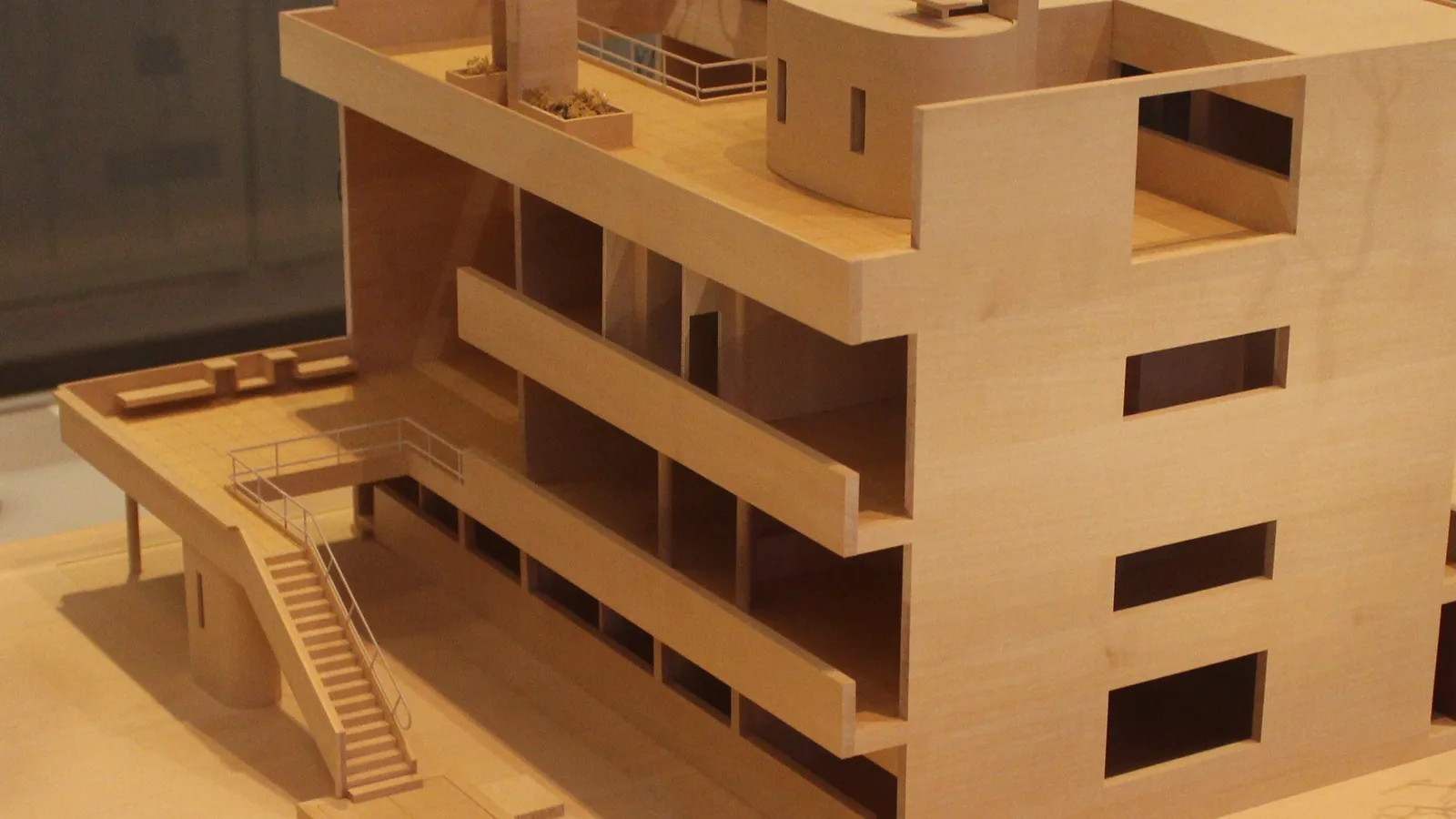 建築作品集怎麼選方向?主題 Driven、尺度 Scale、技術 Skills、目的 Goal 四個維度,怎麼組合成一個項目建筑作品集怎么选方向?主题 Driven、尺度 Scale、技术 Skills、目的 Goal 四个维度,怎么组合成一个项目How do you choose a direction for an architecture portfolio? Combining theme (Driven), scale, skills and goal into one project作品集不要先從「我有哪些好看的圖」倒過來排,而要先選定主題(Driven)、尺度(Scale)、技術(Skills)與目的(Goal),再組合成一個說得清楚的項目。本文依教學簡報〈作品集準備及選擇方向〉整理這四個維度,並說明簡報如何用一個項目示範組合方法。簡報中的學生案例只寫錄取學校與作品方向,不具名。作品集不要先从「我有哪些好看的图」倒过来排,而要先选定主题(Driven)、尺度(Scale)、技术(Skills)与目的(Goal),再组合成一个说得清楚的项目。本文依教学简报〈作品集准备及选择方向〉整理这四个维度,并说明简报如何用一个项目示范组合方法。简报中的学生案例只写录取学校与作品方向,不具名。Do not build a portfolio by lining up your best-looking drawings and working backwards. Choose a theme (Driven), a scale, the skills to make visible, and a goal, then combine them into a project you can explain. This article follows the teaching deck “Portfolio preparation and choosing a direction,” including the deck’s worked example of how to combine the four dimensions. Student cases are anonymous: only the schools listed on the slide and the direction of the work are given.
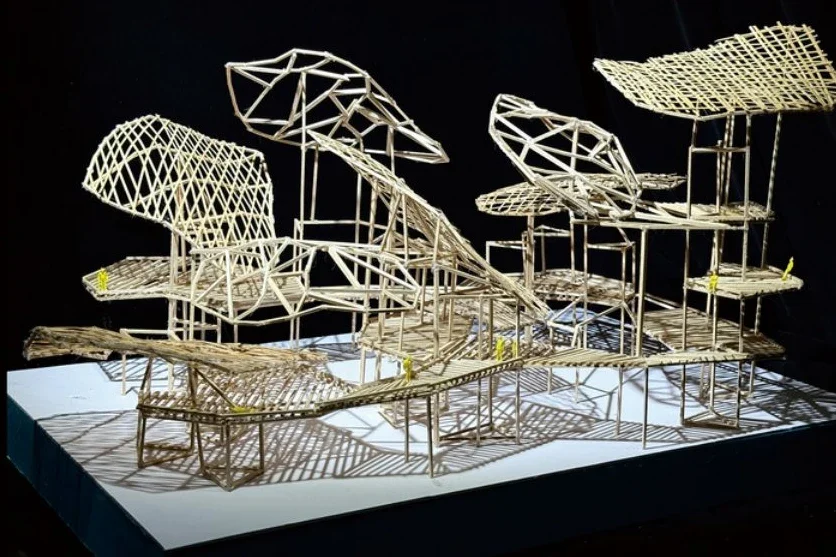 錄取卡內基美隆建築本科的作品集:她把橘子、身體、植物與記憶都搭成了空間(2026 年 10 月官方查核)录取卡内基美隆建筑本科的作品集:她把橘子、身体、植物与记忆都搭成了空间(2026 年 10 月官方查核)A Carnegie Mellon architecture portfolio: how one admitted student built oranges, the body, plants and memory into space (checked October 2026)一份錄取卡內基美隆(CMU)建築本科的作品集,如何對應官網列出的好奇心、空間推理、綜合能力與「動手製作的慾望」?拆解橘子涼亭、生長的支架、灰姑娘等作品,並對照 CMU 官網:10 件作品、經 SlideRoom 提交,ED 11 月 2 日、RD 1 月 8 日截止。一份录取卡内基美隆(CMU)建筑本科的作品集,如何对应官网列出的好奇心、空间推理、综合能力与「动手制作的欲望」?拆解橘子凉亭、生长的支架、灰姑娘等作品,并对照 CMU 官网:10 件作品、经 SlideRoom 提交,ED 11 月 2 日、RD 1 月 8 日截止。How does a portfolio admitted to Carnegie Mellon (CMU) undergraduate architecture meet the curiosity, spatial reasoning, ability to synthesize, and "desire to make" named on the official site? It unpacks the orange pavilion, A Scaffold of Growth, Cinderella, and other works, set against the CMU site: 10 works, submitted through SlideRoom, with Early Decision due November 2 and Regular Decision due January 8.
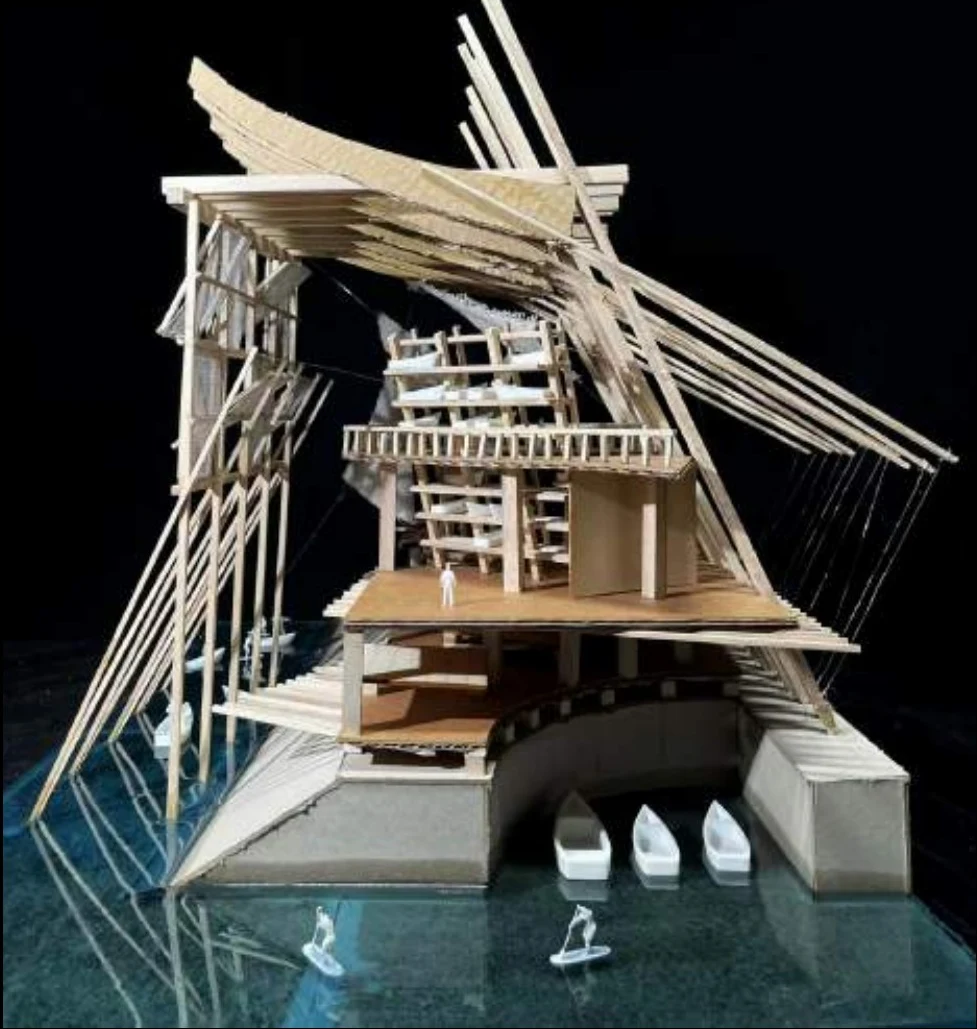 從帆船與海洋環保出發,RD 拿下康乃爾景觀建築:一本主線清楚的本科作品集怎麼做(2026 年 10 月官方查核)从帆船与海洋环保出发,RD 拿下康乃尔景观建筑:一本主线清楚的本科作品集怎么做(2026 年 10 月官方查核)From sailing to Cornell Landscape Architecture (BSLA): an ocean-themed undergraduate portfolio that won in RD (checked October 2026)ED 落空、劍橋 pool 後未獲錄取,他在 RD 補上一個帆船基地船屋項目,最後拿到康乃爾景觀建築(BSLA)、萊斯與卡內基美隆 B.Arch、UCL、港大 Design+、柏克萊等錄取。整理他以海洋環保為主線的作品集、活動與文書策略,並對照康乃爾官網:BSLA 屬 CALS、作品集 10–12 件且小於 20 MB。ED 落空、剑桥 pool 后未获录取,他在 RD 补上一个帆船基地船屋项目,最后拿到康乃尔景观建筑(BSLA)、莱斯与卡内基美隆 B.Arch、UCL、港大 Design+、柏克莱等录取。整理他以海洋环保为主线的作品集、活动与文书策略,并对照康乃尔官网:BSLA 属 CALS、作品集 10–12 件且小于 20 MB。After ED produced no offer and a Cambridge pool ended with no college place, he added a sailing-base boathouse project for RD and was admitted to Cornell Landscape Architecture (BSLA), Rice and Carnegie Mellon B.Arch, UCL, HKU Design+, UC Berkeley, and others. This post sets out his ocean-conservation portfolio, activities, and essay strategy against Cornell’s website: BSLA is in CALS, and the portfolio is 10–12 works under 20 MB.