Since 2017: 12,000+ hours of design teaching and design consultation · 370+ students · 1,800+ offers
Teaching Philosophy教學理念教学理念
A narrative-driven, research-by-design pedagogy that transforms social and spatial tensions into architectural arguments across scales, from object to territory.以敘事為驅動的「設計即研究」教學法:將社會與空間的張力轉譯為建築論證,從物件尺度延伸至城市地景。以叙事为驱动的「设计即研究」教学法:将社会与空间的张力转译为建筑论证,从对象尺度延伸至城市地景。
Design Theory & Pedagogy設計理論與教學方法设计理论与教学方法
Design Theory設計理論设计理论
Issue before formDesign begins with social and site contradictions (borders, ruins, ecology, memory, power) rather than with shape.議題先於形式設計從社會與基地的矛盾出發——邊界、廢墟、生態、記憶與權力——而不是從造型出發。议题先于形式设计从社会与基地的矛盾出发——边界、废墟、生态、记忆与权力——而不是从造型出发。
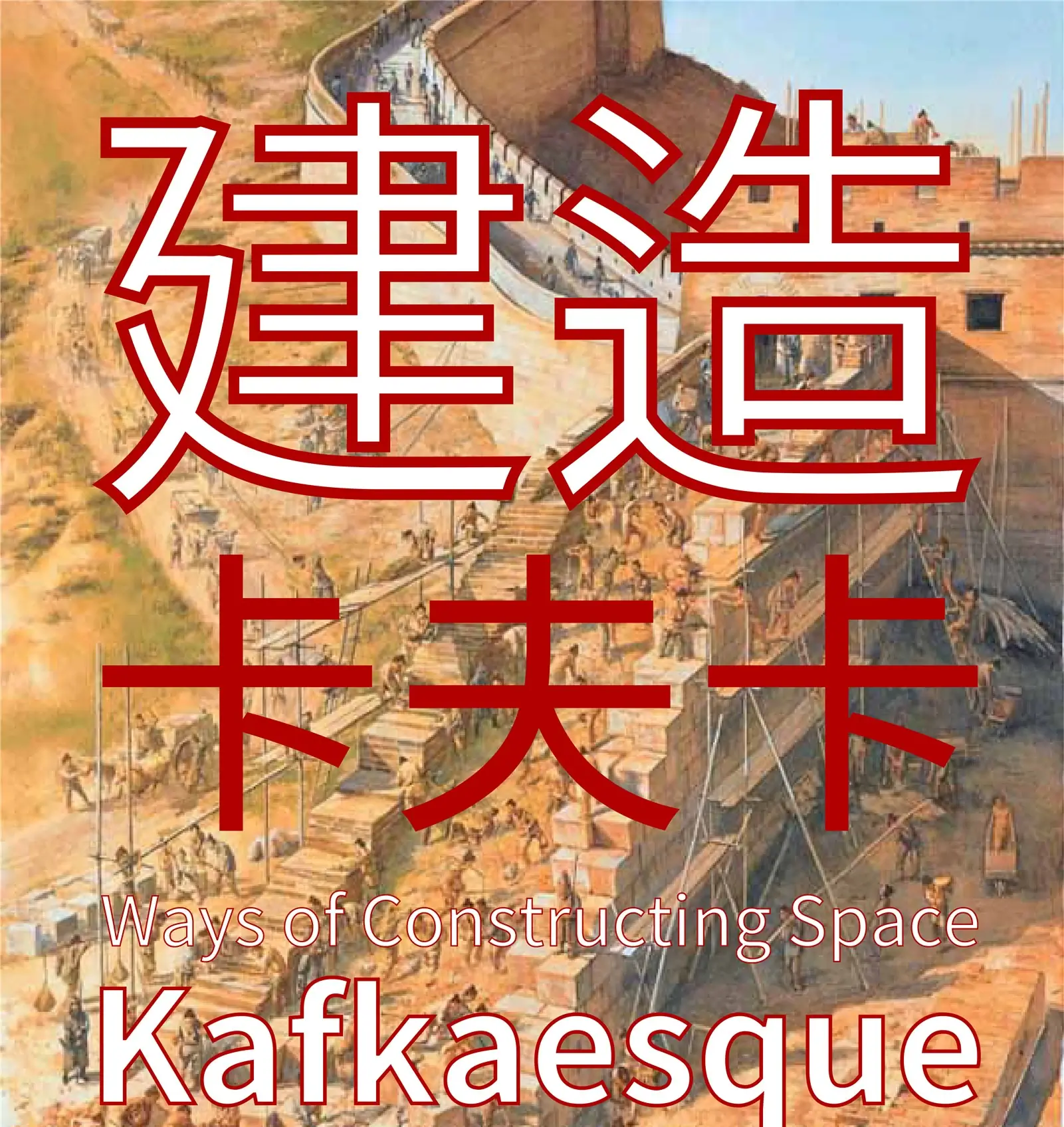
Spatial narratologySpace is read as a text. Theatre, film and literature serve as methods, and space is composed through sequence, event and bodily experience.空間敘事學空間是可被閱讀的文本;以劇場、電影與文學為方法,透過序列、事件與身體經驗組織空間。空间叙事学空间是可被阅读的文本;以剧场、电影与文学为方法,通过串行、事件与身体经验组织空间。
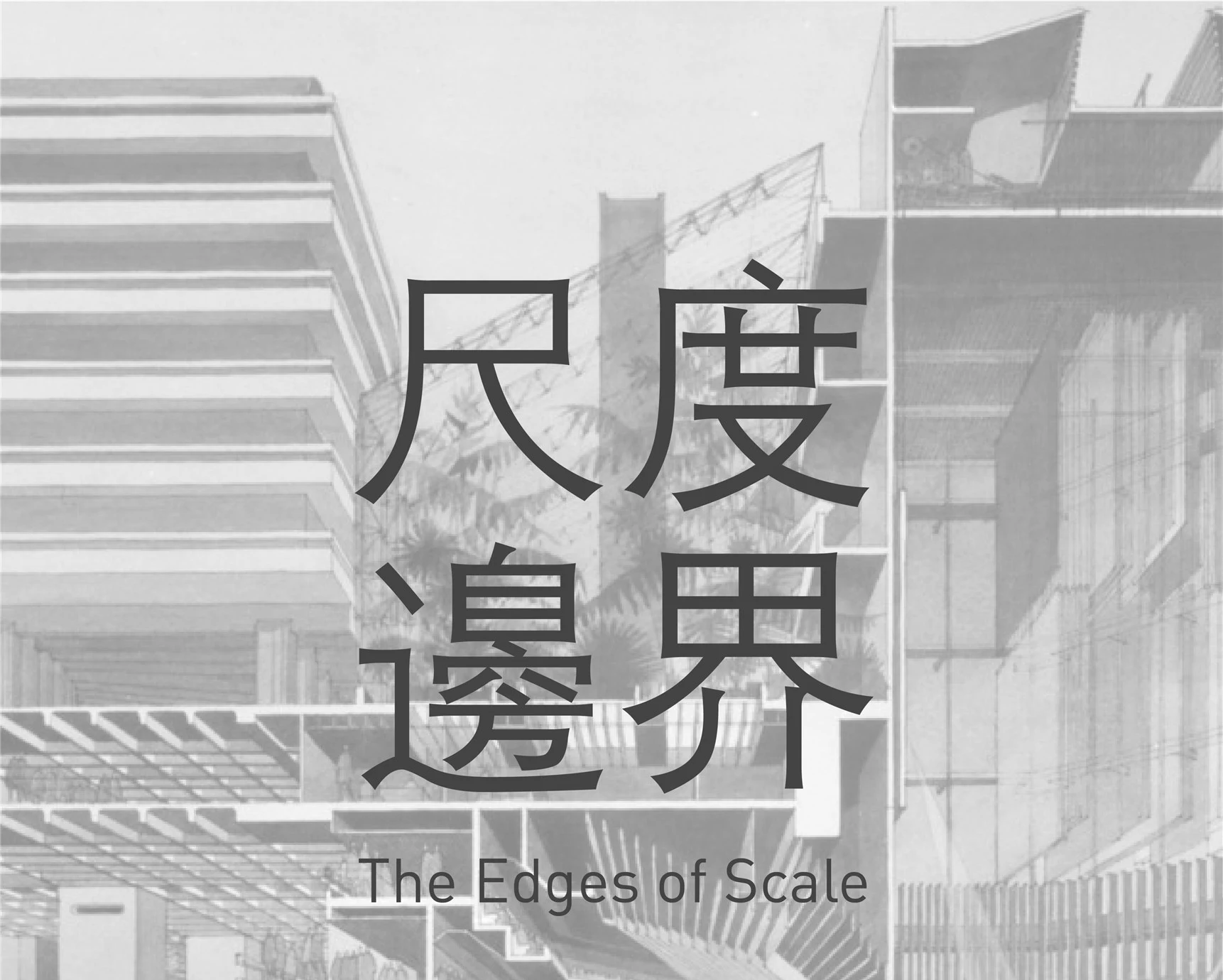
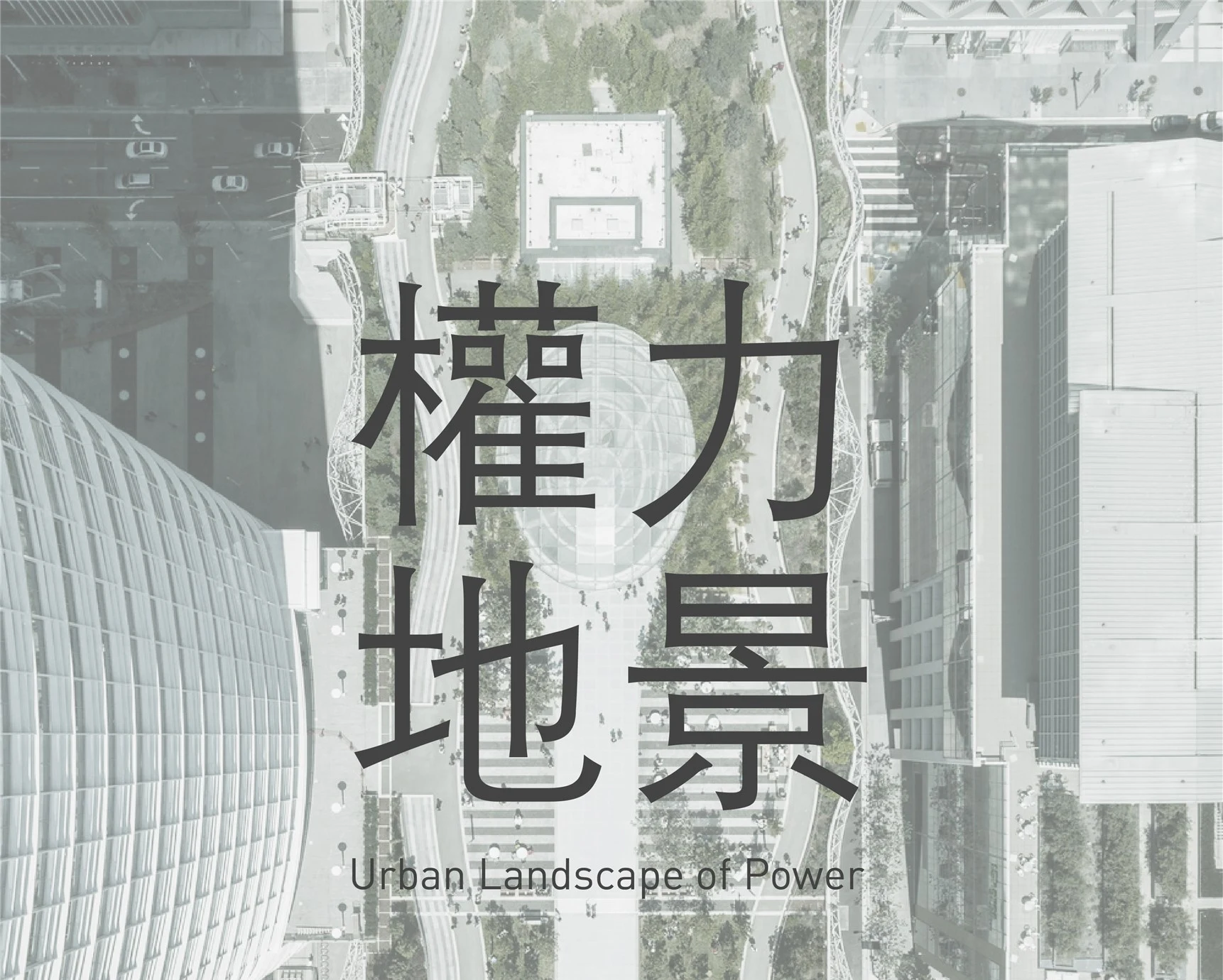
Trans-scalar thinkingA single design logic is tested from installation (S) to building (M), cluster (L) and urban landscape (XL).跨尺度思考同一套設計邏輯,從裝置(S)、單體建築(M)、建築群(L)一路檢驗到城市地景(XL)。跨尺度思考同一套设计逻辑,从装置(S)、单体建筑(M)、建筑群(L)一路检验到城市地景(XL)。
Disciplinary fluidityArchitecture, landscape, urbanism, interior design and scenography flow into one another, without hard borders.跨領域類型建築、地景、城市、室內與舞台設計彼此流動,沒有硬性邊界。跨领域类型建筑、地景、城市、室内与舞台设计彼此流动,没有硬性边界。
Pedagogy教學方法教学方法
Undergraduate: building a design languageWork begins at the scale of object, material and body, training observation, conceptual translation and formal operations such as folding, cutting and stacking.大學部:建立設計語言從物件、材料與身體尺度入手,訓練觀察、概念轉譯,以及折疊、切割、堆疊等形式操作。大学部:创建设计语言从对象、材料与身体尺度入手,训练观察、概念转译,以及折叠、切割、堆栈等形式操作。
Master's: research by designEach project takes a clear critical position. Diagrams and drawings act as research instruments, theory becomes a testable spatial strategy, and the portfolio reads as a thesis written in drawings.碩士:研究型設計建立清晰的批判立場;以圖解與圖面作為研究工具,將理論轉化為可檢驗的空間策略;作品集是一篇以圖面寫成的論文。硕士:研究型设计创建清晰的批判立场;以图解与图面作为研究工具,将理论转化为可检验的空间策略;作品集是一篇以图面写成的论文。
Socratic mentoringWhy comes before how. Authorship always stays with the student; the teacher acts as a mentor.蘇格拉底式引導先問「為什麼」,再問「怎麼做」;作品的作者始終是學生,教師的角色是導師(Mentor)。苏格拉底式引导先问「为什么」,再问「怎么做」;作品的作者始终是学生,教师的角色是导师(Mentor)。
Portfolio as argumentLayout narrative, graphic hierarchy and text are part of the design, so that a jury can follow the argument within minutes.作品集即論證版面敘事、圖面層級與文字都是設計的一部分,讓評審在幾分鐘內讀懂整個論證。作品集即论证版面叙事、图面层级与文本都是设计的一部分,让评审在几分钟内读懂整个论证。
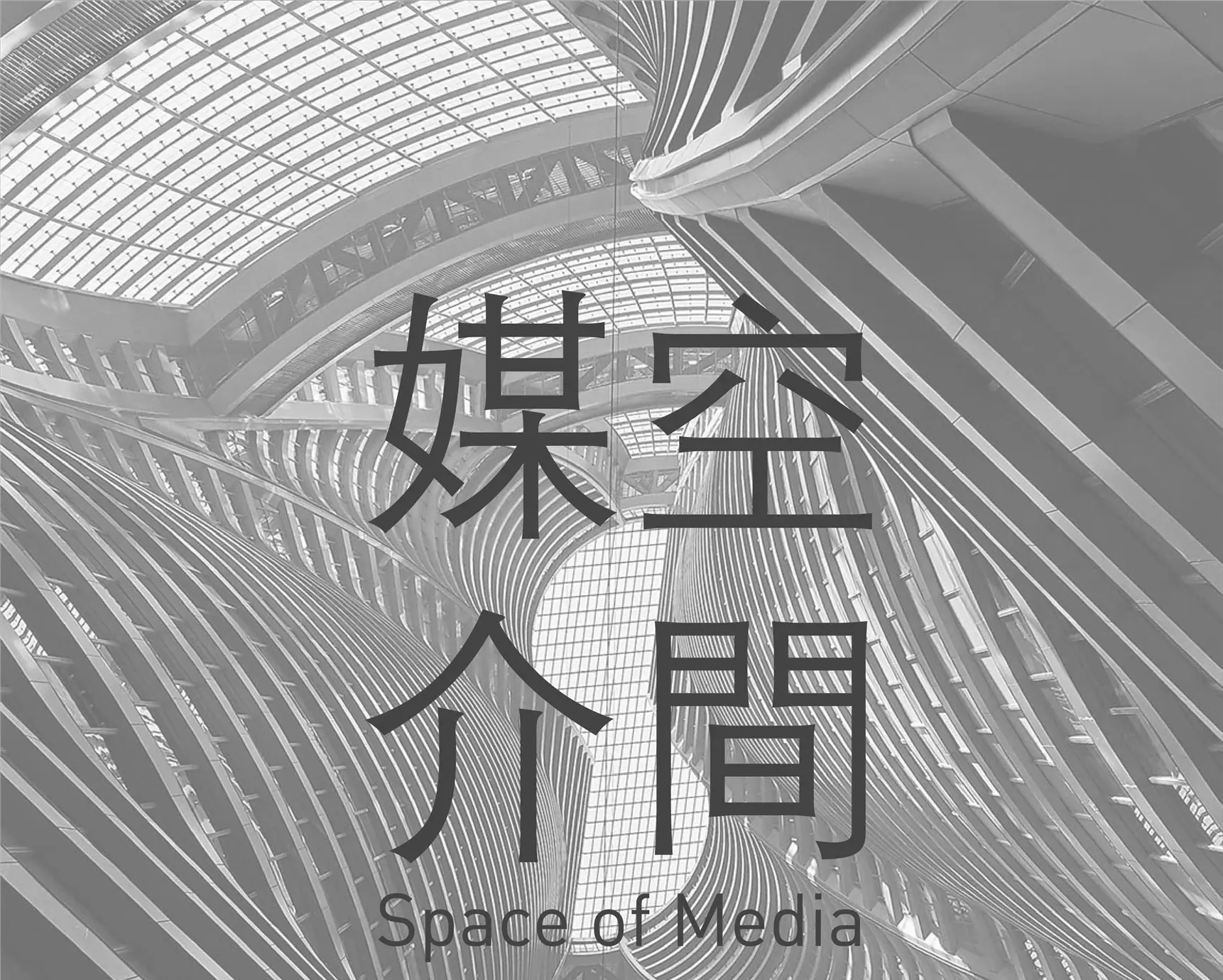 空間媒介Space of Media
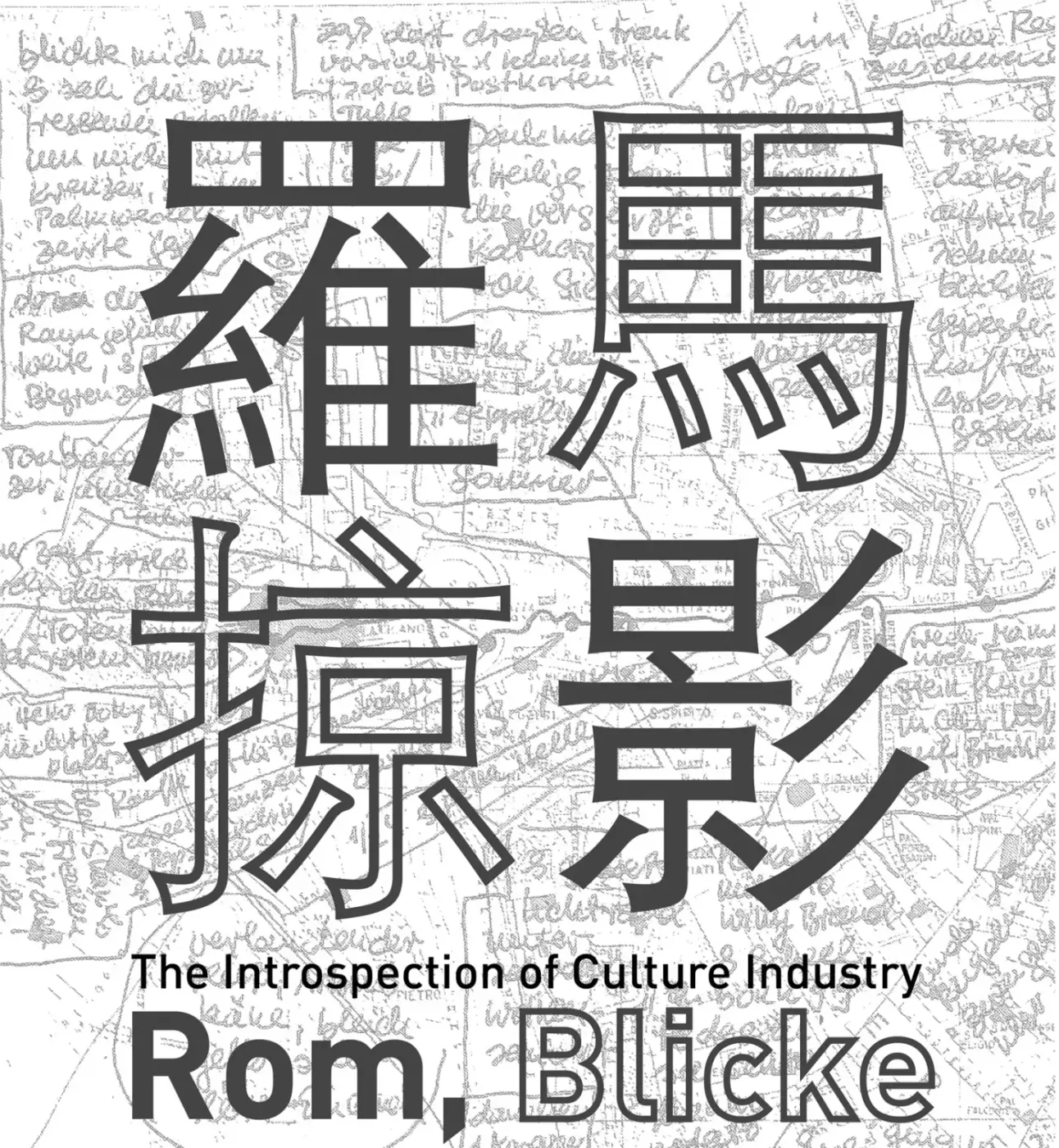 羅馬掠影Rom, Blicke — The Introspection of Culture Industry