杜蘭大學建築碩士 Tulane M.Arch 怎麼申請?3.5 年/Advanced Standing 兩條路、STEM OPT、1 月 15 日截止、作品集與學費(2026 年 11 月官網查核)杜兰大学建筑硕士 Tulane M.Arch 怎么申请?3.5 年/Advanced Standing 两条路、STEM OPT、1 月 15 日截止、作品集与学费(2026 年 11 月官网查核)How to apply to the Tulane University Master of Architecture (M.Arch): the 3.5-year and advanced-standing paths, STEM OPT, the 15 January deadline, the portfolio and costs (checked November 2026)
用微信掃描這張 QR code 即可分享。用微信扫描这张 QR code 即可分享。Scan this QR code with WeChat to share.
掃描或下載這張 QR code。扫描或下载这张 QR code。Scan or download this QR code.

結論先講:杜蘭大學(Tulane University,位於紐奧良)建築學院的 Master of Architecture(M.Arch)是 NAAB 認證的專業學位;官網註明它歸在 CIP 代碼 04.0902,畢業的國際學生可以申請 STEM OPT 延長。任何科系的學士都能申請 3.5 年制:7 個學期(從暑期學期開始)、111 學分;有建築 pre-professional 學士的人改申請 Advanced Standing,官網寫 2 到 3 年,學程頁寫最多可抵 40 學分(認證頁另寫 2 年路徑要修 64–65 學分,兩頁寫法不同,見內文)。截止日官網只寫月日、沒有印年份:12 月 1 日提前申請、1 月 15 日一般截止(2026 年 12 月 1 日 與 2027 年 1 月 15 日 是本文針對 2027 年入學的推算,不是學校印出的年份,送出前請再確認),2 月中前放榜。要交線上申請表、作品集、1,000 個英文單字以內的 Statement of Interest、正式成績單、3 封推薦信與履歷;國際學生另交 TOEFL、IELTS 或 Duolingo 成績。2026–2027 學年學費 US$64,372(秋+春,官網公布費率),四項必繳雜費是每學期收,生活費是官網估算;國際學生一般須加保學校的 T-SHIP 健康保險(2026–2027 全學年保費 US$4,347,不在學院費用表內);2027 年暑期與 2027–2028 學年的費率尚未公布:尚缺。申請費、是否要交 GRE、作品集的頁數與大小上限,官網查不到:尚缺。(以上皆為 2026-11-22 台北時間官網查核)
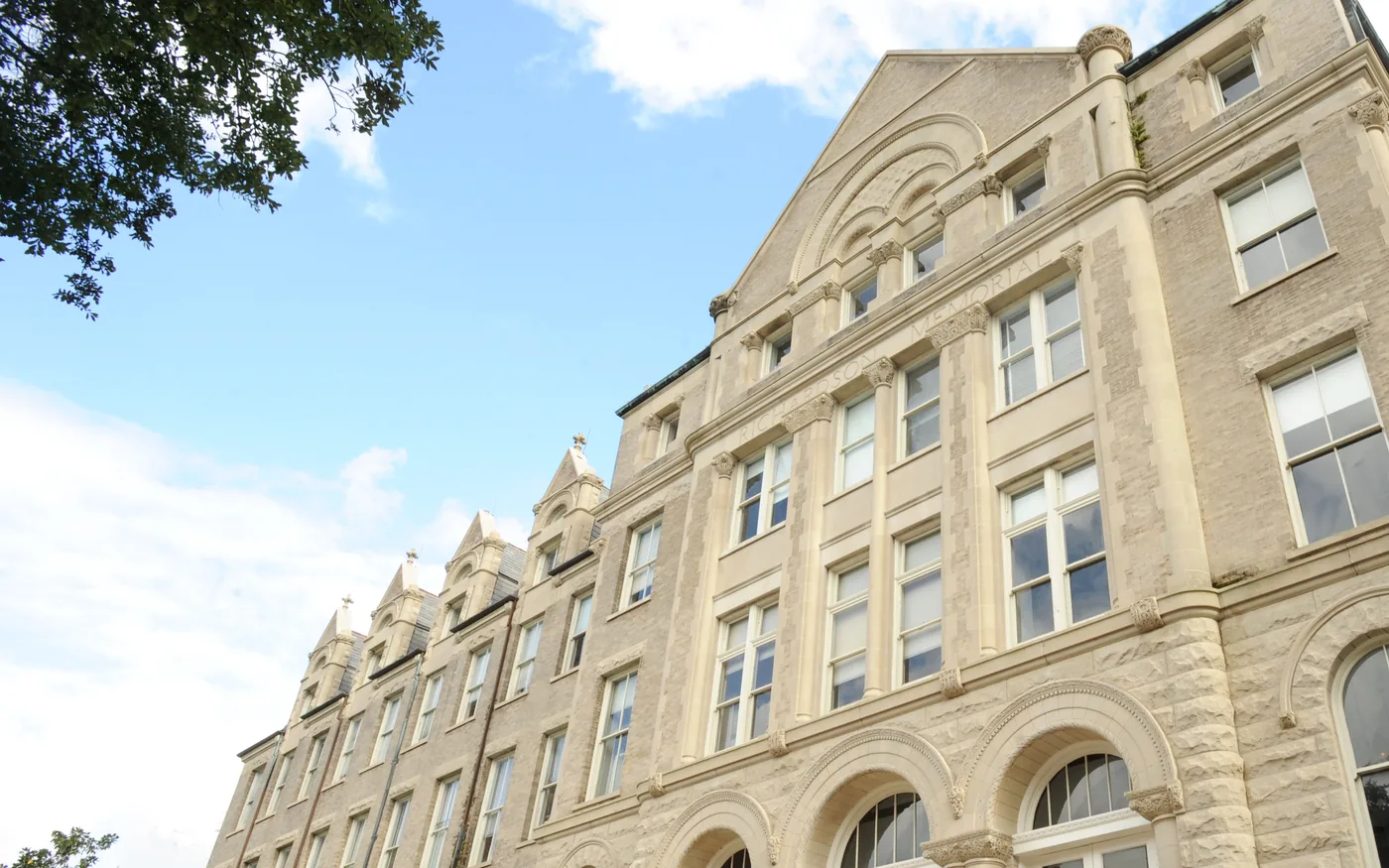
這篇延續美國 M.Arch 系列,系列裡已有 Rice、UT Austin、WashU 等學校。每個數字都附官網與查核日期;官網查不到的就寫「尚缺」。學院目前的全名是 Tulane School of Architecture and Built Environment(沿革頁:2025 年館舍重新啟用時改用的新名稱)。封面是學院所在的 Richardson Memorial Hall,2019 年拍攝,早於整修完成,非學生作品。圖片來源:Wikimedia Commons(Richardson Memorial, Tulane University.jpg,EEJCC,CC BY-SA 4.0;裁切、縮圖)
杜蘭大學 M.Arch 有哪兩條路?各要讀多久?
| 路徑 | 申請資格 | 學分 | 修業時間 |
|---|---|---|---|
| M.Arch 3.5 年制 | 任何科系的學士;不需要先讀過建築 | 111 | 7 個學期:先上暑期入門學期,接著 4 個學期基礎必修,最後 2 個學期以選修為主 |
| M.Arch Advanced Standing | 建築 pre-professional 學士(例如 B.S. in Architecture)等已受過相當建築教育的人 | 依抵免結果而定:學程頁寫最多抵 40 學分;認證頁寫 2 年路徑要修 64–65 學分(兩頁寫法不同) | 學程頁標題寫「2 to 3 Year Option」,內文另稱 two-year advanced standing option;Guide 寫可能縮短為 2 到 3 年 |
- 學位定位:NAAB 認證、可銜接美國建築師執照的專業學位(M.Arch 學程頁,2026-11-22 查核)。認證頁寫 M.Arch 於 1994 年取得 candidacy,最近一次訪評在 2023 年,下次訪評在 2031 年。
- 111 學分怎麼排:官方建議修課表是暑期 15 學分,第一年 15+16,第二年 16+16,第三年 18+15,表上合計 111 學分(Suggested Plan of Study)。
- 最後一年二選一:論文路線(Thesis Research 3 學分、Independent Thesis Research 3 學分、Thesis Studio 6 學分)或非論文路線(Advanced Studio 6 學分加兩門選修共 6 學分),兩種都是 12 學分(課程目錄 2026–2027)。
- 畢業門檻:至少 111 學分,累計 GPA 3.000(同上,課程目錄)。
- 五個研究方向:氣候變遷、都市生態與公共空間(河川與海岸都市);數位製造與 Advanced Ecologies;可負擔住宅;Design Build;歷史脈絡中的當代建築(舊建築再利用)(M.Arch 學程頁)。
- Research Studios:每個研究型設計課會針對同一個主題、地點或現象連做三年,逐輪加深,並以做出書、專文、研討會或展覽等成果為目標;學生在學期間可以選幾個這樣的設計課(Research Studios 頁)。
- 實習:官方修課表強烈鼓勵實習;研究生在整個學程中可以用實習選修拿 3 學分,可抵一門必修的選修,但不能抵歷史理論選修(Suggested Plan of Study)。
- 雙學位:M.Arch 加歷史保存碩士(MSHP)共 153 學分,可在 9 個學期修完;M.Arch 加永續不動產開發碩士(MSRED)共 135 學分,可在 8 個學期修完(課程目錄學院頁)。
大學讀建築,可以抵多少學分?
Advanced Standing 是給已有 pre-professional 建築學士(例如 B.S. in Architecture)的人。學程頁寫,研究所招生委員會每年會審所有 M.Arch 申請,依作品集與成績單評估,最多給 40 學分的 Advanced Standing;多數情況下會請你提供修過課程的課程大綱來比對。申請時要另外填「Master of Architecture (Advanced Standing)」這份申請表,抵免結果會在錄取通知時一起告訴你(M.Arch 學程頁、Architecture Guide to Apply)。
學校同時規定至少一半學分要在杜蘭修,學程頁換算為 111 學分中的 56 學分。可能抵免的課包括前四門設計課(各 6 學分)、建築導論、歷史理論、基地策略、材料與構法、建築氣候與舒適、結構系統等;課程目錄補充,拿到 Advanced Standing 的學生通常抵掉 5 門技術課中的 3 門,Integrated Building Systems 這門不能抵,而且第一年秋季要修 Architectural Research Methods(課程目錄 2026–2027)。
兩頁寫法不同,請留意:學程頁寫「最多可抵 40 學分」「2 到 3 年」,認證頁則寫 2 年的 Advanced Standing 路徑要修 64–65 學分,並註明課表可能依學程主任給的抵免程度而不同。本文把兩種寫法並列、不自行調和;你實際要修幾學分、讀幾年,以錄取通知上的抵免結果為準。認證頁也寫到,這條路的對象包含已在本國拿到建築最終學位(terminal degree)、想在美國與加拿大取得執照的國際學生。
Tulane M.Arch 是 STEM 嗎?國際學生畢業後可以留多久?
官網寫,自 2019 年秋季起,杜蘭的 B.Arch、M.Arch 與 M.S.Arc 歸在 Architectural and Building Sciences/Technology(CIP 代碼 04.0902);因此拿到這些學位的國際學生可以申請美國公民及移民服務局(USCIS)的 STEM OPT 延長,官網的寫法是畢業後最長可留在美國 36 個月,在建築領域累積實務訓練(M.Arch 學程頁、國際學生招生頁,2026-11-22 查核)。細節官網請你看學校國際學生辦公室(OISS)的 STEM OPT Extension 說明,或直接洽 OISS。
2027 年入學要交什麼?截止日是哪天?
| 項目 | 官網要求(2026-11-22 查核) |
|---|---|
| 開放申請 | 9 月 1 日|研究所招生頁 |
| 提前申請(Early Admission) | 12 月 1 日;想在 12 月中前拿到結果的人用這個截止日 |
| 一般截止(Regular Decision) | 1 月 15 日,是所有研究所申請的截止日;2 月中前公布結果 |
| 確認入學 | 4 月 15 日 |
| 年份 | 以上四個日期官網都沒有印年份。對 2027 年入學,本文推算為 2026 年 12 月 1 日、2027 年 1 月 15 日、2027 年 4 月 15 日,這是推算、不是學校印出的年份,請再確認 |
| 申請方式 | 在杜蘭的 Graduate & Professional Admissions Portal 線上申請;研究所招生由學院自行辦理|學院招生頁 |
| 申請清單 | 線上申請表、作品集、Statement of Interest、正式成績單、3 封推薦信、履歷(Resume 或 CV),共 6 項|Architecture Guide to Apply |
| Statement of Interest | 1,000 個英文單字以內。3.5 年制回答 4 題:為什麼想在杜蘭讀建築、畢業後想完成什麼、建成環境中最啟發你的是什麼、你遇過的一個阻礙以及因此養成的特質或能力。Advanced Standing 回答 3 題,第一題改為說明你對五個研究方向之一的興趣 |
| 成績單 | 正式成績單,由原學校直接寄給學院(電子郵件或郵寄) |
| 推薦信 | 3 封,來自熟悉你近期學業、工作或創作的人;還在讀大學或剛畢業的人,至少 1 封來自教過你的教授 |
| 英文(國際學生) | TOEFL、IELTS 或 Duolingo(DET)三選一,須在申請截止日前兩年內考、截止日前送達。最低分數:TOEFL iBT 5(2026 年 1 月之後的考試;官網只寫 5;依 ETS 說明,TOEFL iBT 成績單自 2026 年 1 月 21 日起改用 1–6 分新量尺)或 90(2026 年 1 月之前的考試);IELTS 總分 7.0;DET 130。在英語授課學校讀滿一年以上可免交|國際學生招生頁 |
| GRE | Guide 的 6 項清單沒有列 GRE,學院頁面沒有明寫要不要交:尚缺。杜蘭大學研究所總招生頁把標準化測驗列為「部分學程」的要求,並寫各學程要求不同、許多研究所申請者須考 GRE General Test,要申請者先看自己學程的規定;該頁沒有寫 M.Arch 要不要交 |
| 申請費 | 學院招生頁與 Guide 都沒有寫金額:尚缺,以申請系統顯示為準。大學總招生頁只寫「部分學程」收申請費,沒有金額 |
| 入學 GPA 門檻 | 尚缺(課程目錄只寫在學研究生應維持累計 GPA 3.0) |
提醒一點:3.5 年制從暑期學期開始上課,所以實際開學比秋季早;2027 年暑期學期的確切開學日,官網這幾頁沒有寫:尚缺。
Tulane M.Arch 作品集怎麼準備?
- 比重:Guide 直接寫,M.Arch 的選才很看重作品集(Architecture Guide to Apply,2026-11-22 查核)。
- 可以放什麼:藝術創作的翻拍照片,例如速寫、繪畫、雕塑;也可以放寫作樣本,例如散文、詩或已發表的文章(同上)。
- 有建築背景的人:優先放大學時期或工作上的作品(同上)。
- 申請 Advanced Standing 的人:作品集同時是抵免學分的依據,委員會會連同成績單一起評估,多數情況下還會要你提供課程大綱(M.Arch 學程頁)。
- 頁數、大小與上傳格式:Guide 與招生頁都沒有寫:尚缺,以申請系統顯示為準。
依我在 12,000+ 小時設計教學與設計諮詢中的觀察,官網把速寫、繪畫、雕塑和寫作都列為可以放的內容,代表大學不是讀建築的人不必硬湊建築圖;與其放很多件,不如挑少數幾件,把你怎麼觀察、怎麼動手做、怎麼修改交代清楚。有建築背景的人則要記得,這份作品集還會被用來判斷設計課能抵多少,所以每個設計課作品是哪一門課、哪個學期做的,以及小組作品裡你負責哪一部分,都值得標清楚。
Tulane M.Arch 學費多少?有獎學金嗎?
| 2026–2027 學年(全職) | 金額(US$) |
|---|---|
| 學費(秋+春兩學期,官網公布費率) | 64,372 |
| 第一個暑期學期(表上寫 Initial Summer Session,If Required) | 32,186 |
| 住宿與餐食(估算) | 秋+春 16,274;暑期 5,424 |
| 書籍與用品(估算) | 秋+春 1,500;暑期 500 |
| 交通(估算) | 秋+春 1,253;暑期 417 |
| 必繳雜費(每學期) | Academic Support Fee 1,400;Student Activity Fee 160;Recreation Center Fee 260;Campus Health Fee 437。依 Student Accounts 2026–2027 學雜費表,這四項是每學期收(全職 12 學分以上的金額;2026-11-22 查核);暑期不收 University Fees(學院費用表) |
以上出自學院的 Architecture Cost of Attendance(由獎學金與財務援助頁提供,2026-11-22 查核)。表上註明只有學費是公布費率,其餘都是估算;表上沒有印整張表的合計;以下雜費的秋+春合計為本文計算;全學程總花費:尚缺。
雜費是每學期收,不是每學年:學院這張費用表只列四項雜費的金額,沒有標期間;Student Accounts 的 Fall 2026 & Spring 2027 Graduate Tuition and Fees(2026 年 3 月 20 日版,2026-11-22 查核)寫「these rates apply to all registered credit hours in the semester」,學費每學期上限 32,186,Academic Support Service Fee 每學期上限 1,400,Student Activity Fee、Recreation Center Fee、Campus Health Fee 是 12 學分以上的每學期金額,表上「Sample @ 12 hours」每學期 34,443。上表的學費與生活費是秋+春的學年數字,所以秋+春的雜費是 2,257 × 2 學期=4,514(本文計算);把四項當成學年金額會少算 2,257。未滿 12 學分時,Student Activity Fee 是 106,Campus Health 與 Recreation Center 兩項不會自動收,要使用時才收。同一張表也寫,Campus Health Fee「is not a health insurance premium」,不是健康保險的保費。
國際學生健康保險(T-SHIP)不在學院費用表內:同一張 Student Accounts 學雜費表寫學位生必須有足夠的醫療保險,並寫「All non-US citizens and permanent resident students will be enrolled in T-SHIP」,表列費用不含保費。Campus Health 的國際學生頁寫國際學生須購買學校的 T-SHIP,沒有一般的 waiver(申請不加保)選項;只有已投保美國的團體健康保險(例如美國雇主提供、符合 ACA 的團體保險),而且該保險符合學校標準時,才可以個案申請豁免;官網寫所有申請都會審,但不保證通過,結果由 Campus Health 的保險與加保辦公室決定(國際學生保險豁免頁)。T-SHIP 頁公布的 2026–2027 全學年保費是 US$4,347(billed in two installments of $2173.50,分兩期收),適用秋季入學新生與在學生,保期 2026 年 8 月 10 日到 2027 年 8 月 9 日(2026-11-22 查核)。這是 2026–2027 的公布保費,不一定是 2027 年暑期入學者要繳的金額。同一張保費表另有一列 Spring/Summer 2027,保費 US$2,632,保期 2027 年 1 月 1 日到 2027 年 8 月 9 日,但對象是春季學期入學的新生(For new students arriving in Spring semester),不是暑期入學(2026-11-23 查核);3.5 年制從暑期開始,不要把 2,632 當成暑期入學的保費。T-SHIP 頁沒有列 2027 年暑期入學的保費,2027–2028 學年的保費也還沒公布:尚缺。
2027 年入學適用的費率還沒公布:以上學費、雜費與保費都是 2026–2027 學年的數字。Student Accounts 學雜費表寫「Tuition and fee rates are updated annually with each new Fall semester」;3.5 年制從 2027 年暑期開始上課,實際會按 2027 年暑期與 2027–2028 學年的費率收費,這些到 2026-11-22 都尚未公布:尚缺。上面的數字只適合拿來估算。
財務處另有一張不同年度的費用表:財務處的建築研究所費用頁(頁尾寫 2026 年 11 月 10 日更新)目前掛的是 2025–2026 ARCH Cost of Attendance:Resident 欄(按每學期 12 學分)列學雜費 68,778、住宿 11,840、餐食 6,882、書籍與用品 1,500、交通 2,918、健康保險 4,150、雜支 2,164、貸款手續費 216,合計 98,448(2026-11-22 查核)。這張是 2025–2026 學年,學費與雜費合成一項、也含健康保險;上面學院的 2026–2027 費用表把學費與四項雜費分開列(US$64,372 只是學費,不含雜費與保險),也沒有合計。兩張不是互相矛盾,而是不同年度、不同範圍,數字不要混在一起加。98,448 是財務處 2025–2026 單一學年的標準估算,不是 2026–2027 的數字,也不是全學程總花費;那張表的健康保險 4,150 也是 2025–2026 的數字,不是 2026–2027 的 T-SHIP 保費。全學程總花費:尚缺。
- 拿到資助的比例:官網寫超過 92% 的研究生拿到財務支援;費用表另寫平均獎學金 US$30K–50K(獎學金與財務援助頁、Cost of Attendance)。
- Merit Scholarships:所有申請者自動列入考慮,依學業成績、經歷與作品集評定;官網寫多數申請者會拿到,金額是學費的 25% 到 75%(獎學金與財務援助頁);Guide 的寫法則是由招生委員會以競爭方式評定。個人金額怎麼算、何時通知,官網沒有寫:尚缺。
- Full-Tuition Fellowship:最多給 3 位 M.Arch 申請者,對象是在研究、製造與創新上表現突出的人,內容是全額學費、一份助理職與生活津貼(同上)。
- 助教與研究助理:入學後每學期初可以申請,通常每週工作 10 到 15 小時,每學期最多可領 US$3,000(同上)。
- Travel Fellowships:學院每年合計撥 US$40,000 到 50,000,支持多位研究生與大學部學生做實地研究旅行,通常在暑假(同上)。
- FAFSA:官網請美國申請者(U.S. applicants;Guide 的寫法是 domestic students)填 FAFSA;國際申請者的援助,官網另外連到財務處的 international student aid 頁(同上)。
在哪裡上課?2027 年會有什麼新空間?
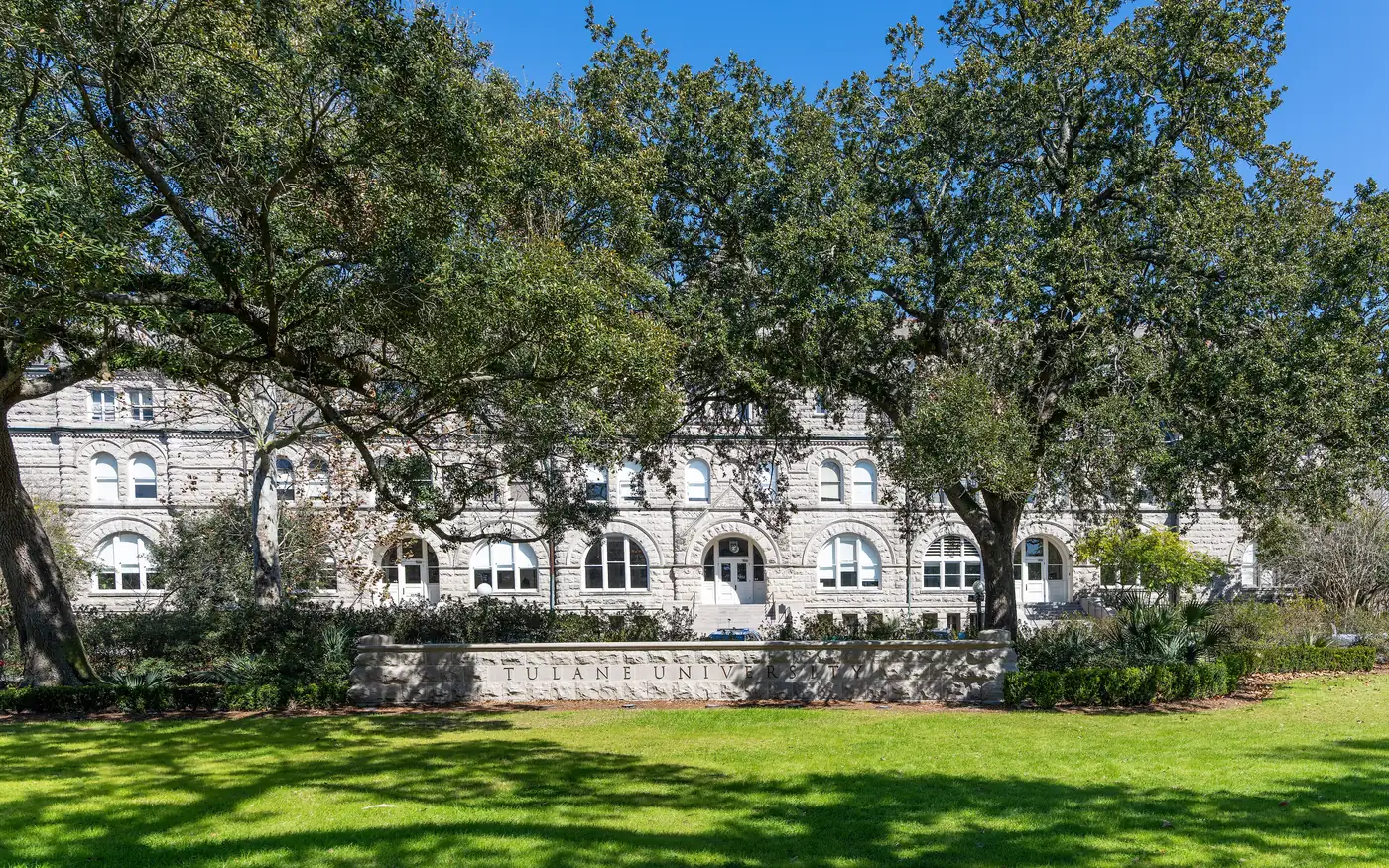
學院設在上城校區的 Richardson Memorial Hall(RMH)。官網說它在校區靠 St. Charles Avenue 的一側,1907 年設計,原本為醫學院而建,是一棟 5 層的磚與石灰岩建築;2021 年秋季到 2025 年春季做了全面整修與擴建。館舍頁寫,2 到 5 樓的大空間當設計教室,建築、景觀與歷史保存的設計課學生每學期都有自己的座位,設計教室每天開放 20 小時;整修後新增了展覽用的 Gallery,並把類比與數位的製造工坊集中在一起(Richardson Memorial Hall 頁,2026-11-22 查核)。
另一個和 2027 年入學有關的消息是 Graduate Hub:學院要把 Central City 街區 1833 Polymnia St. 的歷史建築改造成 24,000 平方英尺的研究生教學空間,內有活動空間、學生休息區、協作工作區與製造設備。官網寫預計 2026 年秋季動工、2027 年秋季啟用,並強調這是補充、不是取代上城校區(Graduate Hub 頁)。
對 2027 年入學的人,這一點要特別看:Graduate Hub 頁寫,建築、歷史保存、景觀建築與工程這幾個研究所學位的課與設計課,之後會在 Graduate Hub 上,大學部的課與設計課留在 Richardson Memorial Hall;同一頁也說排課細節仍在確認中,學校會再通知在學與即將入學的學生。交通方面,學校正與大學安排自 2027 年秋季起到 Graduate Hub 的交通接駁,另寫 St. Charles 路面電車有一站在 500 英尺內。上面這些都是預定安排,實際在哪裡上課、何時啟用,請以學校公告為準。
Tulane M.Arch 適合哪些人?
從官網條件來看,比較適合三種人:一是大學不是讀建築、想拿 NAAB 專業學位的人,3.5 年制明寫不需要建築背景;二是對氣候變遷與河川海岸都市、可負擔住宅、Design Build 或舊建築再利用有興趣的人,這些正是學程列出的研究方向,學程頁也提到 design-build 項目以及與在地非營利組織合作的設計,費用表與課程目錄則點名 URBANbuild 和 Small Center 這兩個管道;三是需要 STEM OPT 延長的國際學生(M.Arch 學程頁、Cost of Attendance、課程目錄學院頁)。要留意的是,3.5 年制從暑期學期開始,而費用表另列一筆「Initial Summer Session (If Required)」US$32,186(2026–2027 費率)。
截止日、費用與英文門檻每年可能調整,送出前請以官網研究所招生頁為準。
结论先讲:杜兰大学(Tulane University,位于纽奥良)建筑学院的 Master of Architecture(M.Arch)是 NAAB 认证的专业学位;官网注明它归在 CIP 代码 04.0902,毕业的国际学生可以申请 STEM OPT 延长。任何科系的学士都能申请 3.5 年制:7 个学期(从暑期学期开始)、111 学分;有建筑 pre-professional 学士的人改申请 Advanced Standing,官网写 2 到 3 年,学程页写最多可抵 40 学分(认证页另写 2 年路径要修 64–65 学分,两页写法不同,见内文)。截止日官网只写月日、没有印年份:12 月 1 日提前申请、1 月 15 日一般截止(2026 年 12 月 1 日 与 2027 年 1 月 15 日 是本文针对 2027 年入学的推算,不是学校印出的年份,送出前请再确认),2 月中前放榜。要交在线申请表、作品集、1,000 个英文单字以内的 Statement of Interest、正式成绩单、3 封推荐信与履历;国际学生另交 TOEFL、IELTS 或 Duolingo 成绩。2026–2027 学年学费 US$64,372(秋+春,官网公布费率),四项必缴杂费是每学期收,生活费是官网估算;国际学生一般须加保学校的 T-SHIP 健康保险(2026–2027 全学年保费 US$4,347,不在学院费用表内);2027 年暑期与 2027–2028 学年的费率尚未公布:尚缺。申请费、是否要交 GRE、作品集的页数与大小上限,官网查不到:尚缺。(以上皆为 2026-11-22 台北时间官网查核)
这篇延续美国 M.Arch 系列,系列里已有 Rice、UT Austin、WashU 等学校。每个数字都附官网与查核日期;官网查不到的就写「尚缺」。学院目前的全名是 Tulane School of Architecture and Built Environment(沿革页:2025 年馆舍重新激活时改用的新名称)。封面是学院所在的 Richardson Memorial Hall,2019 年拍摄,早于整修完成,非学生作品。图片来源:Wikimedia Commons(Richardson Memorial, Tulane University.jpg,EEJCC,CC BY-SA 4.0;裁切、缩略图)
杜兰大学 M.Arch 有哪两条路?各要读多久?
| 路径 | 申请资格 | 学分 | 修业时间 |
|---|---|---|---|
| M.Arch 3.5 年制 | 任何科系的学士;不需要先读过建筑 | 111 | 7 个学期:先上暑期入门学期,接着 4 个学期基础必修,最后 2 个学期以选修为主 |
| M.Arch Advanced Standing | 建筑 pre-professional 学士(例如 B.S. in Architecture)等已受过相当建筑教育的人 | 依抵免结果而定:学程页写最多抵 40 学分;认证页写 2 年路径要修 64–65 学分(两页写法不同) | 学程页标题写「2 to 3 Year Option」,内文另称 two-year advanced standing option;Guide 写可能缩短为 2 到 3 年 |
- 学位定位:NAAB 认证、可衔接美国建筑师执照的专业学位(M.Arch 学程页,2026-11-22 查核)。认证页写 M.Arch 于 1994 年取得 candidacy,最近一次访评在 2023 年,下次访评在 2031 年。
- 111 学分怎么排:官方建议修课表是暑期 15 学分,第一年 15+16,第二年 16+16,第三年 18+15,表上合计 111 学分(Suggested Plan of Study)。
- 最后一年二选一:论文路线(Thesis Research 3 学分、Independent Thesis Research 3 学分、Thesis Studio 6 学分)或非论文路线(Advanced Studio 6 学分加两门选修共 6 学分),两种都是 12 学分(课程目录 2026–2027)。
- 毕业门槛:至少 111 学分,累计 GPA 3.000(同上,课程目录)。
- 五个研究方向:气候变迁、都市生态与公共空间(河川与海岸都市);数字制造与 Advanced Ecologies;可负担住宅;Design Build;历史脉络中的当代建筑(旧建筑再利用)(M.Arch 学程页)。
- Research Studios:每个研究型设计课会针对同一个主题、地点或现象连做三年,逐轮加深,并以做出书、专文、研讨会或展览等成果为目标;学生在学期间可以选几个这样的设计课(Research Studios 页)。
- 实习:官方修课表强烈鼓励实习;研究生在整个学程中可以用实习选修拿 3 学分,可抵一门必修的选修,但不能抵历史理论选修(Suggested Plan of Study)。
- 双学位:M.Arch 加历史保存硕士(MSHP)共 153 学分,可在 9 个学期修完;M.Arch 加永续不动产开发硕士(MSRED)共 135 学分,可在 8 个学期修完(课程目录学院页)。
大学读建筑,可以抵多少学分?
Advanced Standing 是给已有 pre-professional 建筑学士(例如 B.S. in Architecture)的人。学程页写,研究所招生委员会每年会审所有 M.Arch 申请,依作品集与成绩单评估,最多给 40 学分的 Advanced Standing;多数情况下会请你提供修过课程的课程大纲来比对。申请时要另外填「Master of Architecture (Advanced Standing)」这份申请表,抵免结果会在录取通知时一起告诉你(M.Arch 学程页、Architecture Guide to Apply)。
学校同时规定至少一半学分要在杜兰修,学程页换算为 111 学分中的 56 学分。可能抵免的课包括前四门设计课(各 6 学分)、建筑导论、历史理论、基地策略、材料与构法、建筑气候与舒适、结构系统等;课程目录补充,拿到 Advanced Standing 的学生通常抵掉 5 门技术课中的 3 门,Integrated Building Systems 这门不能抵,而且第一年秋季要修 Architectural Research Methods(课程目录 2026–2027)。
两页写法不同,请留意:学程页写「最多可抵 40 学分」「2 到 3 年」,认证页则写 2 年的 Advanced Standing 路径要修 64–65 学分,并注明课表可能依学程主任给的抵免程度而不同。本文把两种写法并列、不自行调和;你实际要修几学分、读几年,以录取通知上的抵免结果为准。认证页也写到,这条路的对象包含已在本国拿到建筑最终学位(terminal degree)、想在美国与加拿大取得执照的国际学生。
Tulane M.Arch 是 STEM 吗?国际学生毕业后可以留多久?
官网写,自 2019 年秋季起,杜兰的 B.Arch、M.Arch 与 M.S.Arc 归在 Architectural and Building Sciences/Technology(CIP 代码 04.0902);因此拿到这些学位的国际学生可以申请美国公民及移民服务局(USCIS)的 STEM OPT 延长,官网的写法是毕业后最长可留在美国 36 个月,在建筑领域累积实务训练(M.Arch 学程页、国际学生招生页,2026-11-22 查核)。细节官网请你看学校国际学生办公室(OISS)的 STEM OPT Extension 说明,或直接洽 OISS。
2027 年入学要交什么?截止日是哪天?
| 项目 | 官网要求(2026-11-22 查核) |
|---|---|
| 开放申请 | 9 月 1 日|研究所招生页 |
| 提前申请(Early Admission) | 12 月 1 日;想在 12 月中前拿到结果的人用这个截止日 |
| 一般截止(Regular Decision) | 1 月 15 日,是所有研究所申请的截止日;2 月中前公布结果 |
| 确认入学 | 4 月 15 日 |
| 年份 | 以上四个日期官网都没有印年份。对 2027 年入学,本文推算为 2026 年 12 月 1 日、2027 年 1 月 15 日、2027 年 4 月 15 日,这是推算、不是学校印出的年份,请再确认 |
| 申请方式 | 在杜兰的 Graduate & Professional Admissions Portal 在线申请;研究所招生由学院自行办理|学院招生页 |
| 申请清单 | 在线申请表、作品集、Statement of Interest、正式成绩单、3 封推荐信、履历(Resume 或 CV),共 6 项|Architecture Guide to Apply |
| Statement of Interest | 1,000 个英文单字以内。3.5 年制回答 4 题:为什么想在杜兰读建筑、毕业后想完成什么、建成环境中最启发你的是什么、你遇过的一个阻碍以及因此养成的特质或能力。Advanced Standing 回答 3 题,第一题改为说明你对五个研究方向之一的兴趣 |
| 成绩单 | 正式成绩单,由原学校直接寄给学院(电子邮件或邮寄) |
| 推荐信 | 3 封,来自熟悉你近期学业、工作或创作的人;还在读大学或刚毕业的人,至少 1 封来自教过你的教授 |
| 英文(国际学生) | TOEFL、IELTS 或 Duolingo(DET)三选一,须在申请截止日前两年内考、截止日前送达。最低分数:TOEFL iBT 5(2026 年 1 月之后的考试;官网只写 5;依 ETS 说明,TOEFL iBT 成绩单自 2026 年 1 月 21 日起改用 1–6 分新量尺)或 90(2026 年 1 月之前的考试);IELTS 总分 7.0;DET 130。在英语授课学校读满一年以上可免交|国际学生招生页 |
| GRE | Guide 的 6 项清单没有列 GRE,学院页面没有明写要不要交:尚缺。杜兰大学研究所总招生页把标准化测验列为「部分学程」的要求,并写各学程要求不同、许多研究所申请者须考 GRE General Test,要申请者先看自己学程的规定;该页没有写 M.Arch 要不要交 |
| 申请费 | 学院招生页与 Guide 都没有写金额:尚缺,以申请系统显示为准。大学总招生页只写「部分学程」收申请费,没有金额 |
| 入学 GPA 门槛 | 尚缺(课程目录只写在学研究生应维持累计 GPA 3.0) |
提醒一点:3.5 年制从暑期学期开始上课,所以实际开学比秋季早;2027 年暑期学期的确切开学日,官网这几页没有写:尚缺。
Tulane M.Arch 作品集怎么准备?
- 比重:Guide 直接写,M.Arch 的选才很看重作品集(Architecture Guide to Apply,2026-11-22 查核)。
- 可以放什么:艺术创作的翻拍照片,例如速写、绘画、雕塑;也可以放写作样本,例如散文、诗或已发表的文章(同上)。
- 有建筑背景的人:优先放大学时期或工作上的作品(同上)。
- 申请 Advanced Standing 的人:作品集同时是抵免学分的依据,委员会会连同成绩单一起评估,多数情况下还会要你提供课程大纲(M.Arch 学程页)。
- 页数、大小与上传格式:Guide 与招生页都没有写:尚缺,以申请系统显示为准。
依我在 12,000+ 小时设计教学与设计咨询中的观察,官网把速写、绘画、雕塑和写作都列为可以放的内容,代表大学不是读建筑的人不必硬凑建筑图;与其放很多件,不如挑少数几件,把你怎么观察、怎么动手做、怎么修改交代清楚。有建筑背景的人则要记得,这份作品集还会被用来判断设计课能抵多少,所以每个设计课作品是哪一门课、哪个学期做的,以及小组作品里你负责哪一部分,都值得标清楚。
Tulane M.Arch 学费多少?有奖学金吗?
| 2026–2027 学年(全职) | 金额(US$) |
|---|---|
| 学费(秋+春两学期,官网公布费率) | 64,372 |
| 第一个暑期学期(表上写 Initial Summer Session,If Required) | 32,186 |
| 住宿与餐食(估算) | 秋+春 16,274;暑期 5,424 |
| 书籍与用品(估算) | 秋+春 1,500;暑期 500 |
| 交通(估算) | 秋+春 1,253;暑期 417 |
| 必缴杂费(每学期) | Academic Support Fee 1,400;Student Activity Fee 160;Recreation Center Fee 260;Campus Health Fee 437。依 Student Accounts 2026–2027 学杂费表,这四项是每学期收(全职 12 学分以上的金额;2026-11-22 查核);暑期不收 University Fees(学院费用表) |
以上出自学院的 Architecture Cost of Attendance(由奖学金与财务援助页提供,2026-11-22 查核)。表上注明只有学费是公布费率,其余都是估算;表上没有印整张表的合计;以下杂费的秋+春合计为本文计算;全学程总花费:尚缺。
杂费是每学期收,不是每学年:学院这张费用表只列四项杂费的金额,没有标期间;Student Accounts 的 Fall 2026 & Spring 2027 Graduate Tuition and Fees(2026 年 3 月 20 日版,2026-11-22 查核)写「these rates apply to all registered credit hours in the semester」,学费每学期上限 32,186,Academic Support Service Fee 每学期上限 1,400,Student Activity Fee、Recreation Center Fee、Campus Health Fee 是 12 学分以上的每学期金额,表上「Sample @ 12 hours」每学期 34,443。上表的学费与生活费是秋+春的学年数字,所以秋+春的杂费是 2,257 × 2 学期=4,514(本文计算);把四项当成学年金额会少算 2,257。未满 12 学分时,Student Activity Fee 是 106,Campus Health 与 Recreation Center 两项不会自动收,要使用时才收。同一张表也写,Campus Health Fee「is not a health insurance premium」,不是健康保险的保费。
国际学生健康保险(T-SHIP)不在学院费用表内:同一张 Student Accounts 学杂费表写学位生必须有足够的医疗保险,并写「All non-US citizens and permanent resident students will be enrolled in T-SHIP」,表列费用不含保费。Campus Health 的国际学生页写国际学生须购买学校的 T-SHIP,没有一般的 waiver(申请不加保)选项;只有已投保美国的团体健康保险(例如美国雇主提供、符合 ACA 的团体保险),而且该保险符合学校标准时,才可以个案申请豁免;官网写所有申请都会审,但不保证通过,结果由 Campus Health 的保险与加保办公室决定(国际学生保险豁免页)。T-SHIP 页公布的 2026–2027 全学年保费是 US$4,347(billed in two installments of $2173.50,分两期收),适用秋季入学新生与在学生,保期 2026 年 8 月 10 日到 2027 年 8 月 9 日(2026-11-22 查核)。这是 2026–2027 的公布保费,不一定是 2027 年暑期入学者要缴的金额。同一张保费表另有一列 Spring/Summer 2027,保费 US$2,632,保期 2027 年 1 月 1 日到 2027 年 8 月 9 日,但对象是春季学期入学的新生(For new students arriving in Spring semester),不是暑期入学(2026-11-23 查核);3.5 年制从暑期开始,不要把 2,632 当成暑期入学的保费。T-SHIP 页没有列 2027 年暑期入学的保费,2027–2028 学年的保费也还没公布:尚缺。
2027 年入学适用的费率还没公布:以上学费、杂费与保费都是 2026–2027 学年的数字。Student Accounts 学杂费表写「Tuition and fee rates are updated annually with each new Fall semester」;3.5 年制从 2027 年暑期开始上课,实际会按 2027 年暑期与 2027–2028 学年的费率收费,这些到 2026-11-22 都尚未公布:尚缺。上面的数字只适合拿来估算。
财务处另有一张不同年度的费用表:财务处的建筑研究所费用页(页脚写 2026 年 11 月 10 日更新)目前挂的是 2025–2026 ARCH Cost of Attendance:Resident 栏(按每学期 12 学分)列学杂费 68,778、住宿 11,840、餐食 6,882、书籍与用品 1,500、交通 2,918、健康保险 4,150、杂支 2,164、贷款手续费 216,合计 98,448(2026-11-22 查核)。这张是 2025–2026 学年,学费与杂费合成一项、也含健康保险;上面学院的 2026–2027 费用表把学费与四项杂费分开列(US$64,372 只是学费,不含杂费与保险),也没有合计。两张不是互相矛盾,而是不同年度、不同范围,数字不要混在一起加。98,448 是财务处 2025–2026 单一学年的标准估算,不是 2026–2027 的数字,也不是全学程总花费;那张表的健康保险 4,150 也是 2025–2026 的数字,不是 2026–2027 的 T-SHIP 保费。全学程总花费:尚缺。
- 拿到资助的比例:官网写超过 92% 的研究生拿到财务支持;费用表另写平均奖学金 US$30K–50K(奖学金与财务援助页、Cost of Attendance)。
- Merit Scholarships:所有申请者自动列入考虑,依学业成绩、经历与作品集评定;官网写多数申请者会拿到,金额是学费的 25% 到 75%(奖学金与财务援助页);Guide 的写法则是由招生委员会以竞争方式评定。个人金额怎么算、何时通知,官网没有写:尚缺。
- Full-Tuition Fellowship:最多给 3 位 M.Arch 申请者,对象是在研究、制造与创新上表现突出的人,内容是全额学费、一份助理职与生活津贴(同上)。
- 助教与研究助理:入学后每学期初可以申请,通常每周工作 10 到 15 小时,每学期最多可领 US$3,000(同上)。
- Travel Fellowships:学院每年合计拨 US$40,000 到 50,000,支持多位研究生与大学部学生做实地研究旅行,通常在暑假(同上)。
- FAFSA:官网请美国申请者(U.S. applicants;Guide 的写法是 domestic students)填 FAFSA;国际申请者的援助,官网另外连到财务处的 international student aid 页(同上)。
在哪里上课?2027 年会有什么新空间?
学院设在上城校区的 Richardson Memorial Hall(RMH)。官网说它在校区靠 St. Charles Avenue 的一侧,1907 年设计,原本为医学院而建,是一栋 5 层的砖与石灰岩建筑;2021 年秋季到 2025 年春季做了全面整修与扩建。馆舍页写,2 到 5 楼的大空间当设计教室,建筑、景观与历史保存的设计课学生每学期都有自己的座位,设计教室每天开放 20 小时;整修后新增了展览用的 Gallery,并把模拟与数字的制造工坊集中在一起(Richardson Memorial Hall 页,2026-11-22 查核)。
另一个和 2027 年入学有关的消息是 Graduate Hub:学院要把 Central City 街区 1833 Polymnia St. 的历史建筑改造成 24,000 平方英尺的研究生教学空间,内有活动空间、学生休息区、协作工作区与制造设备。官网写预计 2026 年秋季动工、2027 年秋季激活,并强调这是补充、不是取代上城校区(Graduate Hub 页)。
对 2027 年入学的人,这一点要特别看:Graduate Hub 页写,建筑、历史保存、景观建筑与工程这几个研究所学位的课与设计课,之后会在 Graduate Hub 上,大学部的课与设计课留在 Richardson Memorial Hall;同一页也说排课细节仍在确认中,学校会再通知在学与即将入学的学生。交通方面,学校正与大学安排自 2027 年秋季起到 Graduate Hub 的交通接驳,另写 St. Charles 路面电车有一站在 500 英尺内。上面这些都是预定安排,实际在哪里上课、何时激活,请以学校公告为准。
Tulane M.Arch 适合哪些人?
从官网条件来看,比较适合三种人:一是大学不是读建筑、想拿 NAAB 专业学位的人,3.5 年制明写不需要建筑背景;二是对气候变迁与河川海岸都市、可负担住宅、Design Build 或旧建筑再利用有兴趣的人,这些正是学程列出的研究方向,学程页也提到 design-build 项目以及与在地非营利组织合作的设计,费用表与课程目录则点名 URBANbuild 和 Small Center 这两个管道;三是需要 STEM OPT 延长的国际学生(M.Arch 学程页、Cost of Attendance、课程目录学院页)。要留意的是,3.5 年制从暑期学期开始,而费用表另列一笔「Initial Summer Session (If Required)」US$32,186(2026–2027 费率)。
截止日、费用与英文门槛每年可能调整,送出前请以官网研究所招生页为准。
The short answer: the Master of Architecture (M.Arch) at Tulane University in New Orleans is a NAAB-accredited professional degree; the school states that it is classified under CIP code 04.0902, which makes international graduates eligible for the STEM OPT extension. Graduates of any field can apply to the 3.5-year curriculum: seven semesters starting with a summer term, 111 credits; holders of a pre-professional architecture degree apply for advanced standing, described as a two-to-three-year option, with up to 40 credits granted according to the programme page (the accreditation page lists 64–65 credits for the two-year path; the two pages differ, see below). The official deadlines give a month and day but no year: 1 December for early admission and 15 January for regular decision (1 December 2026 and 15 January 2027 are this post’s inference for 2027 entry, not years printed by the school, so confirm before you submit), with decisions by mid-February. Applicants submit the online form, a portfolio, a statement of interest of 1,000 words or less, official transcripts, three references and a résumé; international applicants add TOEFL, IELTS or Duolingo scores. Tuition for 2026–2027 is US$64,372 for autumn and spring (the published rate), the four mandatory fees are charged each semester, and living costs are the school’s estimates; international students are generally required to take the university’s T-SHIP health insurance (US$4,347 for the full 2026–2027 academic year, not on the school’s cost sheet); rates for summer 2027 and 2027–2028 have not been published: not available. The application fee, whether the GRE is needed, and any page or size limit for the portfolio are not stated on the official pages: not available. (All checked on official pages on 22 November 2026, Taipei time.)
This post continues the US M.Arch series, which already covers Rice, UT Austin and WashU, among others. Every figure cites an official page and the date it was checked; anything the official pages do not state is marked “not available”. The school’s current full name is the Tulane School of Architecture and Built Environment (history page: a new name introduced when its building reopened in 2025). The cover shows Richardson Memorial Hall, home of the school, photographed in 2019 before the renovation was completed; it is not student work. Image: Wikimedia Commons (Richardson Memorial, Tulane University.jpg, EEJCC, CC BY-SA 4.0; cropped and resized)
What are the two M.Arch paths at Tulane, and how long are they?
| Path | Who can apply | Credits | Length |
|---|---|---|---|
| M.Arch, 3.5-year curriculum | A bachelor’s degree in any field; no previous architectural education required | 111 | Seven semesters: a summer introductory term, four semesters of core instruction, then two semesters that are primarily elective |
| M.Arch with advanced standing | A pre-professional architecture degree (such as a B.S. in Architecture) or other substantial architectural education | Depends on the standing granted: up to 40 credits of advanced standing on the programme page; 64–65 credits required for the two-year path on the accreditation page (the two pages differ) | Headed “2 to 3 Year Option” on the programme page, which also refers to the “two-year advanced standing option”; the guide says it may result in a shortened curriculum of 2–3 years |
- Status: a NAAB-accredited professional degree for students pursuing US architectural licensure (M.Arch programme page, checked 22 November 2026). The accreditation page lists candidacy awarded in 1994, the latest visit in 2023 and the next visit in 2031.
- How the 111 credits are laid out: the suggested plan shows 15 credits in the summer, 15 and 16 in year one, 16 and 16 in year two, and 18 and 15 in year three, for a stated total of 111 (Suggested Plan of Study).
- Two options in the final year: a thesis option (Thesis Research, 3 credits; Independent Thesis Research, 3; Thesis Studio, 6) or a non-thesis option (an advanced studio of 6 credits plus two electives totalling 6); each is 12 credits (University Catalog 2026–2027).
- Graduation requirement: a minimum of 111 credits and a cumulative GPA of 3.000 (same catalog page).
- Five research concentrations: Climate Change, Urban Ecologies and Public Space (River and Coastal Urbanism); Digital Fabrication and Advanced Ecologies; Affordable Housing; Design Build; and Contemporary Architecture in Historic Contexts (Adaptive Reuse) (M.Arch programme page).
- Research Studios: each studio stays with a single topic, place or phenomenon over three years, going deeper in each cycle and working towards books, articles, symposia or exhibits; students can select several of these studios during their time at Tulane (Research Studios page).
- Internships: strongly encouraged in the plan of study; graduate students may earn 3 credits for an internship elective over the degree, which can satisfy one of the required electives but not the history/theory elective (Suggested Plan of Study).
- Dual degrees: the M.Arch with the M.S. in Historic Preservation totals 153 credits and can be completed in nine semesters, and the M.Arch with the Master of Sustainable Real Estate Development totals 135 credits and can be completed in eight semesters (catalog page for the school).
How much credit can an architecture graduate receive?
Advanced standing is for applicants with a pre-professional architecture degree such as a B.S. in Architecture. According to the programme page, the graduate admissions committee reviews every M.Arch application each year and, based on the portfolio and transcript, may grant up to 40 credits of advanced standing; in most cases it asks for course syllabi to check equivalence. You must fill in the separate “Master of Architecture (Advanced Standing)” application, and your standing is stated when you are notified of admission (M.Arch programme page, Architecture Guide to Apply).
The university also requires at least half of the degree credits to be taken in residence, which the programme page gives as 56 of the 111 credits. Courses that may be credited include the first four studios (6 credits each), Intro to Architecture, history and theory topics, Site Strategies; Materials and Methods; Building, Climate, Comfort; and Structural Systems. The catalog adds that advanced-standing students typically receive credit for three of the five technology courses, that Integrated Building Systems cannot be credited, and that they must take Architectural Research Methods in their first autumn (University Catalog 2026–2027).
The two official pages differ: the programme page says “up to 40 credit hours” and “2 to 3 Year Option”, while the accreditation page says the two-year advanced-standing path requires “64-65 credits” and that the curriculum may vary with the level of standing granted by the programme director. This post sets the two statements side by side without reconciling them; the credits and years you actually need are whatever your admission notice states. The accreditation page also lists, among those eligible for this path, international students who hold a terminal architecture degree in their own country and want to work towards licensure in the US and Canada.
Is the Tulane M.Arch a STEM degree, and how long can international graduates stay?
The school states that since autumn 2019 its B.Arch, M.Arch and M.S.Arc degrees have been classified under Architectural and Building Sciences/Technology (CIP code 04.0902). International graduates of these degrees are therefore eligible for the US Citizenship and Immigration Services STEM OPT extension, which the school describes as allowing them to remain in the US for up to 36 months after graduation for practical training in architecture (M.Arch programme page, international admissions page, checked 22 November 2026). For details the school refers applicants to the STEM OPT extension information from Tulane’s Office of International Students and Scholars (OISS).
What do I submit for 2027 entry, and when is the deadline?
| Item | Official requirement (checked 22 November 2026) |
|---|---|
| Application opens | 1 September | graduate admissions page |
| Early admission | 1 December, for applicants who want a decision by mid-December |
| Regular decision | 15 January, the deadline for all graduate applications; decisions released by mid-February |
| Enrolment decision | 15 April |
| Year | None of these four dates carries a year on the official page. For 2027 entry this post infers 1 December 2026, 15 January 2027 and 15 April 2027; these are inferences, not years printed by the school, so confirm them |
| How to apply | Online through Tulane’s Graduate & Professional Admissions Portal; graduate admissions are administered by the school itself | school admissions page |
| Checklist | Online application form, portfolio, statement of interest, official transcripts, three professional references, and a résumé or CV: six items | Architecture Guide to Apply |
| Statement of interest | 1,000 words or less. For the 3.5-year path, answer four questions: why you want to study architecture at Tulane, what you hope to accomplish after the programme, which aspect of the built environment most inspires you, and a barrier or obstacle you have faced and what you developed as a result. For advanced standing, answer three questions, the first being your interest in one of the five research concentrations |
| Transcripts | Official transcripts sent directly from the issuing institution to the school, by e-mail or post |
| References | Three, from people acquainted with your recent academic, professional or creative work; if you are still studying or recently graduated, at least one from a past professor |
| English (international applicants) | TOEFL, IELTS or the Duolingo English Test (DET), taken within two years of the application deadline and submitted before it. Minimums: TOEFL iBT 5 (tests taken after January 2026; the school states only 5, and according to ETS TOEFL iBT score reports have used a new 1–6 scale since 21 January 2026) or 90 (tests taken before January 2026); IELTS overall band 7.0; DET 130. Waived after at least one year of study at an English-speaking institution | international admissions page |
| GRE | Not on the six-item checklist in the guide, and the school’s pages do not say whether it is needed: not available. The university-wide graduate admission page lists standardised test scores as required by “some programs” and adds that, though requirements differ by program, many prospective graduate students must take the GRE General Test, telling applicants to review their own program’s requirements; it does not say whether the M.Arch needs it |
| Application fee | No amount on the school’s admissions pages or in the guide: not available; check the application system. The university-wide page only lists an application fee for “some programs”, with no amount |
| Minimum GPA for admission | Not available (the catalog only says enrolled graduate students are expected to maintain a cumulative GPA of 3.0) |
One reminder: the 3.5-year path starts with a summer term, so classes begin earlier than the autumn. The exact start date of the summer 2027 term is not given on these pages: not available.
How should I prepare a Tulane M.Arch portfolio?
- Weight: the guide states plainly that selection for the M.Arch weighs heavily on the portfolio (Architecture Guide to Apply, checked 22 November 2026).
- What can go in: photographic reproductions of your artwork, such as sketches, paintings and sculptures, as well as writing samples such as prose, poetry or published writing (same guide).
- Applicants with an architecture background: prioritise work from your undergraduate or professional experience (same guide).
- Advanced-standing applicants: the portfolio is also the basis for credit, evaluated together with your transcript; in most instances the committee also requests course syllabi (M.Arch programme page).
- Page count, file size and upload format: not stated in the guide or on the admissions page: not available; follow what the application system shows.
From my observation over 12,000+ hours of design teaching and design consulting, the fact that the school lists sketches, paintings, sculpture and writing as acceptable content means applicants from other fields need not force architectural drawings into the portfolio; rather than many pieces, choose a few and make clear how you observe, how you make things and how you revise. Applicants with an architecture background should remember that this portfolio is also used to judge how many studios can be credited, so it is worth labelling which course and semester each studio piece comes from and which part of any group work was yours.
How much does the Tulane M.Arch cost, and is there funding?
| Academic year 2026–2027 (full-time) | Amount (US$) |
|---|---|
| Tuition (autumn and spring, published rate) | 64,372 |
| Initial summer session (if required) | 32,186 |
| Housing and food (estimate) | Autumn and spring 16,274; summer 5,424 |
| Books and supplies (estimate) | Autumn and spring 1,500; summer 500 |
| Transportation (estimate) | Autumn and spring 1,253; summer 417 |
| Required fees (per semester) | Academic Support Fee 1,400; Student Activity Fee 160; Recreation Center Fee 260; Campus Health Fee 437. According to the Student Accounts 2026–2027 tuition and fees sheet, these four are charged each semester (the full-time, 12-credit rates; checked 22 November 2026); university fees are not required for the summer (school cost sheet) |
These figures come from the school’s Architecture Cost of Attendance sheet (linked from the scholarships and financial aid page, checked 22 November 2026). The sheet notes that only tuition is a published rate and all other expenses are estimates; it prints no full-table total; the autumn-plus-spring fee total below is this post’s calculation; the cost of the whole degree is not available.
The fees are per semester, not per year: the school’s cost sheet lists the four fee amounts without a period. The Student Accounts sheet Fall 2026 & Spring 2027 Graduate Tuition and Fees (dated 20 March 2026, checked 22 November 2026) says “these rates apply to all registered credit hours in the semester”: tuition is capped at 32,186 per semester, the Academic Support Service Fee at 1,400, and the Student Activity, Recreation Center and Campus Health fees are the per-semester amounts for 12 or more credit hours, with a “Sample @ 12 hours” of 34,443 per semester. Tuition and living costs in the table above are autumn-plus-spring figures, so the fees for autumn and spring come to 2,257 × 2 semesters = 4,514 (this post’s calculation); reading the four fees as annual amounts would undercount by 2,257. Below 12 credit hours the Student Activity Fee is 106, and the Campus Health and Recreation Center fees are not assessed automatically but are due if access is requested. The same sheet states that the Campus Health Fee “is not a health insurance premium”.
International student health insurance (T-SHIP) is not on the school’s cost sheet: the same Student Accounts sheet says degree-seeking students must maintain adequate medical insurance and that “All non-US citizens and permanent resident students will be enrolled in T-SHIP”, and its listed costs exclude insurance premiums. Campus Health’s international students page says all international students are required to buy T-SHIP and do not have the option to request a waiver; only on a case-by-case basis may an international student covered by a U.S.-based group health plan (for example, a U.S.-based, employer-sponsored, ACA-compliant group plan) that also meets the university’s requirements be considered for an exemption, and the school says all requests are considered though no approval is guaranteed, with the Campus Health Insurance and Enrollment Office making the final determination (international student health insurance exemption page). The T-SHIP page lists the full 2026–2027 academic year premium at US$4,347 (billed in two installments of $2173.50) for new students arriving in the fall semester and continuing students, covering 10 August 2026 to 9 August 2027 (checked 22 November 2026). This is the published 2026–2027 rate, not necessarily what summer-2027 starters will pay. The same premium table also has a Spring/Summer 2027 row at US$2,632, covering 1 January 2027 to 9 August 2027, but it is for new students arriving in the spring semester (“For new students arriving in Spring semester”), not for a summer start (checked 23 November 2026); since the 3.5-year path starts in summer, do not read 2,632 as the summer-entry premium. The T-SHIP page lists no premium for a summer 2027 start, and the 2027–2028 premium has not been published: not available.
Rates for 2027 entry are not yet published: the tuition, fees and premium above are all 2026–2027 figures. The Student Accounts sheet says “Tuition and fee rates are updated annually with each new Fall semester”; the 3.5-year path starts in summer 2027, so new students will be billed at the summer 2027 and 2027–2028 rates, which had not been published as of 22 November 2026: not available. Use the figures above for estimates only.
The financial aid office shows a cost sheet for a different year: the financial aid office’s graduate architecture cost page (footer: last updated 10 November 2026) currently links the 2025–2026 ARCH Cost of Attendance, whose Resident column (based on 12 hours per semester) lists tuition and fees 68,778, housing 11,840, meals 6,882, books and supplies 1,500, transportation 2,918, health insurance 4,150, miscellaneous 2,164 and loan fees 216, for a total of 98,448 (checked 22 November 2026). That sheet covers 2025–2026, combines tuition with fees and includes health insurance, whereas the school’s 2026–2027 sheet above lists tuition and the four fees separately (US$64,372 is tuition only, excluding fees and insurance) and prints no total. The two do not contradict each other, but they cover different years and different items, so do not add them together. The 98,448 is the financial aid office’s standard estimate for a single 2025–2026 year, not a 2026–2027 figure and not the cost of the whole degree; its health insurance line of 4,150 is likewise a 2025–2026 figure, not the 2026–2027 T-SHIP premium. Cost of the whole degree: not available.
- Share of students funded: the school says over 92% of graduate students receive financial support, and the cost sheet lists average scholarships of US$30K–50K (scholarships and financial aid page, Cost of Attendance).
- Merit scholarships: all applicants are considered automatically on academic achievement, experience and portfolio strength; the school says most applicants receive these awards, which range from 25% to 75% of tuition (scholarships and financial aid page), while the guide describes them as available on a competitive basis as determined by the admission committee. How an individual award is calculated or when it is communicated is not stated: not available.
- Full-Tuition Fellowship: awarded to up to three M.Arch applicants with exceptional ability in research, fabrication and innovation; it covers full tuition and comes with an assistantship and a stipend (same page).
- Assistantships: enrolled students can apply for teaching or research assistantships at the start of each semester; assistants typically work 10–15 hours a week and can earn up to US$3,000 per semester (same page).
- Travel fellowships: each year the school awards US$40,000–50,000 in total to support multiple graduate and undergraduate students on location-based research travel, usually in the summer (same page).
- FAFSA: the school asks U.S. applicants (the guide says “all domestic students”) to submit it; international applicants are pointed to the financial aid office’s international student aid page (same page).
Where are classes held, and what is new for 2027?
The school is housed in Richardson Memorial Hall (RMH) on the Uptown campus. The school describes it as standing on the St. Charles Avenue side of campus, designed in 1907 to house the medical college, a five-storey brick and limestone building that underwent a full renovation and expansion from autumn 2021 to spring 2025. The large rooms on floors two to five are studios; students in architecture, landscape and preservation studios are assigned a personal desk each semester, and the studios are accessible 20 hours a day. The renovation added a gallery for exhibitions and brought the analogue and digital fabrication labs together (Richardson Memorial Hall page, checked 22 November 2026).
Another development relevant to 2027 entrants is the Graduate Hub: the school plans to turn a historic building at 1833 Polymnia St., in the Central City neighbourhood, into a 24,000-square-foot facility for graduate teaching, with an event space, student lounges, collaborative workspaces and fabrication technology. The school says construction is expected to begin in autumn 2026 and the hub is anticipated to open in autumn 2027, and that it will complement rather than replace the Uptown campus (Graduate Hub page).
For 2027 entrants this point matters: the Graduate Hub page says that courses and studios for the graduate degrees in architecture, historic preservation, and landscape architecture and engineering will be held at the Graduate Hub, while undergraduate courses and studios remain in Richardson Memorial Hall; the same page says specific programming and scheduling details are still being finalised and that the school will inform current and incoming students. On transport, the school says it is working with the university to provide transportation to the hub beginning autumn 2027, and notes a St. Charles Streetcar stop within 500 feet. All of this is planned, so rely on the school’s announcements for where classes are actually held and when the hub opens.
Who is the Tulane M.Arch a good fit for?
Based on the official pages, three groups stand out: graduates of other fields who want a NAAB professional degree, since the 3.5-year path explicitly requires no architectural background; applicants interested in climate change and river and coastal urbanism, affordable housing, design-build or adaptive reuse, which are the programme’s stated research concentrations; the programme page also mentions design-build projects and collaborative design with local non-profit organisations, and the cost sheet and catalog name URBANbuild and the Small Center as the routes for this; and international students who need the STEM OPT extension (M.Arch programme page, Cost of Attendance, catalog page for the school). Note that the 3.5-year path starts with a summer term, and the cost sheet lists a separate “Initial Summer Session (If Required)” at US$32,186 (2026–2027 rate).
Deadlines, costs and English requirements can change each year, so check the official graduate admissions page before you submit.
English summary
How do you apply to the Master of Architecture (M.Arch) at Tulane University in New Orleans? Checked against official pages on 22 November 2026: the Tulane School of Architecture and Built Environment M.Arch is a NAAB-accredited professional degree that the school states is classified under CIP code 04.0902, making international graduates eligible for the STEM OPT extension. Graduates of any field take the 3.5-year curriculum of seven semesters, starting with a summer term, and 111 credits; holders of a pre-professional architecture degree apply for advanced standing, described as a two-to-three-year option. The programme page says up to 40 credits of advanced standing may be granted, while the accreditation page lists 64–65 credits for the two-year path; the two official pages differ and the admission notice decides. The official deadlines carry no year: 1 December for early admission and 15 January for regular decision, with decisions by mid-February; 1 December 2026 and 15 January 2027 are this post’s inference for 2027 entry. Applicants submit an online form, a portfolio, a statement of interest of 1,000 words or less, official transcripts, three references and a résumé; the minimum English scores are TOEFL iBT 5 (tests after January 2026; the school states only 5, and per ETS the score sits on the 1–6 scale introduced on 21 January 2026) or 90 (earlier tests), IELTS 7.0 or Duolingo 130. Tuition for 2026–2027 is US$64,372 for autumn and spring, with an “Initial Summer Session (If Required)” listed at US$32,186; housing, books and transportation figures are estimates. According to the Student Accounts 2026–2027 sheet, the four mandatory fees (Academic Support 1,400, Student Activity 160, Recreation Center 260, Campus Health 437) are charged per semester. International students are generally required to take the T-SHIP health insurance, which is not on the school’s cost sheet; the published full 2026–2027 academic year premium is US$4,347 (a separate Spring/Summer 2027 rate of US$2,632 is for new students arriving in the spring semester, not for summer entrants), and there is no regular waiver for international students, only a case-by-case exemption for a qualifying U.S.-based group plan. Rates for summer 2027 and 2027–2028, which 2027 entrants will pay, have not been published. The financial aid office’s 2025–2026 standard cost of attendance (total 98,448) covers a different year and different items and should not be combined with the 2026–2027 figures. The school says over 92% of graduate students receive financial support and most applicants receive merit scholarships of 25% to 75% of tuition. The application fee, any GRE requirement and portfolio page limits are not stated. The next NAAB visit is listed for 2031.
常見問題常见问题FAQ
Tulane M.Arch 讀幾年?大學不是讀建築可以申請嗎?Tulane M.Arch 读几年?大学不是读建筑可以申请吗?How long is the Tulane M.Arch, and can I apply without an architecture degree?
可以。任何科系的學士都能申請 3.5 年制,共 7 個學期(從暑期學期開始)、111 學分,不需要建築背景。有建築 pre-professional 學士的人申請 Advanced Standing,Guide 寫可能縮短為 2 到 3 年;學程頁寫最多抵 40 學分,認證頁寫 2 年路徑要修 64–65 學分,兩頁寫法不同,以錄取通知為準(M.Arch 學程頁、認證頁,2026-11-22 查核)。
可以。任何科系的学士都能申请 3.5 年制,共 7 个学期(从暑期学期开始)、111 学分,不需要建筑背景。有建筑 pre-professional 学士的人申请 Advanced Standing,Guide 写可能缩短为 2 到 3 年;学程页写最多抵 40 学分,认证页写 2 年路径要修 64–65 学分,两页写法不同,以录取通知为准(M.Arch 学程页、认证页,2026-11-22 查核)。
Yes. Graduates of any field can apply to the 3.5-year curriculum of seven semesters (starting with a summer term) and 111 credits, with no architectural background required. Holders of a pre-professional architecture degree apply for advanced standing, which the guide says may shorten the curriculum to two to three years; the programme page says up to 40 credits may be granted and the accreditation page lists 64–65 credits for the two-year path, so the two pages differ and your admission notice decides (M.Arch programme page and accreditation page, checked 22 November 2026).
2027 年入學的申請截止日是哪天?2027 年入学的申请截止日是哪天?When is the deadline for 2027 entry?
研究所招生頁寫 9 月 1 日開放、12 月 1 日提前申請(12 月中前給結果)、1 月 15 日一般截止(2 月中前放榜)、4 月 15 日確認入學,都沒有印年份。對 2027 年入學,2026 年 12 月 1 日 與 2027 年 1 月 15 日 是本文的推算,不是學校印出的年份,送出前請再確認。
研究所招生页写 9 月 1 日开放、12 月 1 日提前申请(12 月中前给结果)、1 月 15 日一般截止(2 月中前放榜)、4 月 15 日确认入学,都没有印年份。对 2027 年入学,2026 年 12 月 1 日 与 2027 年 1 月 15 日 是本文的推算,不是学校印出的年份,送出前请再确认。
The graduate admissions page lists 1 September (opens), 1 December (early admission, decision by mid-December), 15 January (regular decision, decisions by mid-February) and 15 April (enrolment decision), all without a year. For 2027 entry, 1 December 2026 and 15 January 2027 are this post’s inference, not years printed by the school, so confirm before you submit.
作品集有頁數或大小限制嗎?可以放什麼?作品集有页数或大小限制吗?可以放什么?Is there a page or size limit for the portfolio, and what can it contain?
頁數、大小與上傳格式,官方 Guide 與招生頁都沒有寫:尚缺,以申請系統顯示為準。Guide 寫選才很看重作品集,可以放速寫、繪畫、雕塑等創作的翻拍,也可以放寫作樣本;有建築背景的人優先放大學或工作時期的作品。
页数、大小与上传格式,官方 Guide 与招生页都没有写:尚缺,以申请系统显示为准。Guide 写选才很看重作品集,可以放速写、绘画、雕塑等创作的翻拍,也可以放写作样本;有建筑背景的人优先放大学或工作时期的作品。
Page count, file size and upload format are not stated in the official guide or on the admissions page: not available, so follow the application system. The guide says selection weighs heavily on the portfolio, which may include reproductions of sketches, paintings and sculptures as well as writing samples; applicants with an architecture background should prioritise undergraduate or professional work.
英文成績要多少?GRE 要考嗎?英文成绩要多少?GRE 要考吗?What English score do I need, and is the GRE required?
國際學生招生頁寫的最低分數是 TOEFL iBT 5(2026 年 1 月之後的考試;官網只寫 5,1–6 分新量尺是依 ETS 的說明,2026 年 1 月 21 日起採用)或 90(2026 年 1 月之前的考試)、IELTS 總分 7.0、Duolingo 130,須在截止日前兩年內考;在英語授課學校讀滿一年以上可免交。GRE 不在 Guide 的 6 項清單裡,官網沒有明寫要不要交:尚缺。
国际学生招生页写的最低分数是 TOEFL iBT 5(2026 年 1 月之后的考试;官网只写 5,1–6 分新量尺是依 ETS 的说明,2026 年 1 月 21 日起采用)或 90(2026 年 1 月之前的考试)、IELTS 总分 7.0、Duolingo 130,须在截止日前两年内考;在英语授课学校读满一年以上可免交。GRE 不在 Guide 的 6 项清单里,官网没有明写要不要交:尚缺。
The international admissions page gives minimums of TOEFL iBT 5 (tests taken after January 2026; the school states only 5, and the 1–6 scale comes from ETS, which introduced it on 21 January 2026) or 90 (tests taken before January 2026), IELTS overall 7.0 and Duolingo 130, taken within two years of the deadline; the requirement is waived after at least one year of study at an English-speaking institution. The GRE is not on the six-item checklist in the guide, and the official pages do not say whether it is needed: not available.
學費大概多少?有獎學金嗎?学费大概多少?有奖学金吗?How much is tuition, and is there funding?
2026–2027 學年學費 US$64,372(秋+春,官網公布費率);費用表另列 Initial Summer Session(If Required)US$32,186;住宿與餐食估算為秋+春 US$16,274;四項必繳雜費是每學期收(Student Accounts 2026–2027 學雜費表)。國際學生一般須加保 T-SHIP,2026–2027 全學年保費 US$4,347(秋季入學與在學生適用,不在學院費用表內);T-SHIP 頁另列 Spring/Summer 2027 保費 US$2,632,但只給春季學期入學的新生,不是暑期入學的保費;國際學生沒有一般的 waiver,只能在已有符合學校標準的美國團體保險時個案申請豁免,不保證通過。以上都是 2026–2027 的數字;2027 年暑期與 2027–2028 學年的學費、雜費與保費尚未公布:尚缺。官網寫超過 92% 的研究生拿到財務支援,Merit Scholarships 多數申請者會拿到、金額是學費的 25% 到 75%,另有最多 3 名的 Full-Tuition Fellowship;個人金額怎麼算、何時通知,官網沒有寫:尚缺。申請費:尚缺。
2026–2027 学年学费 US$64,372(秋+春,官网公布费率);费用表另列 Initial Summer Session(If Required)US$32,186;住宿与餐食估算为秋+春 US$16,274;四项必缴杂费是每学期收(Student Accounts 2026–2027 学杂费表)。国际学生一般须加保 T-SHIP,2026–2027 全学年保费 US$4,347(秋季入学与在学生适用,不在学院费用表内);T-SHIP 页另列 Spring/Summer 2027 保费 US$2,632,但只给春季学期入学的新生,不是暑期入学的保费;国际学生没有一般的 waiver,只能在已有符合学校标准的美国团体保险时个案申请豁免,不保证通过。以上都是 2026–2027 的数字;2027 年暑期与 2027–2028 学年的学费、杂费与保费尚未公布:尚缺。官网写超过 92% 的研究生拿到财务支持,Merit Scholarships 多数申请者会拿到、金额是学费的 25% 到 75%,另有最多 3 名的 Full-Tuition Fellowship;个人金额怎么算、何时通知,官网没有写:尚缺。申请费:尚缺。
Tuition for 2026–2027 is US$64,372 for autumn and spring (the published rate); the initial summer session, if required, is listed separately at US$32,186; housing and food are estimated at US$16,274 for autumn and spring; the four mandatory fees are charged each semester (Student Accounts 2026–2027 sheet). International students are generally required to take T-SHIP, whose full 2026–2027 academic year premium is US$4,347 (for fall arrivals and continuing students; not on the school’s cost sheet); the T-SHIP page also lists a Spring/Summer 2027 premium of US$2,632, but only for new students arriving in the spring semester, not for a summer start; there is no regular waiver for international students, only a case-by-case exemption for those covered by a U.S.-based group plan that meets university requirements, with no approval guaranteed. All of these are 2026–2027 figures; summer 2027 and 2027–2028 tuition, fees and premiums have not been published: not available. The school says over 92% of graduate students receive financial support and that most applicants receive merit scholarships of 25% to 75% of tuition, with a Full-Tuition Fellowship for up to three applicants; how an individual award is calculated or when it is communicated is not stated. The application fee is not available.
Tulane M.Arch 是 STEM 學位嗎?Tulane M.Arch 是 STEM 学位吗?Is the Tulane M.Arch a STEM degree?
官網寫 M.Arch 自 2019 年秋季起歸在 CIP 代碼 04.0902(Architectural and Building Sciences/Technology),畢業的國際學生可以申請 STEM OPT 延長,官網的寫法是畢業後最長可留美 36 個月做實務訓練。細節官網請你洽學校的國際學生辦公室(OISS)。
官网写 M.Arch 自 2019 年秋季起归在 CIP 代码 04.0902(Architectural and Building Sciences/Technology),毕业的国际学生可以申请 STEM OPT 延长,官网的写法是毕业后最长可留美 36 个月做实务训练。细节官网请你洽学校的国际学生办公室(OISS)。
The school states that since autumn 2019 the M.Arch has been classified under CIP code 04.0902 (Architectural and Building Sciences/Technology), so international graduates are eligible for the STEM OPT extension, described as up to 36 months of practical training in the US after graduation. For details the school refers applicants to Tulane’s Office of International Students and Scholars (OISS).
訂閱新文章订阅新文章Subscribe
新文章會寄到這個信箱。新文章会寄到这个邮箱。New posts will be emailed to this address.
已訂閱。已订阅。Subscribed.暫時無法訂閱,請稍後再試。暂时无法订阅,请稍后再试。Could not subscribe. Please try again.相關文章相关文章Related posts
 亞利桑那州立大學建築碩士 ASU M.Arch 怎麼申請?2 年 54 學分與 3 年 78 學分、1 月 15 日優先截止、SlideRoom 作品集與每學期學費(2026 年 11 月官網查核)亚利桑那州立大学建筑硕士 ASU M.Arch 怎么申请?2 年 54 学分与 3 年 78 学分、1 月 15 日优先截止、SlideRoom 作品集与每学期学费(2026 年 11 月官网查核)How to apply to the Arizona State University Master of Architecture (M.Arch): the 2-year 54-credit and 3-year 78-credit tracks, the 15 January priority deadline, the SlideRoom portfolio and per-semester costs (checked November 2026)亞利桑那州立大學 The Design School 的 M.Arch 是 NAAB 認證的專業學位:建築 pre-professional 學士讀 2-year track、54 學分;其他科系讀 3-year track、78 學分,都有 Tempe 實體與線上兩種方式。官網的秋季截止日是 01/15(Priority)與 05/01(Final),沒有印年份;2027 年 1 月 15 日與 2027 年 5 月 1 日是本文針對 2027 年秋季入學的推算。作品集與 letter of intent 交到 SlideRoom,頁數規定:尚缺。官方 Tuition Estimator 以每學期 12 學分印出的 2026-2027 學年國際生金額是 Fall 2026 一學期 US$26,685、Spring 2027 一學期 US$27,403、學年合計 US$54,088;2027 年秋季入學那一年的費率與全學程總花費:尚缺。2026 年 11 月 23 日官網查核。亚利桑那州立大学 The Design School 的 M.Arch 是 NAAB 认证的专业学位:建筑 pre-professional 学士读 2-year track、54 学分;其他科系读 3-year track、78 学分,都有 Tempe 实体与在线两种方式。官网的秋季截止日是 01/15(Priority)与 05/01(Final),没有印年份;2027 年 1 月 15 日与 2027 年 5 月 1 日是本文针对 2027 年秋季入学的推算。作品集与 letter of intent 交到 SlideRoom,页数规定:尚缺。官方 Tuition Estimator 以每学期 12 学分印出的 2026-2027 学年国际生金额是 Fall 2026 一学期 US$26,685、Spring 2027 一学期 US$27,403、学年合计 US$54,088;2027 年秋季入学那一年的费率与全学程总花费:尚缺。2026 年 11 月 23 日官网查核。The Arizona State University Design School M.Arch is a NAAB-accredited professional degree: pre-professional architecture graduates take the 2-year track of 54 credit hours and graduates of other fields the 3-year track of 78, in person in Tempe or online. The official fall deadlines are 01/15 (Priority) and 05/01 (Final) with no year; Jan 15, 2027 and May 1, 2027 are this post’s inference for autumn 2027 entry. The portfolio and letter of intent go to SlideRoom; a page limit is not available. At 12 credit hours per semester, the official Tuition Estimator prints international totals for 2026-2027 of US$26,685 for the Fall 2026 semester, US$27,403 for the Spring 2027 semester and US$54,088 for the academic year; rates for the year of autumn 2027 entry and a whole-programme total are not available. Checked against official pages on 23 November 2026.
 德州農工大學建築碩士 Texas A&M M.Arch 怎麼申請?兩年 55 學分、Career Change 先修、12 月 3 日截止、16:9 PDF 作品集與每學期學費(2026 年 11 月官網查核)德州农工大学建筑硕士 Texas A&M M.Arch 怎么申请?两年 55 学分、Career Change 先修、12 月 3 日截止、16:9 PDF 作品集与每学期学费(2026 年 11 月官网查核)How to apply to the Texas A&M University Master of Architecture (M.Arch): two years and 55 credit hours, the Career Change route, the 3 December deadline, the 16:9 PDF portfolio and per-semester costs (checked November 2026)德州農工大學 Department of Architecture 的 M.Arch 是 NAAB 認證的專業學位(pre-professional degree + 55 graduate credits):建築 pre-professional 學士讀兩年、55 學分;其他科系的人先讀 42 學分的 Career Change 再進 M.Arch。截止日官網只寫「Dec. 3」,沒有印年份;2026 年 12 月 3 日是本文針對 2027 年秋季入學的推算。作品集交高解析度 PDF(16:9 跨頁為佳)、至少六個設計課作品。學費按每學分、每學期計,官方計算器最新只到 Fall 2026 or Spring 2027:每學分 Texas 居民 US$286.89、非居民 US$836.40(非居民前一期是 US$813.40),另有每學期的 Required Fees 與 Architecture Graduate Program Fee。2027 年秋季入學從 Fall 2027 開始繳費,Fall 2027/Spring 2028 費率:尚缺,現行費率僅供參考;學年與全學程總額:尚缺。德州农工大学 Department of Architecture 的 M.Arch 是 NAAB 认证的专业学位(pre-professional degree + 55 graduate credits):建筑 pre-professional 学士读两年、55 学分;其他科系的人先读 42 学分的 Career Change 再进 M.Arch。截止日官网只写「Dec. 3」,没有印年份;2026 年 12 月 3 日是本文针对 2027 年秋季入学的推算。作品集交高分辨率 PDF(16:9 跨页为佳)、至少六个设计课作品。学费按每学分、每学期计,官方计算器最新只到 Fall 2026 or Spring 2027:每学分 Texas 居民 US$286.89、非居民 US$836.40(非居民前一期是 US$813.40),另有每学期的 Required Fees 与 Architecture Graduate Program Fee。2027 年秋季入学从 Fall 2027 开始缴费,Fall 2027/Spring 2028 费率:尚缺,现行费率仅供参考;学年与全学程总额:尚缺。The Texas A&M University Department of Architecture M.Arch is a NAAB-accredited professional degree (“pre-professional degree + 55 graduate credits”): pre-professional architecture graduates take two years and 55 credit hours, while graduates of other fields first take the 42-credit-hour Career Change programme and then enter the M.Arch. The official pages say only “Dec. 3” for the deadline, with no year; 3 December 2026 is this post’s inference for autumn 2027 entry. The portfolio is a high-resolution PDF (16:9 spreads preferred) with at least six design studio projects. Tuition is charged per credit hour, per semester, and the official calculator’s latest published option is Fall 2026 or Spring 2027: US$286.89 for Texas residents and US$836.40 for non-residents (the non-resident rate was US$813.40 in the previous period), plus per-semester Required Fees and an Architecture Graduate Program Fee. Autumn 2027 entrants start paying in Fall 2027; Fall 2027 / Spring 2028 rates: not available, so current rates are for reference only. Academic-year and whole-programme totals are not available.
 米蘭理工 PSSD 碩士怎麼申請?2027 時程、作品集、英語與學費年度一次看米兰理工 PSSD 硕士怎么申请?2027 时程、作品集、英语与学费年度一次看How to apply to Polimi’s PSSD MSc: 2027 deadlines, portfolio, English and fee-year caveats米蘭理工 PSSD:兩年英語授課、Milano Bovisa;2027/28 海外申請時程、20 MB 作品集、IELTS 6 與新舊 TOEFL 量尺。以 2026/27 最高級距 €3,883.04 為參考;2027/28 尚未公布。米兰理工 PSSD:两年英语授课、Milano Bovisa;2027/28 海外申请时程、20 MB 作品集、IELTS 6 与新旧 TOEFL 量尺。以 2026/27 最高级距 €3,883.04 为参考;2027/28 尚未公布。Polimi PSSD: two years in English at Milano Bovisa; 2027/28 overseas deadlines, 20 MB portfolio, IELTS 6 and old/new TOEFL scales. The 2026/27 highest bracket of €3,883.04 is a reference only; 2027/28 tuition is unpublished.