申請哥大 GSAPP 建築碩士,先讀懂官網:M.Arch 作品集與文書的 5 條潛台詞(2026 年 10 月官方查核)申请哥大 GSAPP 建筑硕士,先读懂官网:M.Arch 作品集与文书的 5 条潜台词(2026 年 10 月官方查核)Applying to Columbia GSAPP M.Arch: reading the official admissions pages for portfolio and statement strategy (checked October 2026)
用微信掃描這張 QR code 即可分享。用微信扫描这张 QR code 即可分享。Scan this QR code with WeChat to share.
掃描或下載這張 QR code。扫描或下载这张 QR code。Scan or download this QR code.
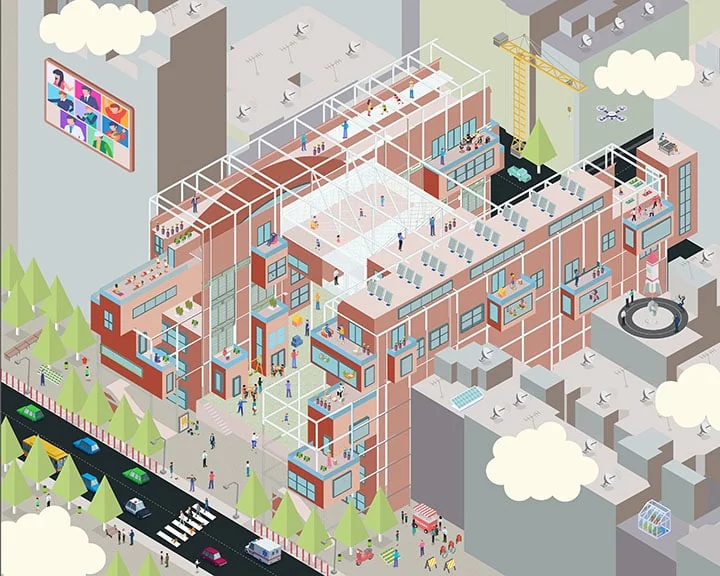
申請哥倫比亞大學建築規劃與保護研究院(Columbia GSAPP),很多人輸的不是作品集本身,而是一開始就沒讀懂官網在說什麼。GSAPP 招生頁有一句常被當成宣傳語略過的話:申請者會被選來「shape the best possible educational environment in the School’s studios and classrooms」——共同塑造工作室與課堂的最佳教育環境。
換句話說,GSAPP 挑的不只是「最強的個體」,而是能帶著問題、方法與證據,把 studio 討論往前推的人。我根據指導學生拿到 GSAPP 錄取的經驗,把官網的「潛台詞」拆成幾條,每條都附上可以直接照做的修改建議。
2026 年 10 月重新查核:文中 GSAPP 的申請截止日、作品集規格、申請費與語言成績規定,均依 GSAPP 招生官網 2027 年入學申請資訊更新,每筆附官方來源;送件前請再以官網最新公告為準。
GSAPP 建築碩士 M.Arch 申請重點一覽(2027 年入學,官方資料)
| 項目 | 內容 |
|---|---|
| 學位 | Master of Architecture,3 年制、經認證的專業學位;屬 STEM 認定學程(CIP 04.0902)|M.Arch 官方頁 |
| 申請截止 | 2027 年 1 月 3 日|Application Process |
| 作品集 | 單一 PDF、含封面與目錄在內 20 頁以內、不超過 32 MB,以一般電腦螢幕瀏覽為準,送出申請時一併上傳 |
| 其他材料 | 線上申請表、3 封推薦信、約 500 字個人陳述(personal statement)、各校成績單、履歷 |
| 申請費 | US$75 |
| GRE | 選填,沒有最低分數要求 |
| 英語 | 母語非英語者須提交 TOEFL、IELTS 或 Duolingo;在英語授課學校完成兩年學業者可申請豁免 |
| 先修課 | 入學前須有學士學位;至少 45 學分通識(藝術、人文或科學);一門 3 學分建築史概論;一門 3 學分普通物理或兩門 3 學分微積分;完全沒有建築背景者,須先修一門建築圖學或視覺藝術 studio |
| 申請限制 | 每個申請期只受理一份申請,經核准的雙學位除外 |
另外,GSAPP 的 MSAAD、MSAUD、MSCDP 與 MSRED 等碩士有提前申請(Early Action)選項:2026 年 12 月 15 日截止,第一輪結果在 2027 年 1 月底前公布;M.Arch 沒有列在這個選項裡(官方招生頁)。
潛台詞一:你是「被選來塑造班級」的人
這句話會直接影響 personal statement 的寫法:少寫「我熱愛建築」,多寫「我會把什麼議題、方法、知識帶進 studio,並怎麼和其他人互補」。
- 把文書主線從「自我讚美」改成「我能貢獻什麼」,具體寫出你會帶進 studio 的議題、方法與經驗。
- 給一個可以被驗證的例子:你曾經怎麼用某種研究方法、技術工具或跨領域背景,推動一個項目或團隊討論往前走。
- 整套申請材料都圍繞「我是能讓班級生態變強的人」來組織,而不只是證明自己很優秀。
潛台詞二:studio 是討論與實驗的實驗室
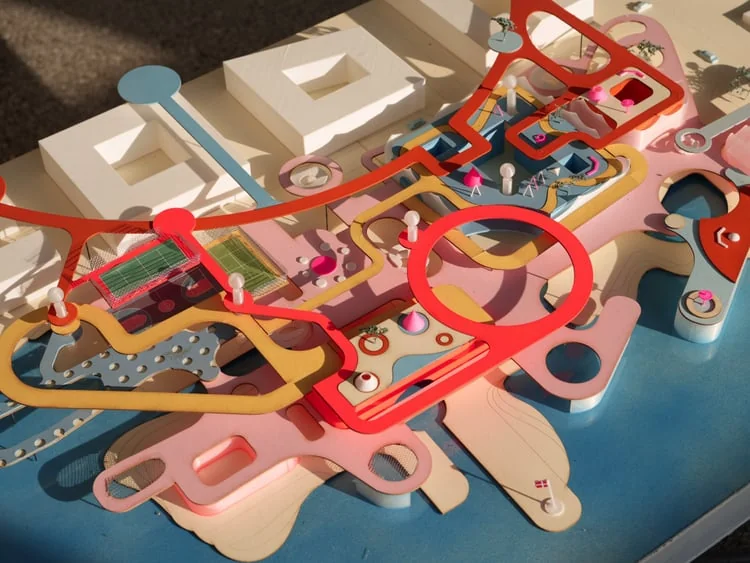
M.Arch 官方頁把最後三學期的 Advanced Studios 形容為「laboratories for discussion」,學生與評圖老師在其中練習用新的概念、計畫、工具與方法,去介入日常生活的特定層次。這代表作品集只放「結果圖」會顯得很薄;GSAPP 更想看到你怎麼提出問題、怎麼驗證、怎麼迭代。
- 每本作品集至少放 1~2 個「方法完整」的項目,讓評審看到你會做結果,也會做過程。
- 把關鍵頁面留給研究鏈:問題是什麼、怎麼測試、迭代了幾輪、為什麼最後選了這個方案。
- 不要害怕呈現失敗或修正,真正有說服力的往往是「你怎麼修正判斷」。
潛台詞三:把建築放回城市與系統
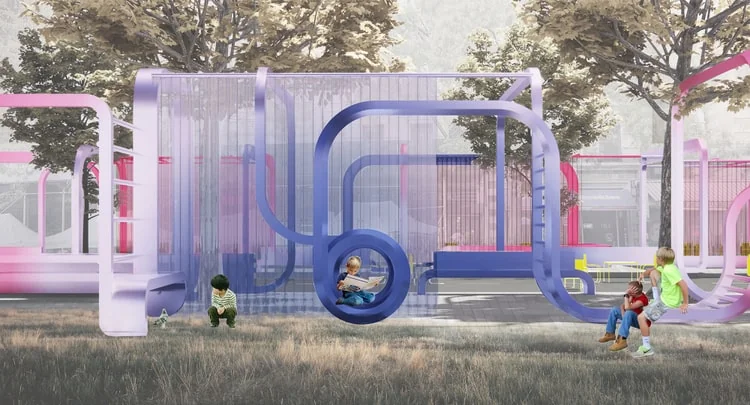
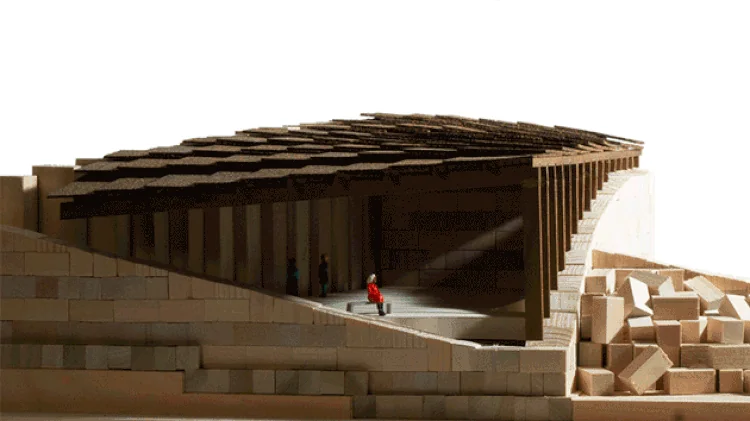
官方頁寫得很清楚:前三學期的 Core Studios 以「Architecture and the City」為主題建立基礎,強調對歷史、城市、類型學(typology)與性能(performance)「inclusive and expansive」的理解;Core I 練分析與繪圖、Core II 設計一棟公共機構建築、Core III 以住宅 studio 收尾。
GSAPP 預設建築不是孤立的物件。作品集如果只講形式,會顯得沒進入它的語境;更有效的說法是:形式回應了什麼類型學、城市條件或性能問題——光、熱、結構、使用方式與社會關係。
- 每個項目補一句「形式回應了什麼系統問題」,把造型從審美選擇提升為問題回應。
- 在版面裡加入 typology、urban condition、performance 的說明。
- 如果你有非西方語境或在地研究經驗,別只當成文化標籤,要把它變成支撐判斷的邏輯。
潛台詞四:把設計放進當代的現實議題
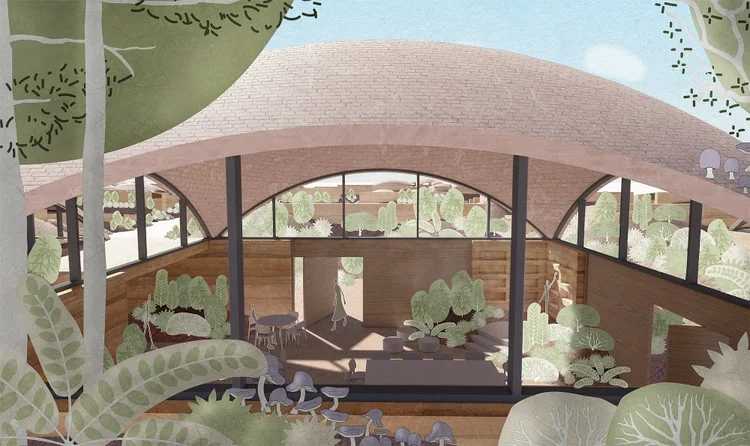
M.Arch 官方頁把建築定位為「與更廣泛的環境與全球行動緊密相連的一種知識」,關心的不是建築是什麼,而是它可以成為什麼,並把設計推演和「我們這個時代的議題」連在一起。如果你的敘事還停在「我喜歡某種美學或風格」,會和這個定位對不上。
- 把項目寫成「現實矛盾 → 設計介入」的結構,而不是只寫靈感來源或形式偏好。
- 用具體對象和情境說清楚問題,例如住房、資源、氣候風險、空間公平、城市分化,而不是堆抽象大詞。
- 就算項目尺度不大,也要讓評審看到你知道它和更大的議題有什麼關係;有社區、公共空間或協作經驗,盡量寫出來。

潛台詞五:研究要能變成設計決策
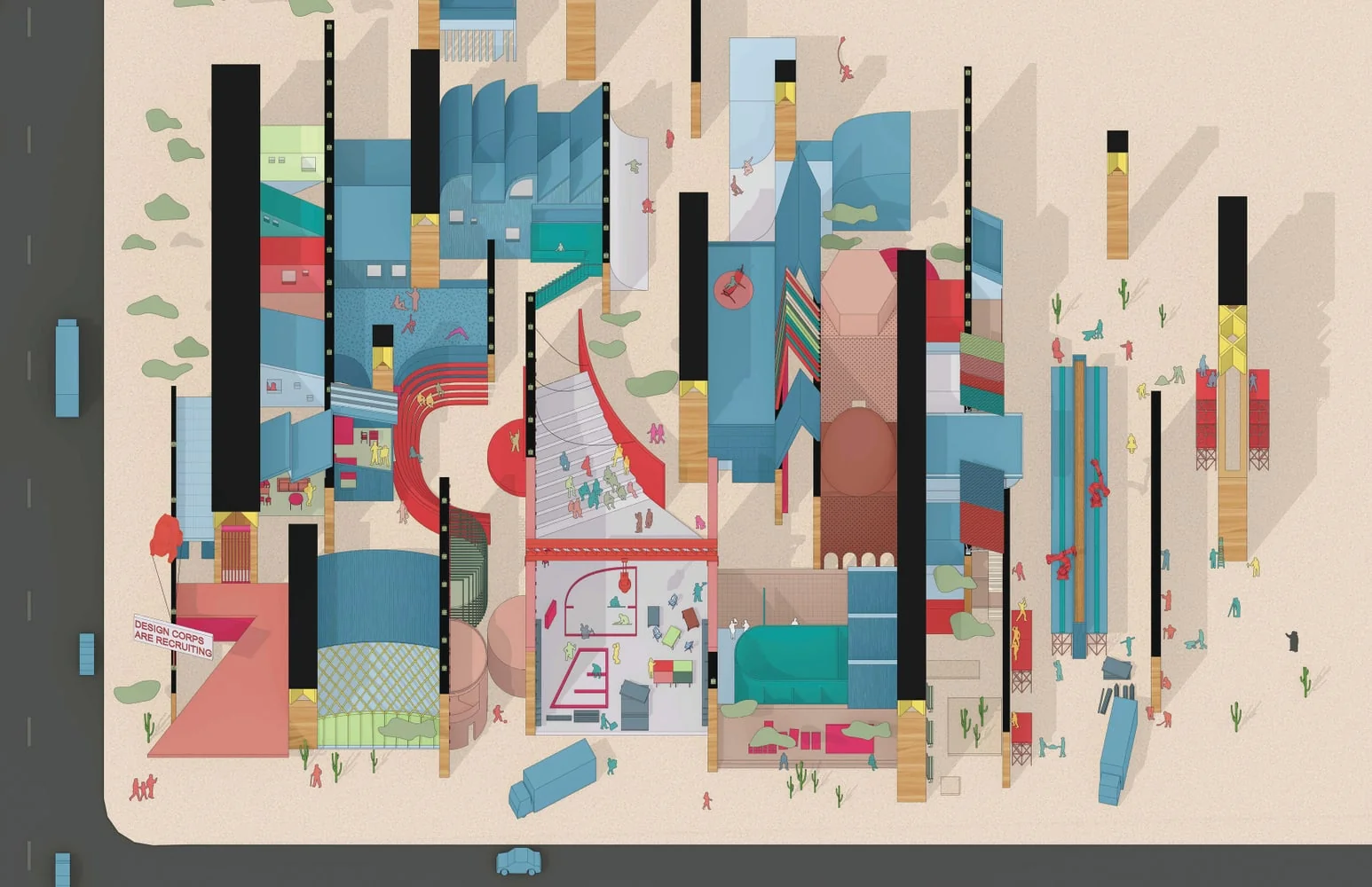
不論是資料、政策還是科學證據,GSAPP 重視的研究不是放在項目前言的背景介紹,而是真正驅動空間策略的決策引擎。計算設計也一樣:重點不是炫技,而是讓議題能被模擬、被講清楚、被傳播。
- 做一張「證據 → 策略 → 設計結果」的邏輯頁,幫評審快速看懂你的推理鏈。
- GIS、行為數據、環境模擬、政策分析等跨領域方法,盡量在版面上看得見。
- 有計算類項目時,講清楚它模擬了什麼、分析了什麼、幫你做出什麼判斷,而不是只展示參數化造型。
20 頁作品集怎麼排?
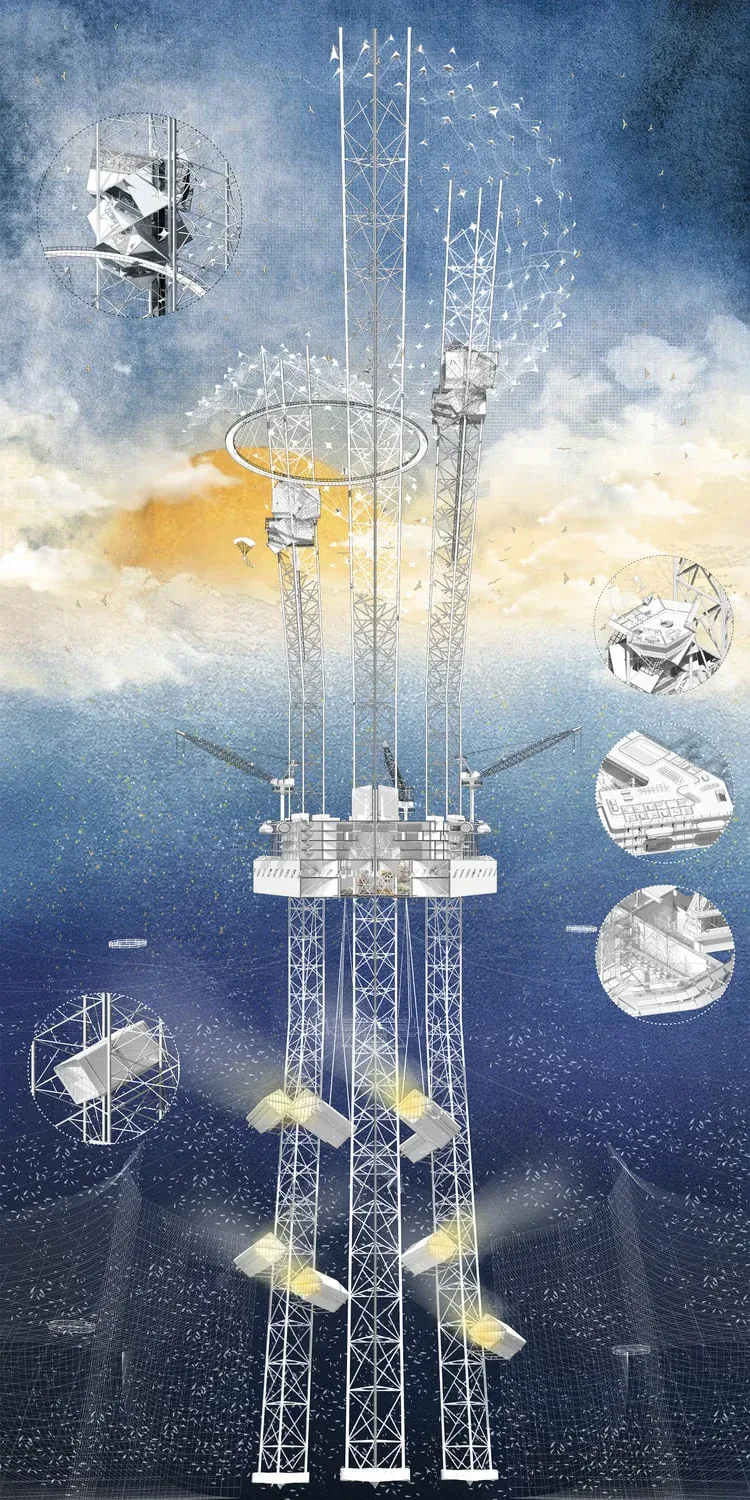
GSAPP 的作品集上限是含封面與目錄 20 頁 PDF、32 MB。官方也說明,M.Arch 歡迎建築與非建築背景的申請者,所以評估重點是用視覺與空間形式表達、溝通概念的能力;非建築背景的作品集可以放原創繪圖、版畫、平面設計、雕塑等,也可以用文字輔助。
我的建議是 3~5 個項目就好:至少一個方法完整、能看到研究鏈的項目,一個能看出城市或系統尺度的項目,其餘用來補足技法與材料的廣度。每個項目的第一頁就先講清楚「問題是什麼」。
想看其他名校怎麼看作品集,可以讀看完這五個作品,你會明白名校想要的到底是什麼和普林斯頓建築錄取解析;更多學生作品請看作品牆。
寫在最後
GSAPP 的潛台詞最後都指向同一件事:它要的不是「最會做圖的人」,而是最能在 studio 裡提出問題、建立方法、推進討論,並把設計放進現實議題的人。我從 2017 年至今累積 12,000+ 小時設計教學與設計諮詢,看過很多份「圖很漂亮但沒有立場」的作品集;先把官網讀懂,再回頭挑項目、寫文書,命中率會很不一樣。
申请哥伦比亚大学建筑规划与保护研究院(Columbia GSAPP),很多人输的不是作品集本身,而是一开始就没读懂官网在说什么。GSAPP 招生页有一句常被当成宣传语略过的话:申请者会被选来「shape the best possible educational environment in the School’s studios and classrooms」——共同塑造工作室与课堂的最佳教育环境。
换句话说,GSAPP 挑的不只是「最强的个体」,而是能带着问题、方法与证据,把 studio 讨论往前推的人。我根据指导学生拿到 GSAPP 录取的经验,把官网的「潜台词」拆成几条,每条都附上可以直接照做的修改建议。
2026 年 10 月重新查核:文中 GSAPP 的申请截止日、作品集规格、申请费与语言成绩规定,均依 GSAPP 招生官网 2027 年入学申请信息更新,每笔附官方来源;送件前请再以官网最新公告为准。
GSAPP 建筑硕士 M.Arch 申请重点一览(2027 年入学,官方资料)
| 项目 | 内容 |
|---|---|
| 学位 | Master of Architecture,3 年制、经认证的专业学位;属 STEM 认定学程(CIP 04.0902)|M.Arch 官方页 |
| 申请截止 | 2027 年 1 月 3 日|Application Process |
| 作品集 | 单一 PDF、含封面与目录在内 20 页以内、不超过 32 MB,以一般电脑屏幕浏览为准,送出申请时一并上传 |
| 其他材料 | 在线申请表、3 封推荐信、约 500 字个人陈述(personal statement)、各校成绩单、履历 |
| 申请费 | US$75 |
| GRE | 选填,没有最低分数要求 |
| 英语 | 母语非英语者须提交 TOEFL、IELTS 或 Duolingo;在英语授课学校完成两年学业者可申请豁免 |
| 先修课 | 入学前须有学士学位;至少 45 学分通识(艺术、人文或科学);一门 3 学分建筑史概论;一门 3 学分普通物理或两门 3 学分微积分;完全没有建筑背景者,须先修一门建筑图学或视觉艺术 studio |
| 申请限制 | 每个申请期只受理一份申请,经核准的双学位除外 |
另外,GSAPP 的 MSAAD、MSAUD、MSCDP 与 MSRED 等硕士有提前申请(Early Action)选项:2026 年 12 月 15 日截止,第一轮结果在 2027 年 1 月底前公布;M.Arch 没有列在这个选项里(官方招生页)。
潜台词一:你是「被选来塑造班级」的人
这句话会直接影响 personal statement 的写法:少写「我热爱建筑」,多写「我会把什么议题、方法、知识带进 studio,并怎么和其他人互补」。
- 把文书主线从「自我赞美」改成「我能贡献什么」,具体写出你会带进 studio 的议题、方法与经验。
- 给一个可以被验证的例子:你曾经怎么用某种研究方法、技术工具或跨领域背景,推动一个项目或团队讨论往前走。
- 整套申请材料都围绕「我是能让班级生态变强的人」来组织,而不只是证明自己很优秀。
潜台词二:studio 是讨论与实验的实验室
M.Arch 官方页把最后三学期的 Advanced Studios 形容为「laboratories for discussion」,学生与评图老师在其中练习用新的概念、计划、工具与方法,去介入日常生活的特定层次。这代表作品集只放「结果图」会显得很薄;GSAPP 更想看到你怎么提出问题、怎么验证、怎么迭代。
- 每本作品集至少放 1~2 个「方法完整」的项目,让评审看到你会做结果,也会做过程。
- 把关键页面留给研究链:问题是什么、怎么测试、迭代了几轮、为什么最后选了这个方案。
- 不要害怕呈现失败或修正,真正有说服力的往往是「你怎么修正判断」。
潜台词三:把建筑放回城市与系统
官方页写得很清楚:前三学期的 Core Studios 以「Architecture and the City」为主题创建基础,强调对历史、城市、类型学(typology)与性能(performance)「inclusive and expansive」的理解;Core I 练分析与绘图、Core II 设计一栋公共机构建筑、Core III 以住宅 studio 收尾。
GSAPP 预设建筑不是孤立的对象。作品集如果只讲形式,会显得没进入它的语境;更有效的说法是:形式回应了什么类型学、城市条件或性能问题——光、热、结构、使用方式与社会关系。
- 每个项目补一句「形式回应了什么系统问题」,把造型从审美选择提升为问题回应。
- 在版面里加入 typology、urban condition、performance 的说明。
- 如果你有非西方语境或在地研究经验,别只当成文化标签,要把它变成支撑判断的逻辑。
潜台词四:把设计放进当代的现实议题
M.Arch 官方页把建筑定位为「与更广泛的环境与全球行动紧密相连的一种知识」,关心的不是建筑是什么,而是它可以成为什么,并把设计推演和「我们这个时代的议题」连在一起。如果你的叙事还停在「我喜欢某种美学或风格」,会和这个定位对不上。
- 把项目写成「现实矛盾 → 设计介入」的结构,而不是只写灵感来源或形式偏好。
- 用具体对象和情境说清楚问题,例如住房、资源、气候风险、空间公平、城市分化,而不是堆抽象大词。
- 就算项目尺度不大,也要让评审看到你知道它和更大的议题有什么关系;有社区、公共空间或协作经验,尽量写出来。
潜台词五:研究要能变成设计决策
不论是数据、政策还是科学证据,GSAPP 重视的研究不是放在项目前言的背景介绍,而是真正驱动空间策略的决策引擎。计算设计也一样:重点不是炫技,而是让议题能被仿真、被讲清楚、被传播。
- 做一张「证据 → 策略 → 设计结果」的逻辑页,帮评审快速看懂你的推理链。
- GIS、行为数据、环境仿真、政策分析等跨领域方法,尽量在版面上看得见。
- 有计算类项目时,讲清楚它仿真了什么、分析了什么、帮你做出什么判断,而不是只展示参数化造型。
20 页作品集怎么排?
GSAPP 的作品集上限是含封面与目录 20 页 PDF、32 MB。官方也说明,M.Arch 欢迎建筑与非建筑背景的申请者,所以评估重点是用视觉与空间形式表达、沟通概念的能力;非建筑背景的作品集可以放原创绘图、版画、平面设计、雕塑等,也可以用文本辅助。
我的建议是 3~5 个项目就好:至少一个方法完整、能看到研究链的项目,一个能看出城市或系统尺度的项目,其余用来补足技法与材料的广度。每个项目的第一页就先讲清楚「问题是什么」。
想看其他名校怎么看作品集,可以读看完这五个作品,你会明白名校想要的到底是什么和普林斯顿建筑录取解析;更多学生作品请看作品墙。
写在最后
GSAPP 的潜台词最后都指向同一件事:它要的不是「最会做图的人」,而是最能在 studio 里提出问题、创建方法、推进讨论,并把设计放进现实议题的人。我从 2017 年至今累积 12,000+ 小时设计教学与设计咨询,看过很多份「图很漂亮但没有立场」的作品集;先把官网读懂,再回头挑项目、写文书,命中率会很不一样。
Many applicants to Columbia University’s Graduate School of Architecture, Planning and Preservation (Columbia GSAPP) are not losing on the portfolio itself. They are losing because they never understood, from the start, what the official site is saying. One sentence on the GSAPP admissions page is often skipped as a slogan: applicants are chosen to “shape the best possible educational environment in the School’s studios and classrooms”—to shape, together, the best educational environment in the studios and classrooms.
In other words, GSAPP is not choosing only “the strongest individuals.” It is choosing people who can bring questions, methods and evidence and push the studio discussion forward. Drawing on my experience advising students who were admitted to GSAPP, I have unpacked the official site’s “subtext” into several points, and each one comes with a revision you can apply directly.
Rechecked in October 2026: the GSAPP application deadline, portfolio specifications, application fee and language-score rules in this post were all updated from the GSAPP admissions site’s information for 2027 entry, and each point is linked to an official source. Before you submit, take the latest notice on the official site as final.
GSAPP M.Arch application at a glance (2027 entry, official information)
| Category | Details |
|---|---|
| Degree | Master of Architecture, a 3-year accredited professional degree; a STEM-designated programme (CIP 04.0902)|M.Arch official page |
| Application deadline | January 3, 2027|Application Process |
| Portfolio | A single PDF, no more than 20 pages including the cover and table of contents, no larger than 32 MB, prepared for viewing on an ordinary computer screen, and uploaded when you submit the application |
| Other materials | Online application form, 3 letters of recommendation, a personal statement of about 500 words, transcripts from each school, and a résumé |
| Application fee | US$75 |
| GRE | Optional, with no minimum score |
| English | Applicants whose first language is not English must submit TOEFL, IELTS or Duolingo; those who have completed two years of study at an English-medium school may apply for an exemption |
| Prerequisites | A bachelor’s degree is required before enrollment; at least 45 credits of general education (arts, humanities or sciences); one 3-credit introduction to architectural history; one 3-credit course in general physics or two 3-credit courses in calculus; applicants with no architecture background at all must first take one course in architectural graphics or a visual arts studio |
| Application limit | Only one application is accepted in each application period, except for an approved dual degree |
In addition, GSAPP master’s degrees such as the MSAAD, MSAUD, MSCDP and MSRED have an Early Action option: the deadline is December 15, 2026, and first-round results are released before the end of January 2027. The M.Arch is not listed in this option (official admissions page).
Subtext 1: You are someone “chosen to shape the class”
This sentence directly affects how you write the personal statement: write less “I love architecture,” and more “what questions, methods and knowledge I will bring into the studio, and how I complement other people”.
- Shift the through-line of the statement from “self-praise” to “what I can contribute,” and name the questions, methods and experience you will bring into the studio.
- Give an example that can be checked: how you once used a research method, a technical tool or an interdisciplinary background to move a project, or a team discussion, forward.
- Organize the whole application around “I am someone who can make the ecology of the class stronger,” and not only around proving that you are excellent.
Subtext 2: The studio is a laboratory for discussion and experiment
The M.Arch official page describes the Advanced Studios of the final three semesters as “laboratories for discussion,” in which students and critics practice using new concepts, plans, tools and methods to intervene in particular layers of everyday life. A portfolio that shows only “final images” will look thin. GSAPP would rather see how you pose a question, how you test it and how you iterate.
- In each portfolio, include at least 1–2 projects whose method is complete, so reviewers see that you can make a result and also make a process.
- Leave the key pages for the research chain: what the question is, how you tested it, how many rounds you iterated, and why you chose this scheme in the end.
- Do not be afraid to show failure or revision. What is often truly persuasive is “how you revised your judgment.”
Subtext 3: Put architecture back into the city and its systems
The official page is clear. The Core Studios of the first three semesters build a foundation under the theme “Architecture and the City,” and they emphasize an “inclusive and expansive” understanding of history, the city, typology and performance. Core I trains analysis and drawing, Core II designs a public institutional building, and Core III closes with a housing studio.
GSAPP assumes that architecture is not an isolated object. A portfolio that talks only about form will look as if it never entered this context. A more effective claim is: what typology, urban condition or performance question the form is answering—light, heat, structure, ways of use and social relations.
- For each project, add one sentence on “what systems question the form is answering,” so the form rises from an aesthetic choice to a response to a problem.
- In the layout, add notes on typology, urban condition and performance.
- If you have a non-Western context or local research experience, do not treat it only as a cultural label. Turn it into the logic that supports your judgment.
Subtext 4: Place design inside the real issues of the present
The M.Arch official page positions architecture as “a kind of knowledge closely tied to broader environmental and global action.” What it cares about is not what architecture is, but what it can become, and it connects design reasoning with “the issues of our time.” If your narrative is still stuck on “I like a certain aesthetic or style,” it will not match this position.
- Write the project as the structure “a real contradiction → a design intervention,” rather than writing only a source of inspiration or a preference for form.
- State the problem through concrete subjects and situations—housing, resources, climate risk, spatial equity, urban differentiation—rather than stacking abstract grand words.
- Even if the project is small in scale, let the reviewers see that you know how it relates to a larger issue. If you have experience with community, public space or collaboration, write it in.
Subtext 5: Research has to become a design decision
Whether the material is data, policy or scientific evidence, the research GSAPP values is not background placed in a project’s introduction. It is a decision engine that actually drives spatial strategy. Computational design is the same: the point is not to show off technique, but to let an issue be simulated, explained clearly and communicated.
- Make a logic page of “evidence → strategy → design result,” so reviewers can quickly see your chain of reasoning.
- Make interdisciplinary methods—GIS, behavioral data, environmental simulation, policy analysis—as visible as possible on the layout.
- When you have a computational project, explain what it simulated, what it analyzed and what judgment it helped you make, rather than only showing a parametric form.
How do you lay out a 20-page portfolio?
The GSAPP portfolio limit is a PDF of no more than 20 pages including the cover and table of contents, and no more than 32 MB. The school also states that the M.Arch welcomes applicants with and without an architecture background, so the focus of the review is the ability to express and communicate ideas in visual and spatial form. A portfolio from a non-architecture background may include original drawings, prints, graphic design, sculpture and similar work, and may use text in support.
My suggestion is that 3–5 projects are enough: at least one project whose method is complete and whose research chain is visible, one project that shows an urban or systems scale, and the rest to fill out the breadth of technique and material. On the first page of each project, state “what the question is” first.
To see how other top schools read a portfolio, you can read After these five works, you will see what top schools actually want and Princeton architecture admissions, unpacked. For more student work, see the work wall.
In closing
In the end, GSAPP’s subtext points to one thing. It does not want “the person who draws best.” It wants the person best able to raise questions in the studio, build a method, push the discussion forward, and place design inside real issues. Since 2017 I have accumulated 12,000+ hours of design teaching and design consulting, and I have seen many portfolios of “beautiful drawings with no position.” Read the official site properly first, then go back and choose the projects and write the statement, and the chance of hitting the mark will be very different.
English summary
How to read Columbia GSAPP's official admissions and programme pages before applying to the Master of Architecture. GSAPP says applicants are selected to shape the best possible educational environment in its studios and classrooms, so a strong application shows what questions, methods and evidence you would bring to studio discussion. The article unpacks five implications - shaping the class, studios as laboratories for discussion, placing architecture within the city and its systems (the Core Studio theme 'Architecture and the City'), linking design to contemporary issues, and letting research drive design decisions - with practical portfolio and personal statement advice and three admitted student works. Re-checked on official pages in October 2026: the M.Arch is a three-year accredited, STEM-designated professional degree; the 2027 application deadline is 3 January 2027; the portfolio is a single PDF of up to 20 pages and 32 MB; three recommendation letters, a roughly 500-word personal statement, transcripts and a CV are required; the fee is US$75; the GRE is optional; and TOEFL, IELTS or Duolingo scores are accepted.
常見問題常见问题FAQ
哥大 GSAPP M.Arch 2027 年入學的申請截止日是什麼時候?哥大 GSAPP M.Arch 2027 年入学的申请截止日是什么时候?When is the Columbia GSAPP M.Arch application deadline for 2027 entry?
依 GSAPP 官網 Application Process 頁面,Master of Architecture 的申請截止日為 2027 年 1 月 3 日;推薦信與成績單也須在截止日前送達。
依 GSAPP 官网 Application Process 页面,Master of Architecture 的申请截止日为 2027 年 1 月 3 日;推荐信与成绩单也须在截止日前送达。
On the GSAPP Application Process page, the Master of Architecture deadline is January 3, 2027. Letters of recommendation and transcripts must also arrive by the deadline.
GSAPP 作品集有什麼規格?GSAPP 作品集有什么规格?What are the GSAPP portfolio specifications?
單一 PDF 檔、含封面與目錄在內 20 頁以內、檔案不超過 32 MB,以一般電腦螢幕瀏覽為準,須在送出申請時一併上傳。
单一 PDF 档、含封面与目录在内 20 页以内、文件不超过 32 MB,以一般电脑屏幕浏览为准,须在送出申请时一并上传。
A single PDF of no more than 20 pages including the cover and table of contents, no larger than 32 MB, prepared for viewing on an ordinary computer screen, and uploaded when you submit the application.
沒有建築背景可以申請 GSAPP M.Arch 嗎?没有建筑背景可以申请 GSAPP M.Arch 吗?Can you apply to the GSAPP M.Arch without an architecture background?
可以。官方表示歡迎建築與非建築背景的申請者,作品集重點是以視覺與空間形式表達概念的能力,可放原創繪圖、版畫、平面設計或雕塑等;但入學前須完成先修課,包括建築史概論、普通物理或微積分,沒有建築背景者還要修一門建築圖學或視覺藝術 studio。
可以。官方表示欢迎建筑与非建筑背景的申请者,作品集重点是以视觉与空间形式表达概念的能力,可放原创绘图、版画、平面设计或雕塑等;但入学前须完成先修课,包括建筑史概论、普通物理或微积分,没有建筑背景者还要修一门建筑图学或视觉艺术 studio。
Yes. The school says it welcomes applicants with and without an architecture background. The portfolio is judged on the ability to express ideas in visual and spatial form, and it may include original drawings, prints, graphic design or sculpture. Before enrollment you must complete the prerequisites, including an introduction to architectural history and either general physics or calculus. Applicants with no architecture background must also take one course in architectural graphics or a visual arts studio.
申請 GSAPP 需要 GRE 和英語成績嗎?申请 GSAPP 需要 GRE 和英语成绩吗?Does an application to GSAPP require the GRE and an English score?
GRE 為選填,沒有最低分數要求。母語非英語者須提交 TOEFL、IELTS 或 Duolingo 成績;在英語授課學校完成兩年學業者可豁免。
GRE 为选填,没有最低分数要求。母语非英语者须提交 TOEFL、IELTS 或 Duolingo 成绩;在英语授课学校完成两年学业者可豁免。
The GRE is optional, and there is no minimum score. Applicants whose first language is not English must submit TOEFL, IELTS or Duolingo. Those who have completed two years of study at an English-medium school may be exempt.
GSAPP 的 personal statement 該怎麼寫?GSAPP 的 personal statement 该怎么写?How should you write the GSAPP personal statement?
官方要求約 500 字,說明背景、過去在申請領域的作品,以及研究所與職涯規劃。因為 GSAPP 選的是能塑造 studio 與課堂的人,建議把主線放在你能為 studio 帶來的議題、方法與經驗,並給一個可驗證的例子。
官方要求约 500 字,说明背景、过去在申请领域的作品,以及研究所与职涯规划。因为 GSAPP 选的是能塑造 studio 与课堂的人,建议把主线放在你能为 studio 带来的议题、方法与经验,并给一个可验证的例子。
The school asks for about 500 words on your background, your past work in the field you are applying to, and your plans for graduate study and your career. Because GSAPP selects people who can shape the studio and the classroom, put the through-line on the questions, methods and experience you can bring to the studio, and give one example that can be checked.
訂閱新文章订阅新文章Subscribe
新文章會寄到這個信箱。新文章会寄到这个邮箱。New posts will be emailed to this address.
已訂閱。已订阅。Subscribed.暫時無法訂閱,請稍後再試。暂时无法订阅,请稍后再试。Could not subscribe. Please try again.相關文章相关文章Related posts
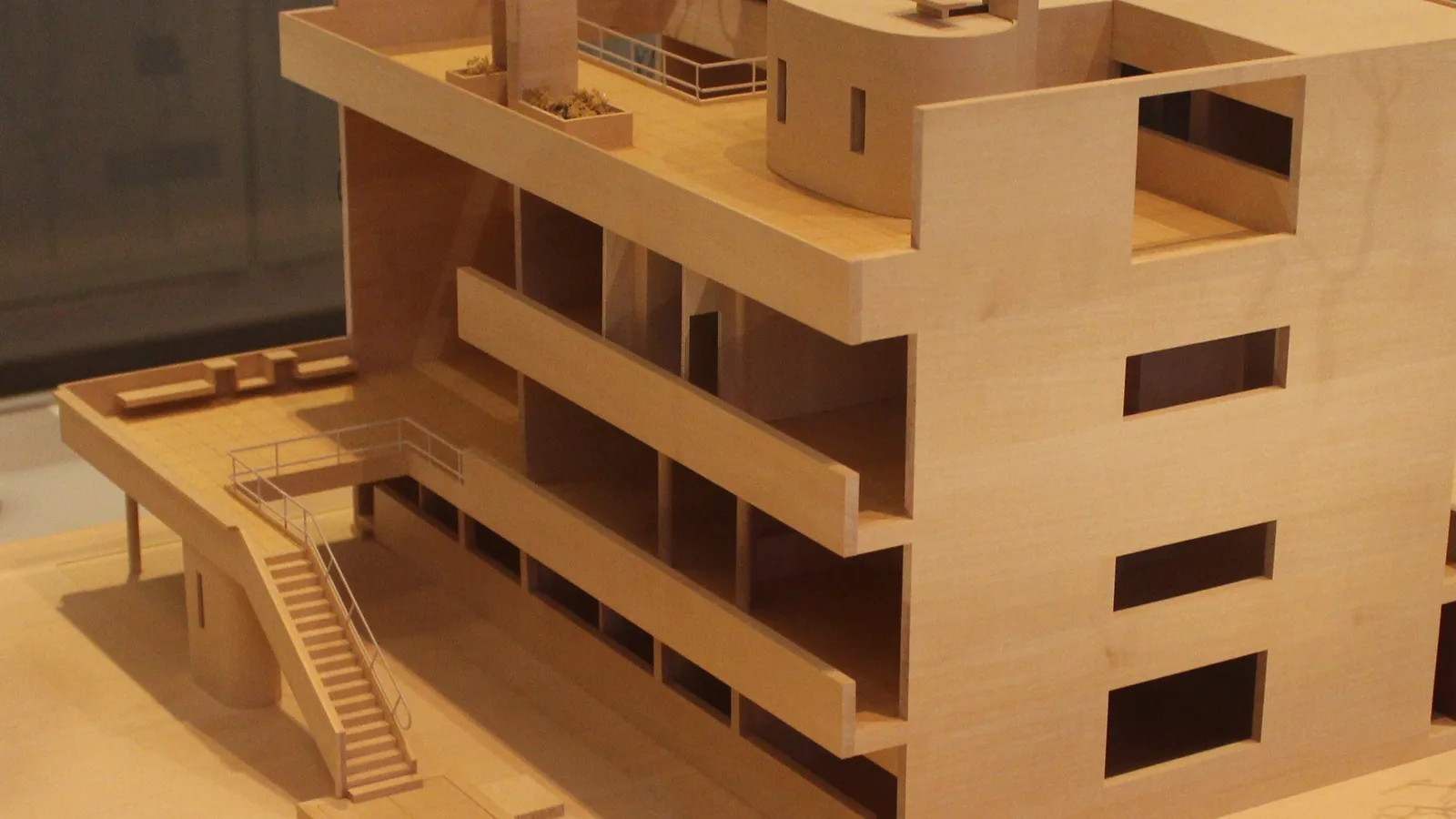 建築作品集怎麼選方向?主題 Driven、尺度 Scale、技術 Skills、目的 Goal 四個維度,怎麼組合成一個項目建筑作品集怎么选方向?主题 Driven、尺度 Scale、技术 Skills、目的 Goal 四个维度,怎么组合成一个项目How do you choose a direction for an architecture portfolio? Combining theme (Driven), scale, skills and goal into one project作品集不要先從「我有哪些好看的圖」倒過來排,而要先選定主題(Driven)、尺度(Scale)、技術(Skills)與目的(Goal),再組合成一個說得清楚的項目。本文依教學簡報〈作品集準備及選擇方向〉整理這四個維度,並說明簡報如何用一個項目示範組合方法。簡報中的學生案例只寫錄取學校與作品方向,不具名。作品集不要先从「我有哪些好看的图」倒过来排,而要先选定主题(Driven)、尺度(Scale)、技术(Skills)与目的(Goal),再组合成一个说得清楚的项目。本文依教学简报〈作品集准备及选择方向〉整理这四个维度,并说明简报如何用一个项目示范组合方法。简报中的学生案例只写录取学校与作品方向,不具名。Do not build a portfolio by lining up your best-looking drawings and working backwards. Choose a theme (Driven), a scale, the skills to make visible, and a goal, then combine them into a project you can explain. This article follows the teaching deck “Portfolio preparation and choosing a direction,” including the deck’s worked example of how to combine the four dimensions. Student cases are anonymous: only the schools listed on the slide and the direction of the work are given.
 錄取卡內基美隆建築本科的作品集:她把橘子、身體、植物與記憶都搭成了空間(2026 年 10 月官方查核)录取卡内基美隆建筑本科的作品集:她把橘子、身体、植物与记忆都搭成了空间(2026 年 10 月官方查核)A Carnegie Mellon architecture portfolio: how one admitted student built oranges, the body, plants and memory into space (checked October 2026)一份錄取卡內基美隆(CMU)建築本科的作品集,如何對應官網列出的好奇心、空間推理、綜合能力與「動手製作的慾望」?拆解橘子涼亭、生長的支架、灰姑娘等作品,並對照 CMU 官網:10 件作品、經 SlideRoom 提交,ED 11 月 2 日、RD 1 月 8 日截止。一份录取卡内基美隆(CMU)建筑本科的作品集,如何对应官网列出的好奇心、空间推理、综合能力与「动手制作的欲望」?拆解橘子凉亭、生长的支架、灰姑娘等作品,并对照 CMU 官网:10 件作品、经 SlideRoom 提交,ED 11 月 2 日、RD 1 月 8 日截止。How does a portfolio admitted to Carnegie Mellon (CMU) undergraduate architecture meet the curiosity, spatial reasoning, ability to synthesize, and "desire to make" named on the official site? It unpacks the orange pavilion, A Scaffold of Growth, Cinderella, and other works, set against the CMU site: 10 works, submitted through SlideRoom, with Early Decision due November 2 and Regular Decision due January 8.
 4 份作品集都錄取康乃爾建築本科:他們把生活經驗「轉譯」成空間(2026 年 10 月官方查核)4 份作品集都录取康乃尔建筑本科:他们把生活经验「转译」成空间(2026 年 10 月官方查核)Four portfolios, four Cornell B.Arch offers: how admitted students translated everyday experience into space (checked October 2026)四份風格完全不同的作品集都錄取康乃爾 B.Arch:繪畫與陶瓷、計算設計、遊戲敘事、生態行動。拆解它們的共同點——從個人經驗出發、保留過程證據、多媒材、價值方向具體,並對照康乃爾 AAP 官網:作品集 15–20 張、每項目最多 2 張,ED 11 月 1 日、RD 1 月 2 日截止,加 3 分鐘影片面試。四份风格完全不同的作品集都录取康乃尔 B.Arch:绘画与陶瓷、计算设计、游戏叙事、生态行动。拆解它们的共同点——从个人经验出发、保留过程证据、多媒材、价值方向具体,并对照康乃尔 AAP 官网:作品集 15–20 张、每项目最多 2 张,ED 11 月 1 日、RD 1 月 2 日截止,加 3 分钟视频面试。Four portfolios in completely different styles were admitted to the Cornell B.Arch: painting and ceramics, computational design, game narrative, and ecological action. They share a start in personal experience, process kept as evidence, multiple media, and a concrete direction of values, set against the Cornell AAP site: 15–20 images, at most 2 per project, Early Decision due November 1, Regular Decision due January 2, and a 3-minute video interview.