德國機會卡(Chancenkarte)是什麼?設計/建築畢業生沒有 offer 也能去德國找工作嗎?2026 條件、計分與藍卡薪資門檻德国机会卡(Chancenkarte)是什么?设计/建筑毕业生没有 offer 也能去德国找工作吗?2026 条件、计分与蓝卡薪资门槛What is Germany’s Opportunity Card (Chancenkarte)? Can design and architecture graduates job-hunt in Germany without an offer? 2026 requirements, points and EU Blue Card salary thresholds
用微信掃描這張 QR code 即可分享。用微信扫描这张 QR code 即可分享。Scan this QR code with WeChat to share.
掃描或下載這張 QR code。扫描或下载这张 QR code。Scan or download this QR code.
結論先講:德國的機會卡(Chancenkarte,Opportunity Card)讓非歐盟的大學畢業生不用先拿到工作 offer,就能申請到德國找工作,最長 1 年;找工作期間每週可兼職合計 20 小時,並可在每個雇主試工最多 2 週。但它不是「人人直接發簽證」:兩條路徑二擇一——學歷在德國已完全承認(免計分、免語言證明);或學歷在取得國被承認+德語 A1 或英語 B2+計分至少 6 分;兩者都要證明生活費(2026 年封鎖帳戶每月至少 €1,091)。找到工作後,建築專業人員在德國歐盟藍卡的缺工職業清單上,經聯邦就業局(BA)同意,2026 年薪資門檻可降到 €45,934.20。以上依 2026 年 11 月 9 日(台北時間)德國官方網站 Make it in Germany 查核。
如果你本來就在德國唸完學位,路更寬:畢業後可直接申請 18 個月的求職居留,期間兼職不受時數限制。
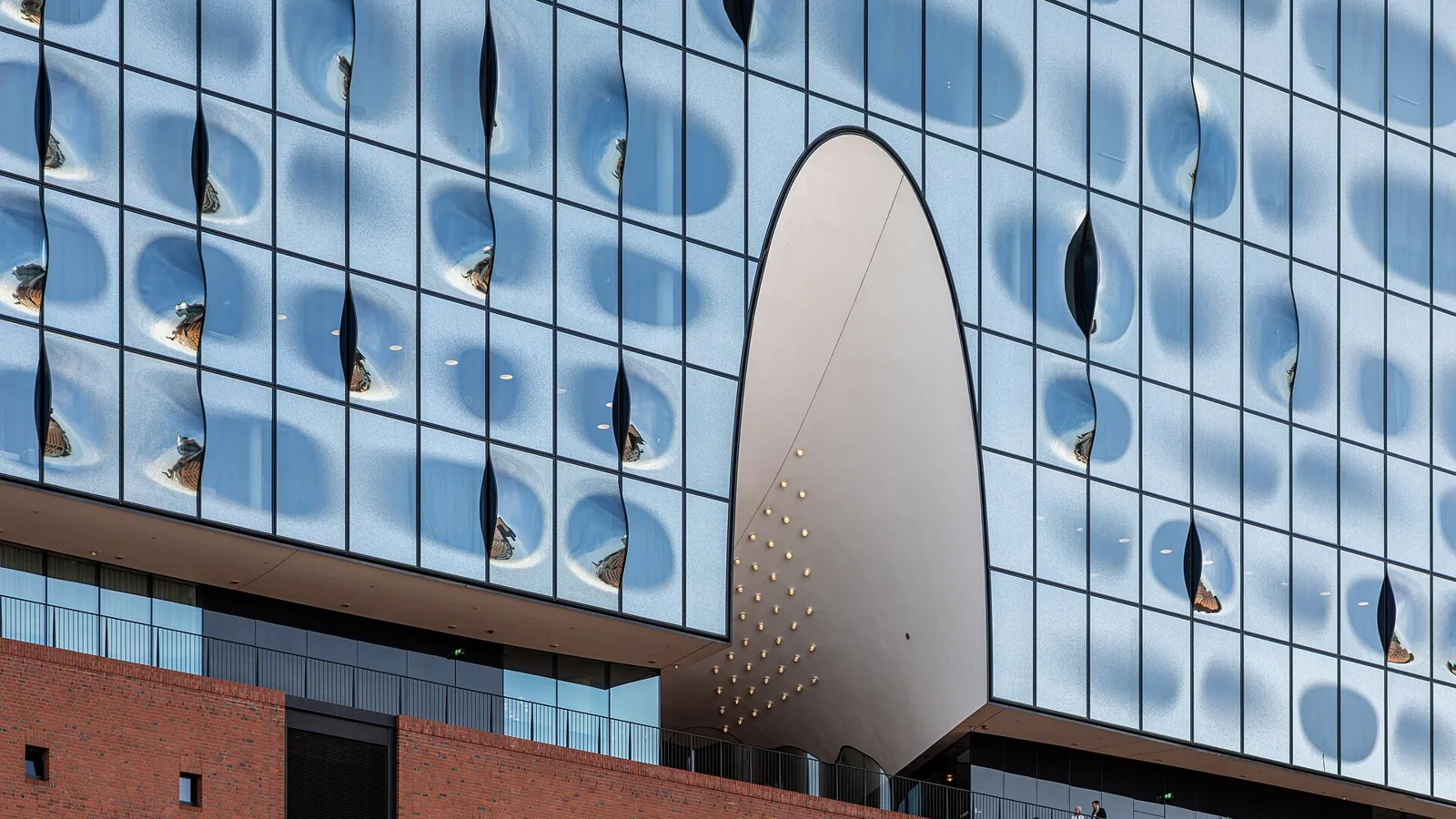
封面為漢堡易北愛樂廳(Elbphilharmonie,Herzog & de Meuron 設計),德國當代建築代表作之一,非學生作品。圖片來源:Wikimedia Commons(Hamburg, Elbphilharmonie -- 2023 -- 6565.jpg,Dietmar Rabich,CC BY-SA 4.0;裁切、縮圖)
為什麼設計/建築畢業生值得認真看德國?
我自己在美國唸完建築後,曾在柏林的國際建築事務所 LAVA 用英語工作。那段經歷後來在英國、美國、香港找工作時,一直是履歷上被問最多的一行:在歐洲事務所的實戰、跨語言協作、對歐洲建造體系的理解,都很難用學校排名取代。
過去最大的門檻是「沒有 offer 就拿不到簽證」。機會卡改變了這件事:你可以先進德國、面試、試工,再轉成正式工作居留。對作品集強、但還沒拿到海外 offer 的設計與建築畢業生,這是一條值得算一算的路。
2026 年 11 月重新查核:舊資料常寫「雅思 5.5 就能申請」「無條件直接給簽證」「審核寬鬆的窗口期」,官方頁面沒有這些說法;以下一律以官方網站為準。
德國機會卡的申請條件是什麼?
官方列出兩條路(Make it in Germany 機會卡頁):
- 路線 1:學歷已在德國獲得完全承認(或在德國取得學位/職訓):視為專業人員(skilled worker),不用計分、也不用證明語言。
- 路線 2:計分制:學位或至少 2 年的職訓須在取得國被承認(外國大學學位需 anabin 正面結果或 ZAB 的 Statement of Comparability);德語至少 A1 或英語至少 B2(CEFR);並在計分制拿到至少 6 分。
- 兩條路都要:證明找工作期間的生活費,可用封鎖帳戶(2026 年每月淨額至少 €1,091)或擔保書(Verpflichtungserklärung)。
機會卡計分制怎麼算?設計畢業生能拿幾分?
- 學歷部分等同:已申請學歷承認、結果為部分等同,4 分。
- 缺工職業:學歷屬缺工職業,1 分。
- 工作經驗:近 5 年內有 2 年相關經驗 2 分;近 7 年內有 5 年 3 分(須是畢業後、與學歷相關)。
- 德語:A2 1 分、B1 2 分、B2 以上 3 分;英語 C1 以上或母語者另加 1 分。
- 年齡:未滿 35 歲 2 分;35–40 歲 1 分。
- 曾在德國合法連續居留 6 個月以上(近 5 年內,留學、語言課、工作都算,觀光不算):1 分。
- 配偶/伴侶也符合機會卡條件並一起申請:1 分。
舉例:一位 28 歲、碩士畢業後在事務所工作滿 2 年、英語 C1、德語 B1 的設計師,可得年齡 2 分+經驗 2 分+德語 2 分+英語 1 分=7 分,超過 6 分門檻(仍須符合學歷與語言的基本條件)。官網提供 Self-Check 可先自我評估,正式申請走德國外交部 Consular Services Portal 線上送件。
拿到機會卡後,在德國可以做什麼?
- 最長 1 年的找工作居留,可以求職或自雇創業。
- 兼職合計每週 20 小時,以及每個雇主最多 2 週的試工(目的須是取得合格工作、學徒或資格課程)。
- 找到工作後,向當地外國人管理局(Ausländerbehörde)換成工作居留;若工作符合合格就業但無其他居留可轉,機會卡可延長最多 2 年(Folge-Chancenkarte)。
找到工作後,建築師能申請歐盟藍卡嗎?薪資門檻多少?
可以。歐盟藍卡需要大學學位(或與德國學位相當)、至少 6 個月的工作合約、且工作要對口。2026 年一般薪資門檻為年薪 €50,700;「建築、空間規劃與交通規劃的學術專業人員」在缺工職業清單上,經聯邦就業局(BA)同意後門檻降為 €45,934.20。畢業未滿 3 年的新鮮人,任何職業也適用 €45,934.20,但也需經聯邦就業局(BA)同意。藍卡持有人有德語 A1 可在 27 個月後申請永久居留,德語 B1 可縮短到 21 個月(Make it in Germany 歐盟藍卡頁)。
提醒:「建築師(Architekt/Architektin)」在德國是受法律保護的職稱,只有登錄在各邦建築師公會(Architektenkammer)名冊上的人才能使用;剛畢業、尚未登錄者,在事務所以設計職員身分工作,不能自稱 Architekt。
直接在德國讀設計或建築,畢業後有什麼差別?
在德國取得學位(或職訓)的人,畢業後可直接申請依居留法第 20 條的求職居留 18 個月(不是 1 年),期間兼職不受時數限制,也不用走機會卡計分。若你還在選校,「在德國唸完再留下」與「在英美唸完再用機會卡進德國」是兩種不同的時間與成本組合,可以一起比較。
機會卡適合哪些設計背景的人?
- 已有 1–3 年事務所或設計公司經驗、作品集完整、英語流利,想累積歐洲實戰履歷的人。
- 願意學德語的人:德語 B1 不只多 2 分,也直接影響面試機會與藍卡轉永居的速度。
- 預算要算清楚:一年封鎖帳戶以每月 €1,091 計約 €13,092,另加簽證、保險與租屋成本;兼職每週 20 小時可補貼,但不建議當作主要收入規劃。
作者具 12,000+ 小時設計教學與設計諮詢經驗;以上資料皆以德國官方網站為準,申請前請再確認最新要求。
结论先讲:德国的机会卡(Chancenkarte,Opportunity Card)让非欧盟的大学毕业生不用先拿到工作 offer,就能申请到德国找工作,最长 1 年;找工作期间每周可兼职合计 20 小时,并可在每个雇主试工最多 2 周。但它不是「人人直接发签证」:两条路径二择一——学历在德国已完全承认(免计分、免语言证明);或学历在取得国被承认+德语 A1 或英语 B2+计分至少 6 分;两者都要证明生活费(2026 年封锁帐户每月至少 €1,091)。找到工作后,建筑专业人员在德国欧盟蓝卡的缺工职业清单上,经联邦就业局(BA)同意,2026 年薪资门槛可降到 €45,934.20。以上依 2026 年 11 月 9 日(台北时间)德国官方网站 Make it in Germany 查核。
如果你本来就在德国念完学位,路更宽:毕业后可直接申请 18 个月的求职居留,期间兼职不受时数限制。
封面为汉堡易北爱乐厅(Elbphilharmonie,Herzog & de Meuron 设计),德国当代建筑代表作之一,非学生作品。图片来源:Wikimedia Commons(Hamburg, Elbphilharmonie -- 2023 -- 6565.jpg,Dietmar Rabich,CC BY-SA 4.0;裁切、缩略图)
为什么设计/建筑毕业生值得认真看德国?
我自己在美国念完建筑后,曾在柏林的国际建筑事务所 LAVA 用英语工作。那段经历后来在英国、美国、香港找工作时,一直是履历上被问最多的一行:在欧洲事务所的实战、跨语言协作、对欧洲建造体系的理解,都很难用学校排名取代。
过去最大的门槛是「没有 offer 就拿不到签证」。机会卡改变了这件事:你可以先进德国、面试、试工,再转成正式工作居留。对作品集强、但还没拿到海外 offer 的设计与建筑毕业生,这是一条值得算一算的路。
2026 年 11 月重新查核:旧资料常写「雅思 5.5 就能申请」「无条件直接给签证」「审核宽松的窗口期」,官方页面没有这些说法;以下一律以官方网站为准。
德国机会卡的申请条件是什么?
官方列出两条路(Make it in Germany 机会卡页):
- 路线 1:学历已在德国获得完全承认(或在德国取得学位/职训):视为专业人员(skilled worker),不用计分、也不用证明语言。
- 路线 2:计分制:学位或至少 2 年的职训须在取得国被承认(外国大学学位需 anabin 正面结果或 ZAB 的 Statement of Comparability);德语至少 A1 或英语至少 B2(CEFR);并在计分制拿到至少 6 分。
- 两条路都要:证明找工作期间的生活费,可用封锁帐户(2026 年每月净额至少 €1,091)或担保书(Verpflichtungserklärung)。
机会卡计分制怎么算?设计毕业生能拿几分?
- 学历部分等同:已申请学历承认、结果为部分等同,4 分。
- 缺工职业:学历属缺工职业,1 分。
- 工作经验:近 5 年内有 2 年相关经验 2 分;近 7 年内有 5 年 3 分(须是毕业后、与学历相关)。
- 德语:A2 1 分、B1 2 分、B2 以上 3 分;英语 C1 以上或母语者另加 1 分。
- 年龄:未满 35 岁 2 分;35–40 岁 1 分。
- 曾在德国合法连续居留 6 个月以上(近 5 年内,留学、语言课、工作都算,观光不算):1 分。
- 配偶/伴侣也符合机会卡条件并一起申请:1 分。
举例:一位 28 岁、硕士毕业后在事务所工作满 2 年、英语 C1、德语 B1 的设计师,可得年龄 2 分+经验 2 分+德语 2 分+英语 1 分=7 分,超过 6 分门槛(仍须符合学历与语言的基本条件)。官网提供 Self-Check 可先自我评估,正式申请走德国外交部 Consular Services Portal 在线送件。
拿到机会卡后,在德国可以做什么?
- 最长 1 年的找工作居留,可以求职或自雇创业。
- 兼职合计每周 20 小时,以及每个雇主最多 2 周的试工(目的须是取得合格工作、学徒或资格课程)。
- 找到工作后,向当地外国人管理局(Ausländerbehörde)换成工作居留;若工作符合合格就业但无其他居留可转,机会卡可延长最多 2 年(Folge-Chancenkarte)。
找到工作后,建筑师能申请欧盟蓝卡吗?薪资门槛多少?
可以。欧盟蓝卡需要大学学位(或与德国学位相当)、至少 6 个月的工作合约、且工作要对口。2026 年一般薪资门槛为年薪 €50,700;「建筑、空间规划与交通规划的学术专业人员」在缺工职业清单上,经联邦就业局(BA)同意后门槛降为 €45,934.20。毕业未满 3 年的新鲜人,任何职业也适用 €45,934.20,但也需经联邦就业局(BA)同意。蓝卡持有人有德语 A1 可在 27 个月后申请永久居留,德语 B1 可缩短到 21 个月(Make it in Germany 欧盟蓝卡页)。
提醒:「建筑师(Architekt/Architektin)」在德国是受法律保护的职称,只有登录在各邦建筑师公会(Architektenkammer)名册上的人才能使用;刚毕业、尚未登录者,在事务所以设计职员身分工作,不能自称 Architekt。
直接在德国读设计或建筑,毕业后有什么差别?
在德国取得学位(或职训)的人,毕业后可直接申请依居留法第 20 条的求职居留 18 个月(不是 1 年),期间兼职不受时数限制,也不用走机会卡计分。若你还在选校,「在德国念完再留下」与「在英美念完再用机会卡进德国」是两种不同的时间与成本组合,可以一起比较。
机会卡适合哪些设计背景的人?
- 已有 1–3 年事务所或设计公司经验、作品集完整、英语流利,想累积欧洲实战履历的人。
- 愿意学德语的人:德语 B1 不只多 2 分,也直接影响面试机会与蓝卡转永居的速度。
- 预算要算清楚:一年封锁帐户以每月 €1,091 计约 €13,092,另加签证、保险与租屋成本;兼职每周 20 小时可补贴,但不建议当作主要收入规划。
作者具 12,000+ 小时设计教学与设计咨询经验;以上资料皆以德国官方网站为准,申请前请再确认最新要求。
The short answer: Germany’s Opportunity Card (Chancenkarte) lets non-EU graduates come to Germany to look for work without a job offer first, for up to one year. While searching you may hold part-time jobs totalling 20 hours a week and do trial work of up to two weeks per employer. It is not an automatic visa, though: choose one of two routes — a qualification fully recognised in Germany (no points or language proof needed); or a qualification recognised in the country where you obtained it plus German at A1 or English at B2 and at least six points in the points system; both require proof of funds (in 2026 a blocked account holding at least €1,091 a month). Once you find a job, academic architecture professionals are on Germany’s EU Blue Card shortage-occupation list, so with Federal Employment Agency (BA) approval the 2026 salary threshold can drop to €45,934.20. All of this was checked against Germany’s official Make it in Germany portal on 9 November 2026 (Taipei time).
If you graduate from a German university, the route is even wider: you can apply straight away for an 18-month job-seeker residence permit, with no limit on part-time work during that time.
Cover: the Elbphilharmonie in Hamburg (Herzog & de Meuron), one of Germany’s landmark contemporary buildings; not student work. Image: Wikimedia Commons (Hamburg, Elbphilharmonie -- 2023 -- 6565.jpg, Dietmar Rabich, CC BY-SA 4.0; cropped, resized)
Why should design and architecture graduates take Germany seriously?
After studying architecture in the US, I worked in English at LAVA, an international architecture practice in Berlin. When I later looked for work in the UK, the US and Hong Kong, that line on my CV drew more questions than any other: hands-on experience in a European office, cross-language collaboration and an understanding of how Europe builds are hard to replace with a school ranking.
The old barrier was simple: no offer, no visa. The Opportunity Card changes that. You can enter Germany, interview and do trial work first, then switch to a regular work permit. For design and architecture graduates with a strong portfolio but no overseas offer yet, the route is worth running the numbers on.
Rechecked November 2026: older posts often claim that “IELTS 5.5 is enough”, that the visa is granted unconditionally, or that there is a “lenient window”. The official pages say none of this; everything below follows the official sources.
What are the requirements for Germany’s Opportunity Card?
There are two official routes (Make it in Germany: Opportunity Card):
- Route 1: your qualification is fully recognised in Germany (or you earned your degree or vocational qualification in Germany). You count as a skilled worker, so no points and no language proof are required.
- Route 2: the points system. Your degree, or vocational training lasting at least two years, must be recognised in the country where you obtained it (for a foreign degree, a positive anabin result or a ZAB Statement of Comparability). You need German at A1 or above, or English at B2 or above (CEFR), and at least six points.
- Both routes require proof that you can fund your job search: a blocked account (at least €1,091 net per month in 2026) or a declaration of commitment (Verpflichtungserklärung).
How does the points system work, and how many points can a design graduate get?
- Partial equivalence of your qualification (after applying for recognition): 4 points.
- Qualification in a shortage occupation: 1 point.
- Work experience related to your qualification after graduating: 2 years within the last 5 gives 2 points; 5 years within the last 7 gives 3 points.
- German: A2 1 point, B1 2 points, B2 or above 3 points; English at C1 or above, or native speaker, adds 1 point.
- Age: under 35, 2 points; 35 to 40, 1 point.
- A previous legal stay in Germany of at least six continuous months in the last five years (study, language courses and work count; tourism does not): 1 point.
- A spouse or partner who also qualifies and applies with you: 1 point.
Example: a 28-year-old designer with a master’s degree, two years in practice since graduating, English at C1 and German at B1 scores 2 (age) + 2 (experience) + 2 (German) + 1 (English) = 7 points, above the threshold of six (the basic qualification and language requirements still apply). The official site has a Self-Check for a first assessment, and applications are submitted online through the Federal Foreign Office’s Consular Services Portal.
What can you do in Germany once you hold the Opportunity Card?
- Stay for up to one year to look for a job or become self-employed.
- Work part-time for up to 20 hours a week in total, and do trial work of up to two weeks per employer (aimed at qualified employment, an apprenticeship or a qualification programme).
- Once you find a job, apply to your local foreigners authority (Ausländerbehörde) for a work permit. If the job counts as qualified employment but no other residence title fits, the card can be extended for up to two years (Folge-Chancenkarte).
Can architects get an EU Blue Card after finding a job, and what is the salary threshold?
Yes. The EU Blue Card requires a degree (German or comparable), a contract of at least six months and a job matching your qualification. The general threshold for 2026 is a gross salary of €50,700 a year. Academic professionals in architecture, spatial planning and transport planning are on the shortage-occupation list, so with Federal Employment Agency (BA) approval the threshold drops to €45,934.20. Graduates within three years of their last degree also qualify at €45,934.20 in any profession, with Federal Employment Agency (BA) approval. Blue Card holders can get a settlement permit after 27 months with German at A1, or after 21 months with B1 (Make it in Germany: EU Blue Card).
Note that “Architekt” is a protected title in Germany: only people entered on the list of a state chamber of architects (Architektenkammer) may use it. Recent graduates who are not registered work as design staff and may not call themselves Architekt.
What difference does studying design or architecture in Germany make?
People who earn a degree (or vocational qualification) in Germany can apply straight after graduating for an 18-month job-seeker residence permit under Section 20 of the Residence Act (instead of one year), with no limit on part-time work and no points test. If you are still choosing schools, “study in Germany and stay on” and “study in the UK or US, then enter Germany on the Opportunity Card” are two different combinations of time and cost worth comparing side by side.
Which design profiles suit the Opportunity Card?
- People with one to three years in an architecture office or design studio, a complete portfolio and fluent English who want European work experience.
- People willing to learn German: B1 earns two extra points and directly affects interview chances and how quickly a Blue Card leads to permanent residence.
- People who budget carefully: a year of blocked-account funds at €1,091 a month is about €13,092, plus visa, insurance and rent. Twenty hours of part-time work a week helps, but should not be planned as your main income.
The author has 12,000+ hours of design teaching and design consulting. Everything above follows Germany’s official websites; please recheck the latest requirements before you apply.
English summary
Can design and architecture graduates from outside the EU look for work in Germany without a job offer? Yes, through the Opportunity Card (Chancenkarte), checked against Make it in Germany on 9 November 2026: up to one year of job-seeking, part-time work up to 20 hours a week and trial work of up to two weeks per employer. Applicants choose one of two routes: a qualification fully recognised in Germany (no points or language proof); or a qualification recognised where obtained plus German at A1 or English at B2 and at least six points (age, experience, languages, previous stays); both require €1,091 a month in a blocked account for 2026. After finding a job, academic architecture professionals are on the EU Blue Card shortage list, so with Federal Employment Agency (BA) approval the 2026 salary threshold drops from €50,700 to €45,934.20; graduates of German universities instead get an 18-month job-seeker permit.
常見問題常见问题FAQ
沒有工作 offer 可以申請德國機會卡嗎?没有工作 offer 可以申请德国机会卡吗?Can I apply for Germany’s Opportunity Card without a job offer?
可以,機會卡就是讓你先到德國找工作,最長 1 年。兩條路徑二擇一:學歷在德國已完全承認(免計分、免語言證明);或學歷在取得國被承認+德語 A1/英語 B2+計分至少 6 分;兩者都要生活費證明(2026 年封鎖帳戶每月至少 €1,091)。
可以,机会卡就是让你先到德国找工作,最长 1 年。两条路径二择一:学历在德国已完全承认(免计分、免语言证明);或学历在取得国被承认+德语 A1/英语 B2+计分至少 6 分;两者都要生活费证明(2026 年封锁帐户每月至少 €1,091)。
Yes. The card exists so you can come to Germany to look for work for up to one year. Choose one of two routes: a qualification fully recognised in Germany (no points or language proof needed); or a qualification recognised where obtained plus German at A1 or English at B2 and at least six points; both require proof of funds (in 2026, a blocked account holding at least €1,091 a month).
德國機會卡要雅思幾分?德国机会卡要雅思几分?What IELTS score do I need for the Opportunity Card?
官網不是用雅思分數表述,而是要求英語至少 CEFR B2(或德語至少 A1);英語 C1 以上可再加 1 分。用哪種考試證明 B2,依德國駐外館處要求確認。
官网不是用雅思分数表述,而是要求英语至少 CEFR B2(或德语至少 A1);英语 C1 以上可再加 1 分。用哪种考试证明 B2,依德国驻外馆处要求确认。
The official site does not state an IELTS score. It requires English at CEFR B2 or above (or German at A1 or above), and English at C1 or above earns an extra point. Check with the German mission which certificates it accepts as proof of B2.
持機會卡在德國可以打工嗎?持机会卡在德国可以打工吗?Can I work while holding the Opportunity Card?
可以兼職,合計每週最多 20 小時;另可在每個雇主試工最多 2 週,目的須是取得合格工作、學徒或資格課程。
可以兼职,合计每周最多 20 小时;另可在每个雇主试工最多 2 周,目的须是取得合格工作、学徒或资格课程。
Yes, part-time jobs totalling up to 20 hours a week, plus trial work of up to two weeks per employer aimed at qualified employment, an apprenticeship or a qualification programme.
建築師在德國申請歐盟藍卡的薪資門檻是多少?建筑师在德国申请欧盟蓝卡的薪资门槛是多少?What is the EU Blue Card salary threshold for architects in Germany?
2026 年一般門檻為年薪 €50,700;建築、空間規劃與交通規劃的學術專業人員屬缺工職業,經聯邦就業局同意可降為 €45,934.20。畢業未滿 3 年者任何職業也適用 €45,934.20,但也需經聯邦就業局(BA)同意。
2026 年一般门槛为年薪 €50,700;建筑、空间规划与交通规划的学术专业人员属缺工职业,经联邦就业局同意可降为 €45,934.20。毕业未满 3 年者任何职业也适用 €45,934.20,但也需经联邦就业局(BA)同意。
For 2026 the general threshold is €50,700 gross a year. Academic professionals in architecture, spatial planning and transport planning are a shortage occupation, so with Federal Employment Agency approval it drops to €45,934.20. Graduates within three years of their last degree also qualify at €45,934.20 in any profession, with Federal Employment Agency (BA) approval.
在德國讀完書,畢業後可以留下找工作多久?在德国读完书,毕业后可以留下找工作多久?How long can I stay to look for work after graduating in Germany?
在德國取得學位或職訓者,畢業後可申請 18 個月的求職居留(居留法第 20 條),期間兼職不受時數限制,不必走機會卡計分。
在德国取得学位或职训者,毕业后可申请 18 个月的求职居留(居留法第 20 条),期间兼职不受时数限制,不必走机会卡计分。
If you earn your degree or vocational qualification in Germany, you can apply for an 18-month job-seeker residence permit (Section 20 of the Residence Act), with no limit on part-time work and no points test.
機會卡到期還沒找到工作怎麼辦?机会卡到期还没找到工作怎么办?What happens if my Opportunity Card expires before I find a job?
機會卡最長 1 年;找到符合資格的工作才能轉工作居留,或在無其他居留可轉時延長為最多 2 年的 Folge-Chancenkarte。到期仍未找到工作,要依外國人管理局與官網確認後續選項,不要假設可以自動續期。
机会卡最长 1 年;找到符合资格的工作才能转工作居留,或在无其他居留可转时延长为最多 2 年的 Folge-Chancenkarte。到期仍未找到工作,要依外国人管理局与官网确认后续选项,不要假设可以自动续期。
The card lasts up to one year. You can switch to a work permit once you find qualified employment, or, if no other title fits, receive an extension of up to two years. If it runs out before you find work, check your options with the foreigners authority and the official sites; do not assume it renews automatically.
訂閱新文章订阅新文章Subscribe
新文章會寄到這個信箱。新文章会寄到这个邮箱。New posts will be emailed to this address.
已訂閱。已订阅。Subscribed.暫時無法訂閱,請稍後再試。暂时无法订阅,请稍后再试。Could not subscribe. Please try again.相關文章相关文章Related posts
 亞利桑那州立大學建築碩士 ASU M.Arch 怎麼申請?2 年 54 學分與 3 年 78 學分、1 月 15 日優先截止、SlideRoom 作品集與每學期學費(2026 年 11 月官網查核)亚利桑那州立大学建筑硕士 ASU M.Arch 怎么申请?2 年 54 学分与 3 年 78 学分、1 月 15 日优先截止、SlideRoom 作品集与每学期学费(2026 年 11 月官网查核)How to apply to the Arizona State University Master of Architecture (M.Arch): the 2-year 54-credit and 3-year 78-credit tracks, the 15 January priority deadline, the SlideRoom portfolio and per-semester costs (checked November 2026)亞利桑那州立大學 The Design School 的 M.Arch 是 NAAB 認證的專業學位:建築 pre-professional 學士讀 2-year track、54 學分;其他科系讀 3-year track、78 學分,都有 Tempe 實體與線上兩種方式。官網的秋季截止日是 01/15(Priority)與 05/01(Final),沒有印年份;2027 年 1 月 15 日與 2027 年 5 月 1 日是本文針對 2027 年秋季入學的推算。作品集與 letter of intent 交到 SlideRoom,頁數規定:尚缺。官方 Tuition Estimator 以每學期 12 學分印出的 2026-2027 學年國際生金額是 Fall 2026 一學期 US$26,685、Spring 2027 一學期 US$27,403、學年合計 US$54,088;2027 年秋季入學那一年的費率與全學程總花費:尚缺。2026 年 11 月 23 日官網查核。亚利桑那州立大学 The Design School 的 M.Arch 是 NAAB 认证的专业学位:建筑 pre-professional 学士读 2-year track、54 学分;其他科系读 3-year track、78 学分,都有 Tempe 实体与在线两种方式。官网的秋季截止日是 01/15(Priority)与 05/01(Final),没有印年份;2027 年 1 月 15 日与 2027 年 5 月 1 日是本文针对 2027 年秋季入学的推算。作品集与 letter of intent 交到 SlideRoom,页数规定:尚缺。官方 Tuition Estimator 以每学期 12 学分印出的 2026-2027 学年国际生金额是 Fall 2026 一学期 US$26,685、Spring 2027 一学期 US$27,403、学年合计 US$54,088;2027 年秋季入学那一年的费率与全学程总花费:尚缺。2026 年 11 月 23 日官网查核。The Arizona State University Design School M.Arch is a NAAB-accredited professional degree: pre-professional architecture graduates take the 2-year track of 54 credit hours and graduates of other fields the 3-year track of 78, in person in Tempe or online. The official fall deadlines are 01/15 (Priority) and 05/01 (Final) with no year; Jan 15, 2027 and May 1, 2027 are this post’s inference for autumn 2027 entry. The portfolio and letter of intent go to SlideRoom; a page limit is not available. At 12 credit hours per semester, the official Tuition Estimator prints international totals for 2026-2027 of US$26,685 for the Fall 2026 semester, US$27,403 for the Spring 2027 semester and US$54,088 for the academic year; rates for the year of autumn 2027 entry and a whole-programme total are not available. Checked against official pages on 23 November 2026.
 德州農工大學建築碩士 Texas A&M M.Arch 怎麼申請?兩年 55 學分、Career Change 先修、12 月 3 日截止、16:9 PDF 作品集與每學期學費(2026 年 11 月官網查核)德州农工大学建筑硕士 Texas A&M M.Arch 怎么申请?两年 55 学分、Career Change 先修、12 月 3 日截止、16:9 PDF 作品集与每学期学费(2026 年 11 月官网查核)How to apply to the Texas A&M University Master of Architecture (M.Arch): two years and 55 credit hours, the Career Change route, the 3 December deadline, the 16:9 PDF portfolio and per-semester costs (checked November 2026)德州農工大學 Department of Architecture 的 M.Arch 是 NAAB 認證的專業學位(pre-professional degree + 55 graduate credits):建築 pre-professional 學士讀兩年、55 學分;其他科系的人先讀 42 學分的 Career Change 再進 M.Arch。截止日官網只寫「Dec. 3」,沒有印年份;2026 年 12 月 3 日是本文針對 2027 年秋季入學的推算。作品集交高解析度 PDF(16:9 跨頁為佳)、至少六個設計課作品。學費按每學分、每學期計,官方計算器最新只到 Fall 2026 or Spring 2027:每學分 Texas 居民 US$286.89、非居民 US$836.40(非居民前一期是 US$813.40),另有每學期的 Required Fees 與 Architecture Graduate Program Fee。2027 年秋季入學從 Fall 2027 開始繳費,Fall 2027/Spring 2028 費率:尚缺,現行費率僅供參考;學年與全學程總額:尚缺。德州农工大学 Department of Architecture 的 M.Arch 是 NAAB 认证的专业学位(pre-professional degree + 55 graduate credits):建筑 pre-professional 学士读两年、55 学分;其他科系的人先读 42 学分的 Career Change 再进 M.Arch。截止日官网只写「Dec. 3」,没有印年份;2026 年 12 月 3 日是本文针对 2027 年秋季入学的推算。作品集交高分辨率 PDF(16:9 跨页为佳)、至少六个设计课作品。学费按每学分、每学期计,官方计算器最新只到 Fall 2026 or Spring 2027:每学分 Texas 居民 US$286.89、非居民 US$836.40(非居民前一期是 US$813.40),另有每学期的 Required Fees 与 Architecture Graduate Program Fee。2027 年秋季入学从 Fall 2027 开始缴费,Fall 2027/Spring 2028 费率:尚缺,现行费率仅供参考;学年与全学程总额:尚缺。The Texas A&M University Department of Architecture M.Arch is a NAAB-accredited professional degree (“pre-professional degree + 55 graduate credits”): pre-professional architecture graduates take two years and 55 credit hours, while graduates of other fields first take the 42-credit-hour Career Change programme and then enter the M.Arch. The official pages say only “Dec. 3” for the deadline, with no year; 3 December 2026 is this post’s inference for autumn 2027 entry. The portfolio is a high-resolution PDF (16:9 spreads preferred) with at least six design studio projects. Tuition is charged per credit hour, per semester, and the official calculator’s latest published option is Fall 2026 or Spring 2027: US$286.89 for Texas residents and US$836.40 for non-residents (the non-resident rate was US$813.40 in the previous period), plus per-semester Required Fees and an Architecture Graduate Program Fee. Autumn 2027 entrants start paying in Fall 2027; Fall 2027 / Spring 2028 rates: not available, so current rates are for reference only. Academic-year and whole-programme totals are not available.
 杜蘭大學建築碩士 Tulane M.Arch 怎麼申請?3.5 年/Advanced Standing 兩條路、STEM OPT、1 月 15 日截止、作品集與學費(2026 年 11 月官網查核)杜兰大学建筑硕士 Tulane M.Arch 怎么申请?3.5 年/Advanced Standing 两条路、STEM OPT、1 月 15 日截止、作品集与学费(2026 年 11 月官网查核)How to apply to the Tulane University Master of Architecture (M.Arch): the 3.5-year and advanced-standing paths, STEM OPT, the 15 January deadline, the portfolio and costs (checked November 2026)杜蘭大學建築學院 M.Arch 是 NAAB 認證的專業學位,官網註明歸在 CIP 代碼 04.0902、國際學生可申請 STEM OPT 延長:任何科系學士走 3.5 年制,7 個學期(從暑期開始)、111 學分;建築 pre-professional 學士申請 Advanced Standing,官網寫 2 到 3 年(學程頁寫最多抵 40 學分,認證頁寫 2 年路徑要修 64–65 學分,兩頁不同,見內文)。截止日官網只寫「December 1」提前申請與「January 15」一般截止,沒有印年份;2026 年 12 月 1 日 與 2027 年 1 月 15 日 是本文針對 2027 年入學的推算,不是學校印出的年份,送出前請再確認;2 月中前放榜。2026–2027 學年學費 US$64,372(秋+春,公布費率),四項必繳雜費每學期收,生活費為官網估算;國際學生一般須加保 T-SHIP(2026–2027 全學年 US$4,347,另計;Spring/Summer 2027 的 US$2,632 只給春季學期入學新生,不是暑期入學的保費);2027 年暑期與 2027–2028 學年的費率尚未公布:尚缺。申請費、GRE、作品集頁數上限:尚缺。(2026-11-22 官網查核)杜兰大学建筑学院 M.Arch 是 NAAB 认证的专业学位,官网注明归在 CIP 代码 04.0902、国际学生可申请 STEM OPT 延长:任何科系学士走 3.5 年制,7 个学期(从暑期开始)、111 学分;建筑 pre-professional 学士申请 Advanced Standing,官网写 2 到 3 年(学程页写最多抵 40 学分,认证页写 2 年路径要修 64–65 学分,两页不同,见内文)。截止日官网只写「December 1」提前申请与「January 15」一般截止,没有印年份;2026 年 12 月 1 日 与 2027 年 1 月 15 日 是本文针对 2027 年入学的推算,不是学校印出的年份,送出前请再确认;2 月中前放榜。2026–2027 学年学费 US$64,372(秋+春,公布费率),四项必缴杂费每学期收,生活费为官网估算;国际学生一般须加保 T-SHIP(2026–2027 全学年 US$4,347,另计;Spring/Summer 2027 的 US$2,632 只给春季学期入学新生,不是暑期入学的保费);2027 年暑期与 2027–2028 学年的费率尚未公布:尚缺。申请费、GRE、作品集页数上限:尚缺。(2026-11-22 官网查核)The Tulane University M.Arch is a NAAB-accredited professional degree that the school states is classified under CIP code 04.0902, with international graduates eligible for the STEM OPT extension: graduates of any field take the 3.5-year curriculum of seven semesters (starting in the summer) and 111 credits, and pre-professional architecture graduates apply for advanced standing, described as a two-to-three-year option (the programme page says up to 40 credits may be granted, the accreditation page lists 64–65 credits for the two-year path; the two pages differ, see the body). The official page says only “December 1” for early admission and “January 15” for regular decision, with no year; 1 December 2026 and 15 January 2027 are this post’s inference for 2027 entry, not years printed by the school, so confirm before you submit; decisions come by mid-February. Tuition for 2026–2027 is US$64,372 for autumn and spring (published rate), the four mandatory fees are charged per semester, and living costs are the school’s estimates; international students are generally required to take T-SHIP insurance (US$4,347 for the full 2026–2027 year, charged separately; the Spring/Summer 2027 rate of US$2,632 is for new spring-semester arrivals, not summer starters); summer 2027 and 2027–2028 rates have not been published: not available. The application fee, the GRE and any portfolio page limit are not available. (Checked on official pages, 22 November 2026.)