華盛頓大學人機交互與設計碩士 MHCI+D 怎麼申請?2027 入學條件、托福雅思、作品集、學費與截止日(2026 年 10 月官網查核)华盛顿大学人机交互与设计硕士 MHCI+D 怎么申请?2027 入学条件、托福雅思、作品集、学费与截止日(2026 年 10 月官网查核)How to apply to the University of Washington's MHCI+D (Human-Computer Interaction + Design): 2027 entry requirements, TOEFL/IELTS, portfolio, tuition and deadline (checked October 2026)
用微信掃描這張 QR code 即可分享。用微信扫描这张 QR code 即可分享。Scan this QR code with WeChat to share.
掃描或下載這張 QR code。扫描或下载这张 QR code。Scan or download this QR code.
結論先講:華盛頓大學(University of Washington,西雅圖)的 Master of Human-Computer Interaction + Design(MHCI+D,人機交互與設計碩士)是一個 11 個月、以同屆小組(cohort)為單位的全日制專業碩士,屬 STEM 學位,畢業至少修 46 學分(核心 39 學分+選修至少 7 學分),核心是橫跨冬、春、夏三個學季的 Capstone 畢業項目。2027-28 學年申請已於 10 月 1 日開放,截止日是 2027 年 1 月 18 日。它和多數 HCI 碩士最大的不同是:作品/項目材料加 1 分鐘影片是必交的補充材料,對設計、建築背景很友善;英文門檻也高:IELTS 總分 7.5 且口說至少 8.0,或新制 TOEFL iBT 5.0 且口說 5.0。官網估算學費約 63,618 美元。
以下內容於 2026 年 10 月對照 UW MHCI+D 官網的課程首頁、申請頁(Apply)、職涯發展頁(Grow)查核。早期流傳的資料(例如托福 80、雅思 6 的最低分、約 6 萬美元的平均學費)已改為官網現行要求;無法在官網查到出處的數字一律刪除。
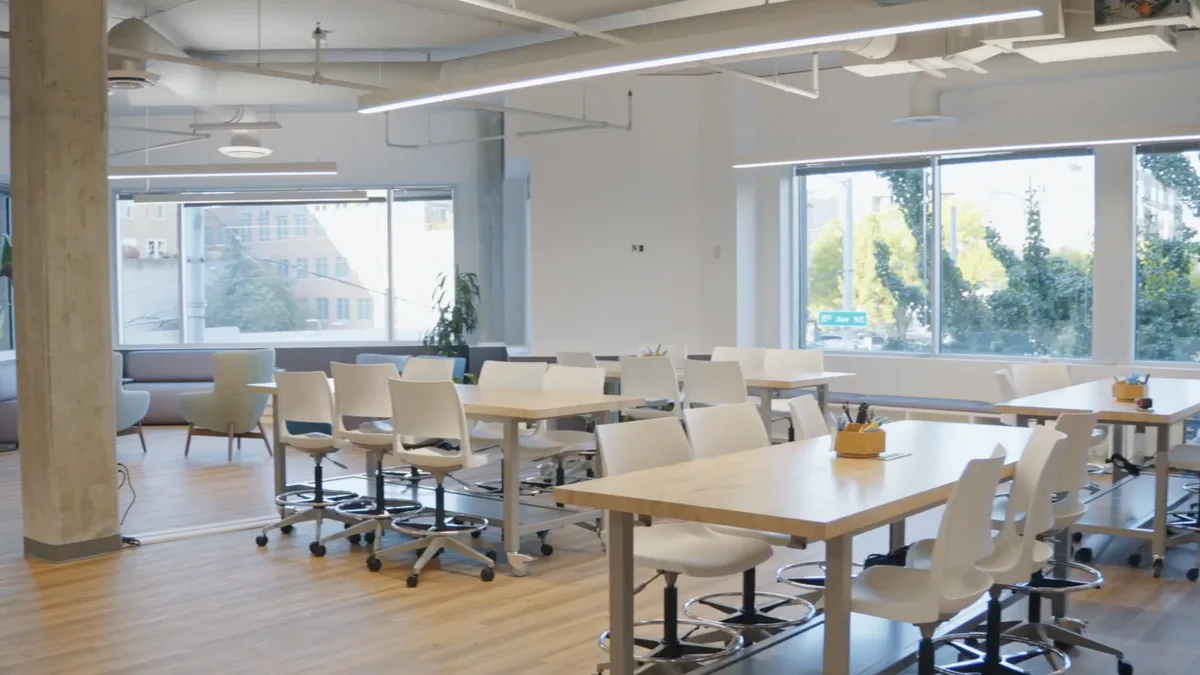
文首封面是 MHCI+D 官網 Engage 頁上的新工作室空間。圖片來源:華盛頓大學 MHCI+D 官網
UW MHCI+D 是什麼樣的碩士?適合設計背景嗎?
MHCI+D 於 2012 年成立,由華盛頓大學四個單位共同開辦:Paul G. Allen 電腦科學與工程學院、以人為本設計與工程系(HCDE)、資訊學院(Information School),以及藝術、藝術史與設計學院。官網的定位是把設計、技術與以人為本的研究方法交織在一起,用工作室(studio)實作加上研討課與講座的方式,在一年內讓學生具備進入科技業設計、研究與原型開發職位的能力。
申請頁寫明的最低條件只有:受認可大學的學士學位,以及換算成 4.0 制至少 3.0 的 GPA(可用全部課程、最近兩年,或本科專業課的 GPA 擇一計算)。它看重的是你「怎麼解決問題」:補充材料要求展示能體現創造、設計或迭代過程的項目,官網特別說明更在意你在原本領域中的解題過程,而不是你能否預先做出入學後才會做的作品。這對設計、建築背景的申請者是相當直接的優勢。
MHCI+D 要修哪些課?Capstone 畢業項目怎麼做?
全程 11 個月,從秋季學季開學前的 5 天密集工作坊開始,依學季排課:
- 開學前(2 學分):HCID 501 Immersion Studio,5 天密集工作坊,建立 HCI 與設計的核心概念和工作室學習方式。
- 秋季:HCID 530 可用性/使用者研究(3 學分);HCID 511 Ideation Studio 發想工作室(5 學分),聚焦辨識人的行為並用科技介入改變行為。
- 冬季:HCID 520 使用者介面軟硬體(3 學分);HCID 521 Prototyping Studio 原型工作室(5 學分),做實體運算、軟硬體整合與不同保真度的原型;HCID 540 Capstone 規劃(2 學分)。
- 春季:HCID 510 互動系統設計(3 學分);HCID 531 Research Studio 研究工作室(5 學分),把形成性與評估性研究方法用在 Capstone 上;以及作品集課程,準備線上作品集與作品集簡報。
- 夏季:HCID 541 Capstone Studio(8 學分),為期 9 週的密集課程,持續迭代設計、原型與評估。
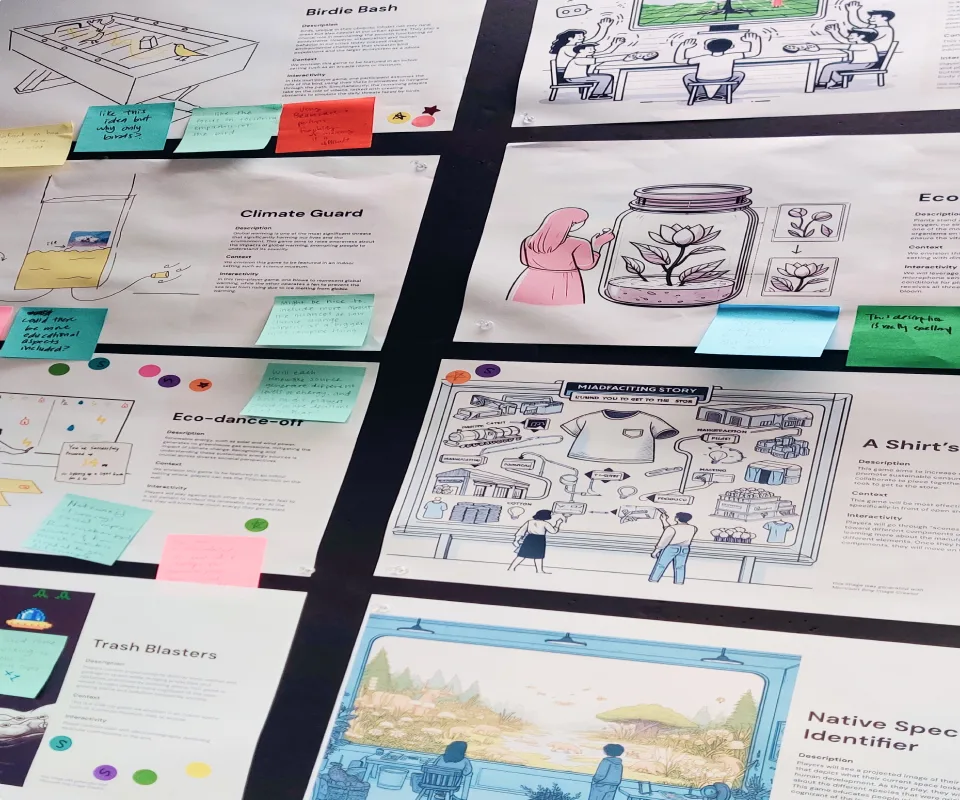
Capstone 是官網所說的課程基石:從冬季組隊、提出一個「未來的……」主題,到春季研究、夏季設計與製作,橫跨三個學季,學生團隊在教師與業界顧問指導下完成完整的解決方案或產品設計,題目可能涉及健康、環境、教育、輔助科技、零售或旅遊等領域,並在畢業前一天的公開 Capstone 展上發表。選修可從全校研究所程度(400 以上)課程中選,多數學生一年修 2 至 3 門,常見的有資料視覺化、互動設計、視覺溝通、質性研究方法、價值敏感設計等。
申請條件是什麼?雅思、托福要多少?
- 學歷與 GPA:學士學位或同等學歷;GPA 換算 4.0 制至少 3.0。
- TOEFL iBT:2026 年 1 月 21 日起的新制成績須達 5.0、口說至少 5.0;該日前的舊制成績須達 106、口說至少 26。不接受 MyBest 合併成績。
- IELTS:總分 7.5,口說至少 8.0。
- Duolingo:至少 135。
- 效期與豁免:成績在申請截止日時須未滿兩年。若在美國、英國、加拿大、澳洲、新加坡等官網列出的國家以英語授課取得學位(且在校就讀),或在其他國家取得可證明全英語授課的學士學位,可用學歷證明英文能力。
要交作品集嗎?申請材料有哪些?
- 個人陳述(Personal Statement):500–800 字,說明你對 HCI 與設計的興趣、課程哪些部分符合你的需要、為什麼是今年、過去經驗如何讓你準備好、如何把個人倫理放進工作,以及課程如何幫助長期目標。
- 履歷或 CV。
- 3 封推薦信:來自教師、導師、主管等學術或專業來源,不接受朋友、輔導員或神職人員;官網建議請推薦人寫出具體例子。
- 非正式成績單:自行上傳,非英文需附翻譯;錄取並接受後才需寄正式成績單。
- 補充材料(必交):一頁 PDF,寫上姓名與完整網址連結,內含 (1) 最能展示你創造、設計或迭代能力的項目,可以是設計作品集、GitHub、參與的研究項目或任何清楚標明你角色的開放式項目,放在作品集網站或雲端資料夾,不要直接上傳到申請系統;(2) 1 分鐘影片,介紹其中最讓你興奮的一個項目、你的角色與貢獻,以及這份熱情如何成為你帶進課程的優勢,可放在 YouTube、Vimeo 或雲端。
申請費 90 美元,由 UW 研究生院收取、不退費;費用減免只開放給符合資格的美國本地申請者。官網說明只有少數申請者會被面試,錄取或拒絕通知於 3 月中以 email 發出,錄取者約需在 4 月 15 日前回覆,另設有候補名單。
學費多少?有獎學金嗎?
- 學費:MHCI+D 是自負盈虧(self-sustaining)的收費課程,按學分計費,州內、州外與國際學生同價:每學分 1,383 美元,至少 46 學分,官網估算學費 63,618 美元;另有每學季的註冊費、科技費與 U-Pass 交通卡等必繳費用。
- 資助:官網說明多數學生以貸款和個人積蓄支付;因課程不受州政府撥款,不適用部分獎學金與學費減免計畫;符合資格者可申請 UW GSEE 的 Graduate Supplemental Award(依經濟需求、競爭激烈)。
- 其他:上課必須自備筆電。課程為 STEM 學位,畢業生可申請 12 個月 OPT,並可能符合再延長 24 個月的 STEM OPT。
2027 申請時間線怎麼排?
- 2026 年 10 月 1 日:2027-28 學年申請開放。
- 2026 年 11 月 16 日(週一)8:00–9:30、12 月 7 日(週一)16:00–17:30(美西時間):線上說明會(10 月 19 日場次已有錄影)。
- 2027 年 1 月 18 日:申請截止,送出後無法修改。
- 2027 年 3 月中:以 email 發出錄取與拒絕通知;錄取者約 4 月 15 日前回覆。
設計、建築背景怎麼準備最有利?
作者建議(非官方要求):MHCI+D 的補充材料只看「你的角色」和「你的解題過程」,所以設計、建築背景的申請者不必硬做 App 介面,與其放很多漂亮成品,不如挑 2 至 3 個項目,清楚交代問題怎麼被定義、你做了哪些研究與草模、怎麼根據回饋迭代。我們在 12,000+ 小時設計教學與設計諮詢中看到,從空間設計轉到 HCI 最有說服力的作品,往往是把一個空間或服務的使用者問題講清楚,再用原型驗證的完整過程;那支 1 分鐘影片則最好就講這個項目,讓審閱者聽到你自己的判斷。英文方面,IELTS 口說 8.0 的門檻比總分更難,建議盡早把口說當成第一個要解決的項目。想比較匹茲堡的同類課程,可參考我們的 CMU 人機交互碩士 MHCI 申請整理。
官方查核來源:UW MHCI+D 課程首頁、申請、學費與國際學生資訊、職涯發展、Engage 頁(2026 年 10 月查核)。
结论先讲:华盛顿大学(University of Washington,西雅图)的 Master of Human-Computer Interaction + Design(MHCI+D,人机交互与设计硕士)是一个 11 个月、以同届小组(cohort)为单位的全日制专业硕士,属 STEM 学位,毕业至少修 46 学分(核心 39 学分+选修至少 7 学分),核心是横跨冬、春、夏三个学季的 Capstone 毕业项目。2027-28 学年申请已于 10 月 1 日开放,截止日是 2027 年 1 月 18 日。它和多数 HCI 硕士最大的不同是:作品/项目材料加 1 分钟视频是必交的补充材料,对设计、建筑背景很友善;英文门槛也高:IELTS 总分 7.5 且口说至少 8.0,或新制 TOEFL iBT 5.0 且口说 5.0。官网估算学费约 63,618 美元。
以下内容于 2026 年 10 月对照 UW MHCI+D 官网的课程首页、申请页(Apply)、职涯发展页(Grow)查核。早期流传的数据(例如托福 80、雅思 6 的最低分、约 6 万美元的平均学费)已改为官网现行要求;无法在官网查到出处的数字一律删除。
文首封面是 MHCI+D 官网 Engage 页上的新工作室空间。图片来源:华盛顿大学 MHCI+D 官网
UW MHCI+D 是什么样的硕士?适合设计背景吗?
MHCI+D 于 2012 年成立,由华盛顿大学四个单位共同开办:Paul G. Allen 计算机科学与工程学院、以人为本设计与工程系(HCDE)、信息学院(Information School),以及艺术、艺术史与设计学院。官网的定位是把设计、技术与以人为本的研究方法交织在一起,用工作室(studio)实作加上研讨课与讲座的方式,在一年内让学生具备进入科技业设计、研究与原型开发职位的能力。
申请页写明的最低条件只有:受认可大学的学士学位,以及换算成 4.0 制至少 3.0 的 GPA(可用全部课程、最近两年,或本科专业课的 GPA 择一计算)。它看重的是你「怎么解决问题」:补充材料要求展示能体现创造、设计或迭代过程的项目,官网特别说明更在意你在原本领域中的解题过程,而不是你能否预先做出入学后才会做的作品。这对设计、建筑背景的申请者是相当直接的优势。
MHCI+D 要修哪些课?Capstone 毕业项目怎么做?
全程 11 个月,从秋季学季开学前的 5 天密集工作坊开始,依学季排课:
- 开学前(2 学分):HCID 501 Immersion Studio,5 天密集工作坊,创建 HCI 与设计的核心概念和工作室学习方式。
- 秋季:HCID 530 可用性/使用者研究(3 学分);HCID 511 Ideation Studio 发想工作室(5 学分),聚焦辨识人的行为并用科技介入改变行为。
- 冬季:HCID 520 使用者界面软硬件(3 学分);HCID 521 Prototyping Studio 原型工作室(5 学分),做实体运算、软硬件集成与不同保真度的原型;HCID 540 Capstone 规划(2 学分)。
- 春季:HCID 510 互动系统设计(3 学分);HCID 531 Research Studio 研究工作室(5 学分),把形成性与评估性研究方法用在 Capstone 上;以及作品集课程,准备在线作品集与作品集简报。
- 夏季:HCID 541 Capstone Studio(8 学分),为期 9 周的密集课程,持续迭代设计、原型与评估。
Capstone 是官网所说的课程基石:从冬季组队、提出一个「未来的……」主题,到春季研究、夏季设计与制作,横跨三个学季,学生团队在教师与业界顾问指导下完成完整的解决方案或产品设计,题目可能涉及健康、环境、教育、辅助科技、零售或旅游等领域,并在毕业前一天的公开 Capstone 展上发表。选修可从全校研究所程度(400 以上)课程中选,多数学生一年修 2 至 3 门,常见的有数据可视化、互动设计、视觉沟通、质性研究方法、价值敏感设计等。
申请条件是什么?雅思、托福要多少?
- 学历与 GPA:学士学位或同等学历;GPA 换算 4.0 制至少 3.0。
- TOEFL iBT:2026 年 1 月 21 日起的新制成绩须达 5.0、口说至少 5.0;该日前的旧制成绩须达 106、口说至少 26。不接受 MyBest 合并成绩。
- IELTS:总分 7.5,口说至少 8.0。
- Duolingo:至少 135。
- 效期与豁免:成绩在申请截止日时须未满两年。若在美国、英国、加拿大、澳洲、新加坡等官网列出的国家以英语授课取得学位(且在校就读),或在其他国家取得可证明全英语授课的学士学位,可用学历证明英文能力。
要交作品集吗?申请材料有哪些?
- 个人陈述(Personal Statement):500–800 字,说明你对 HCI 与设计的兴趣、课程哪些部分符合你的需要、为什么是今年、过去经验如何让你准备好、如何把个人伦理放进工作,以及课程如何帮助长期目标。
- 履历或 CV。
- 3 封推荐信:来自教师、导师、主管等学术或专业来源,不接受朋友、辅导员或神职人员;官网建议请推荐人写出具体例子。
- 非正式成绩单:自行上传,非英文需附翻译;录取并接受后才需寄正式成绩单。
- 补充材料(必交):一页 PDF,写上姓名与完整网址链接,内含 (1) 最能展示你创造、设计或迭代能力的项目,可以是设计作品集、GitHub、参与的研究项目或任何清楚标明你角色的开放式项目,放在作品集网站或云端文件夹,不要直接上传到申请系统;(2) 1 分钟视频,介绍其中最让你兴奋的一个项目、你的角色与贡献,以及这份热情如何成为你带进课程的优势,可放在 YouTube、Vimeo 或云端。
申请费 90 美元,由 UW 研究生院收取、不退费;费用减免只开放给符合资格的美国本地申请者。官网说明只有少数申请者会被面试,录取或拒绝通知于 3 月中以 email 发出,录取者约需在 4 月 15 日前回复,另设有候补名单。
学费多少?有奖学金吗?
- 学费:MHCI+D 是自负盈亏(self-sustaining)的收费课程,按学分计费,州内、州外与国际学生同价:每学分 1,383 美元,至少 46 学分,官网估算学费 63,618 美元;另有每学季的注册费、科技费与 U-Pass 交通卡等必缴费用。
- 资助:官网说明多数学生以贷款和个人积蓄支付;因课程不受州政府拨款,不适用部分奖学金与学费减免计划;符合资格者可申请 UW GSEE 的 Graduate Supplemental Award(依经济需求、竞争激烈)。
- 其他:上课必须自备笔电。课程为 STEM 学位,毕业生可申请 12 个月 OPT,并可能符合再延长 24 个月的 STEM OPT。
2027 申请时间线怎么排?
- 2026 年 10 月 1 日:2027-28 学年申请开放。
- 2026 年 11 月 16 日(周一)8:00–9:30、12 月 7 日(周一)16:00–17:30(美西时间):在线说明会(10 月 19 日场次已有录像)。
- 2027 年 1 月 18 日:申请截止,送出后无法修改。
- 2027 年 3 月中:以 email 发出录取与拒绝通知;录取者约 4 月 15 日前回复。
设计、建筑背景怎么准备最有利?
作者建议(非官方要求):MHCI+D 的补充材料只看「你的角色」和「你的解题过程」,所以设计、建筑背景的申请者不必硬做 App 界面,与其放很多漂亮成品,不如挑 2 至 3 个项目,清楚交代问题怎么被定义、你做了哪些研究与草模、怎么根据回馈迭代。我们在 12,000+ 小时设计教学与设计咨询中看到,从空间设计转到 HCI 最有说服力的作品,往往是把一个空间或服务的使用者问题讲清楚,再用原型验证的完整过程;那支 1 分钟视频则最好就讲这个项目,让审阅者听到你自己的判断。英文方面,IELTS 口说 8.0 的门槛比总分更难,建议尽早把口说当成第一个要解决的项目。想比较匹兹堡的同类课程,可参考我们的 CMU 人机交互硕士 MHCI 申请整理。
官方查核来源:UW MHCI+D 课程首页、申请、学费与国际学生信息、职涯发展、Engage 页(2026 年 10 月查核)。
The short answer: the University of Washington's Master of Human-Computer Interaction + Design (MHCI+D) in Seattle is an 11-month, cohort-based, full-time professional master's and a STEM-designated degree. Students earn at least 46 credits (39 core credits plus at least 7 elective credits), built around a Capstone that runs across the winter, spring and summer quarters. Applications for 2027-28 opened on 1 October and close on 18 January 2027. What sets it apart from many HCI master's is that project materials plus a one-minute video are required supplementary materials, which suits design and architecture applicants well. The English bar is high: IELTS 7.5 overall with at least 8.0 in speaking, or TOEFL iBT 5.0 on the new scale with a speaking score of at least 5.0. The website estimates tuition at US$63,618.
Everything below was checked in October 2026 against the MHCI+D website's overview, Apply and Grow pages. Earlier figures in circulation (such as minimums of TOEFL 80 and IELTS 6, or average tuition of about US$60,000) have been replaced with the current official requirements, and any number without an official source has been removed.
The cover shows the new studio space featured on the Engage page of the MHCI+D website. Image source: University of Washington MHCI+D website
What kind of master's is UW's MHCI+D, and does it suit design graduates?
MHCI+D was founded in 2012 as a joint initiative of four UW units: the Paul G. Allen School of Computer Science & Engineering, Human Centered Design and Engineering (HCDE), the Information School and the School of Art, Art History & Design. The website describes a programme that interleaves design, technology and human-centred research methods, combining hands-on studio learning with seminars and lectures to prepare students for demanding technology careers in a single year.
The stated minimum requirements are simply a bachelor's degree from an accredited institution and a GPA of at least 3.0 on a 4.0 scale (calculated on the whole degree, the last two years, or courses in your major). What matters is how you solve problems: the supplementary materials ask for projects that show your ability to create, design or iterate, and the website stresses that it is more interested in your problem-solving process within your own field than in anticipating the work you might do after the programme. That is a direct advantage for design and architecture applicants.
What do MHCI+D students study, and how does the Capstone work?
The 11-month programme begins with a five-day intensive before the autumn quarter and is organised by quarter:
- Pre-autumn (2 credits): HCID 501 Immersion Studio, a five-day workshop introducing core HCI and design ideas and studio-based learning.
- Autumn: HCID 530 Usability/User Research (3 credits) and HCID 511 Ideation Studio (5 credits), which focuses on identifying human behaviours and using technology interventions to change them.
- Winter: HCID 520 on user interface software and hardware (3 credits); HCID 521 Prototyping Studio (5 credits), covering physical computing, hardware-software integration and prototypes of varying fidelity; and HCID 540 Capstone Planning (2 credits).
- Spring: HCID 510 Design of Interactive Systems (3 credits); HCID 531 Research Studio (5 credits), applying formative and evaluative research to the Capstone; and a portfolio course preparing an online portfolio and portfolio presentation.
- Summer: HCID 541 Capstone Studio (8 credits), a nine-week intensive of iterative design, prototyping and evaluation.
The website calls the Capstone the cornerstone of the programme. Spanning three quarters, from forming teams around a "future of" topic in winter to research in spring and design and build in summer, student teams work with faculty and industry advisors to produce a comprehensive solution or product design, in domains such as health, the environment, education, assistive technology, retail or travel, and present it at a public Capstone Showcase the day before graduation. Electives can be chosen from graduate-level (400 and above) courses across campus; most students take two or three, with popular options including data visualisation, interaction design, visual communication, qualitative research methods and value sensitive design.
What are the entry requirements, and what IELTS or TOEFL score do I need?
- Degree and GPA: a bachelor's degree or equivalent, with a GPA of at least 3.0 on a 4.0 scale.
- TOEFL iBT: for tests taken from 21 January 2026, 5.0 with a speaking score of at least 5.0; for earlier tests, 106 with a speaking score of at least 26. MyBest composite scores are not accepted.
- IELTS: 7.5 overall with a speaking score of at least 8.0.
- Duolingo: at least 135.
- Validity and alternatives: scores must be less than two years old at the application deadline. A degree taught in English from an institution in one of the listed countries (including the US, UK, Canada, Australia and Singapore, with on-campus residence), or a bachelor's degree from elsewhere with verified English-medium instruction, can also meet the requirement.
Do I need a portfolio, and what are the application materials?
- Personal statement: 500–800 words on your interest in HCI and design, which parts of the programme fit your needs, why this year, how your experience has prepared you, how you will bring your personal ethics into your work and how the programme supports your longer-term goals.
- Résumé or CV.
- Three letters of recommendation: from academic or professional sources such as faculty, mentors or supervisors, not personal friends, counsellors or ministers; the website notes that letters with specific examples are often strongest.
- Unofficial transcripts: uploaded by you, with translations if not in English; official transcripts are needed only after accepting an offer.
- Supplementary materials (required): a one-page PDF with your name and full URLs, covering (1) projects that best demonstrate your ability to create, design or iterate, such as a design portfolio, GitHub page, research project or any open-ended project with your role clearly defined, hosted on a website or shared folder rather than uploaded to the application; and (2) a one-minute video discussing the project that most excites you, your role and contributions, and how that enthusiasm reflects the strengths you would bring, hosted on YouTube, Vimeo or cloud storage.
The non-refundable US$90 application fee is charged by the UW Graduate School; fee waivers are available only to eligible domestic applicants. Only some applicants are interviewed. Offers and denials are emailed in mid-March, admitted students are asked to reply by around 15 April, and a limited waitlist is used.
How much is tuition, and is there funding?
- Tuition: MHCI+D is a self-sustaining, fee-based programme charged per credit, at the same rate for Washington residents, non-residents and international students: US$1,383 per credit for at least 46 credits, giving an estimated tuition of US$63,618. Quarterly registration and technology fees and the U-Pass transit pass are charged on top.
- Funding: the website says most students combine loans and personal savings. Because the programme receives no state funding, it does not qualify for some scholarships and tuition exemption programmes; eligible students may apply for a need-based, highly competitive Graduate Supplemental Award through UW's GSEE.
- Other: every student must have a laptop. As a STEM programme, graduates are eligible for 12 months of OPT and may qualify for a further 24-month STEM OPT extension.
What is the 2027 application timeline?
- 1 October 2026: applications for 2027-28 open.
- Monday 16 November 2026, 8:00–9:30 am PST, and Monday 7 December 2026, 4:00–5:30 pm PST: online information sessions (the 19 October session is available as a recording).
- 18 January 2027: application deadline; no changes can be made after submission.
- Mid-March 2027: offers and denials are sent by email; admitted students reply by around 15 April.
How should design and architecture applicants prepare?
The author's advice (not an official requirement): MHCI+D's supplementary materials focus on your role and your problem-solving process, so design and architecture applicants do not need to force out app interfaces. Rather than many polished results, choose two or three projects and show clearly how the problem was framed, what research and study models you made and how you iterated on feedback. Across 12,000+ hours of design teaching and design consultation, we have seen that the most convincing work from applicants moving from spatial design into HCI usually sets out a user problem in a space or service and then tests it with prototypes; the one-minute video is best spent on that same project, so reviewers hear your own judgement. On English, the IELTS 8.0 speaking threshold is harder than the overall score, so treat speaking as the first item to secure. To compare a similar programme in Pittsburgh, see our guide to applying for CMU's MHCI.
Official sources checked: UW MHCI+D overview, admissions, tuition and international student information, career development and the Engage page (checked October 2026).
English summary
A guide to the University of Washington's Master of Human-Computer Interaction + Design (MHCI+D), checked against official sources in October 2026. Founded in 2012 by four UW units, the programme is an 11-month, cohort-based full-time STEM master's of at least 46 credits, built around a three-quarter Capstone. It requires a bachelor's degree, a 3.0 GPA and high English scores (IELTS 7.5 with 8.0 speaking, or TOEFL iBT 5.0 with 5.0 speaking on the new scale). Required materials include a personal statement, three letters, a one-page PDF of project links and a one-minute video. Tuition is estimated at US$63,618, and 2027-28 applications close on 18 January 2027.
常見問題常见问题FAQ
UW MHCI+D 讀多久?學費多少?UW MHCI+D 读多久?学费多少?How long is UW MHCI+D, and how much does it cost?
11 個月全日制,至少 46 學分;學費每學分 1,383 美元,官網估算 63,618 美元,州內外與國際學生同價,另有每學季註冊費、科技費與 U-Pass 等費用。
11 个月全日制,至少 46 学分;学费每学分 1,383 美元,官网估算 63,618 美元,州内外与国际学生同价,另有每学季注册费、科技费与 U-Pass 等费用。
It is an 11-month full-time programme of at least 46 credits; tuition is US$1,383 per credit, an estimated US$63,618, the same for residents, non-residents and international students, plus quarterly registration, technology and U-Pass fees.
雅思、托福要多少分?雅思、托福要多少分?What IELTS or TOEFL score is required?
IELTS 總分 7.5 且口說至少 8.0;TOEFL iBT 2026 年 1 月 21 日起新制 5.0 且口說 5.0,該日前舊制 106 且口說 26;或 Duolingo 135。成績在截止日時須未滿兩年。
IELTS 总分 7.5 且口说至少 8.0;TOEFL iBT 2026 年 1 月 21 日起新制 5.0 且口说 5.0,该日前旧制 106 且口说 26;或 Duolingo 135。成绩在截止日时须未满两年。
IELTS 7.5 with at least 8.0 in speaking; TOEFL iBT 5.0 with 5.0 speaking for tests from 21 January 2026, or 106 with 26 speaking for earlier tests; or Duolingo 135. Scores must be less than two years old at the deadline.
一定要交作品集嗎?一定要交作品集吗?Is a portfolio required?
要交補充材料:一頁 PDF 附上能展示創造、設計或迭代能力的項目連結(設計作品集、GitHub、研究項目等皆可),以及一支介紹其中一個項目的 1 分鐘影片;作品不要直接上傳到申請系統。
要交补充材料:一页 PDF 附上能展示创造、设计或迭代能力的项目链接(设计作品集、GitHub、研究项目等皆可),以及一支介绍其中一个项目的 1 分钟视频;作品不要直接上传到申请系统。
Supplementary materials are required: a one-page PDF linking to projects that show your ability to create, design or iterate (a design portfolio, GitHub page or research project all work), plus a one-minute video about one of those projects; do not upload the work to the application itself.
設計或建築背景可以申請嗎?设计或建筑背景可以申请吗?Can I apply with a design or architecture background?
可以。最低條件是學士學位與 GPA 3.0,官網說明更重視你在原本領域中的解題過程,而不是預先做出入學後才會做的作品。
可以。最低条件是学士学位与 GPA 3.0,官网说明更重视你在原本领域中的解题过程,而不是预先做出入学后才会做的作品。
Yes. The minimum requirements are a bachelor's degree and a 3.0 GPA, and the website says it values your problem-solving process within your own field more than work anticipating what you would do after the programme.
2027 入學什麼時候截止?何時發榜?2027 入学什么时候截止?何时发榜?When is the 2027 deadline, and when are decisions released?
申請於 2026 年 10 月 1 日開放,2027 年 1 月 18 日截止;錄取與拒絕通知於 3 月中以 email 發出,錄取者約需在 4 月 15 日前回覆。
申请于 2026 年 10 月 1 日开放,2027 年 1 月 18 日截止;录取与拒绝通知于 3 月中以 email 发出,录取者约需在 4 月 15 日前回复。
Applications opened on 1 October 2026 and close on 18 January 2027; offers and denials are emailed in mid-March, and admitted students reply by around 15 April.
訂閱新文章订阅新文章Subscribe
新文章會寄到這個信箱。新文章会寄到这个邮箱。New posts will be emailed to this address.
已訂閱。已订阅。Subscribed.暫時無法訂閱,請稍後再試。暂时无法订阅,请稍后再试。Could not subscribe. Please try again.相關文章相关文章Related posts
 亞利桑那州立大學建築碩士 ASU M.Arch 怎麼申請?2 年 54 學分與 3 年 78 學分、1 月 15 日優先截止、SlideRoom 作品集與每學期學費(2026 年 11 月官網查核)亚利桑那州立大学建筑硕士 ASU M.Arch 怎么申请?2 年 54 学分与 3 年 78 学分、1 月 15 日优先截止、SlideRoom 作品集与每学期学费(2026 年 11 月官网查核)How to apply to the Arizona State University Master of Architecture (M.Arch): the 2-year 54-credit and 3-year 78-credit tracks, the 15 January priority deadline, the SlideRoom portfolio and per-semester costs (checked November 2026)亞利桑那州立大學 The Design School 的 M.Arch 是 NAAB 認證的專業學位:建築 pre-professional 學士讀 2-year track、54 學分;其他科系讀 3-year track、78 學分,都有 Tempe 實體與線上兩種方式。官網的秋季截止日是 01/15(Priority)與 05/01(Final),沒有印年份;2027 年 1 月 15 日與 2027 年 5 月 1 日是本文針對 2027 年秋季入學的推算。作品集與 letter of intent 交到 SlideRoom,頁數規定:尚缺。官方 Tuition Estimator 以每學期 12 學分印出的 2026-2027 學年國際生金額是 Fall 2026 一學期 US$26,685、Spring 2027 一學期 US$27,403、學年合計 US$54,088;2027 年秋季入學那一年的費率與全學程總花費:尚缺。2026 年 11 月 23 日官網查核。亚利桑那州立大学 The Design School 的 M.Arch 是 NAAB 认证的专业学位:建筑 pre-professional 学士读 2-year track、54 学分;其他科系读 3-year track、78 学分,都有 Tempe 实体与在线两种方式。官网的秋季截止日是 01/15(Priority)与 05/01(Final),没有印年份;2027 年 1 月 15 日与 2027 年 5 月 1 日是本文针对 2027 年秋季入学的推算。作品集与 letter of intent 交到 SlideRoom,页数规定:尚缺。官方 Tuition Estimator 以每学期 12 学分印出的 2026-2027 学年国际生金额是 Fall 2026 一学期 US$26,685、Spring 2027 一学期 US$27,403、学年合计 US$54,088;2027 年秋季入学那一年的费率与全学程总花费:尚缺。2026 年 11 月 23 日官网查核。The Arizona State University Design School M.Arch is a NAAB-accredited professional degree: pre-professional architecture graduates take the 2-year track of 54 credit hours and graduates of other fields the 3-year track of 78, in person in Tempe or online. The official fall deadlines are 01/15 (Priority) and 05/01 (Final) with no year; Jan 15, 2027 and May 1, 2027 are this post’s inference for autumn 2027 entry. The portfolio and letter of intent go to SlideRoom; a page limit is not available. At 12 credit hours per semester, the official Tuition Estimator prints international totals for 2026-2027 of US$26,685 for the Fall 2026 semester, US$27,403 for the Spring 2027 semester and US$54,088 for the academic year; rates for the year of autumn 2027 entry and a whole-programme total are not available. Checked against official pages on 23 November 2026.
 德州農工大學建築碩士 Texas A&M M.Arch 怎麼申請?兩年 55 學分、Career Change 先修、12 月 3 日截止、16:9 PDF 作品集與每學期學費(2026 年 11 月官網查核)德州农工大学建筑硕士 Texas A&M M.Arch 怎么申请?两年 55 学分、Career Change 先修、12 月 3 日截止、16:9 PDF 作品集与每学期学费(2026 年 11 月官网查核)How to apply to the Texas A&M University Master of Architecture (M.Arch): two years and 55 credit hours, the Career Change route, the 3 December deadline, the 16:9 PDF portfolio and per-semester costs (checked November 2026)德州農工大學 Department of Architecture 的 M.Arch 是 NAAB 認證的專業學位(pre-professional degree + 55 graduate credits):建築 pre-professional 學士讀兩年、55 學分;其他科系的人先讀 42 學分的 Career Change 再進 M.Arch。截止日官網只寫「Dec. 3」,沒有印年份;2026 年 12 月 3 日是本文針對 2027 年秋季入學的推算。作品集交高解析度 PDF(16:9 跨頁為佳)、至少六個設計課作品。學費按每學分、每學期計,官方計算器最新只到 Fall 2026 or Spring 2027:每學分 Texas 居民 US$286.89、非居民 US$836.40(非居民前一期是 US$813.40),另有每學期的 Required Fees 與 Architecture Graduate Program Fee。2027 年秋季入學從 Fall 2027 開始繳費,Fall 2027/Spring 2028 費率:尚缺,現行費率僅供參考;學年與全學程總額:尚缺。德州农工大学 Department of Architecture 的 M.Arch 是 NAAB 认证的专业学位(pre-professional degree + 55 graduate credits):建筑 pre-professional 学士读两年、55 学分;其他科系的人先读 42 学分的 Career Change 再进 M.Arch。截止日官网只写「Dec. 3」,没有印年份;2026 年 12 月 3 日是本文针对 2027 年秋季入学的推算。作品集交高分辨率 PDF(16:9 跨页为佳)、至少六个设计课作品。学费按每学分、每学期计,官方计算器最新只到 Fall 2026 or Spring 2027:每学分 Texas 居民 US$286.89、非居民 US$836.40(非居民前一期是 US$813.40),另有每学期的 Required Fees 与 Architecture Graduate Program Fee。2027 年秋季入学从 Fall 2027 开始缴费,Fall 2027/Spring 2028 费率:尚缺,现行费率仅供参考;学年与全学程总额:尚缺。The Texas A&M University Department of Architecture M.Arch is a NAAB-accredited professional degree (“pre-professional degree + 55 graduate credits”): pre-professional architecture graduates take two years and 55 credit hours, while graduates of other fields first take the 42-credit-hour Career Change programme and then enter the M.Arch. The official pages say only “Dec. 3” for the deadline, with no year; 3 December 2026 is this post’s inference for autumn 2027 entry. The portfolio is a high-resolution PDF (16:9 spreads preferred) with at least six design studio projects. Tuition is charged per credit hour, per semester, and the official calculator’s latest published option is Fall 2026 or Spring 2027: US$286.89 for Texas residents and US$836.40 for non-residents (the non-resident rate was US$813.40 in the previous period), plus per-semester Required Fees and an Architecture Graduate Program Fee. Autumn 2027 entrants start paying in Fall 2027; Fall 2027 / Spring 2028 rates: not available, so current rates are for reference only. Academic-year and whole-programme totals are not available.
 杜蘭大學建築碩士 Tulane M.Arch 怎麼申請?3.5 年/Advanced Standing 兩條路、STEM OPT、1 月 15 日截止、作品集與學費(2026 年 11 月官網查核)杜兰大学建筑硕士 Tulane M.Arch 怎么申请?3.5 年/Advanced Standing 两条路、STEM OPT、1 月 15 日截止、作品集与学费(2026 年 11 月官网查核)How to apply to the Tulane University Master of Architecture (M.Arch): the 3.5-year and advanced-standing paths, STEM OPT, the 15 January deadline, the portfolio and costs (checked November 2026)杜蘭大學建築學院 M.Arch 是 NAAB 認證的專業學位,官網註明歸在 CIP 代碼 04.0902、國際學生可申請 STEM OPT 延長:任何科系學士走 3.5 年制,7 個學期(從暑期開始)、111 學分;建築 pre-professional 學士申請 Advanced Standing,官網寫 2 到 3 年(學程頁寫最多抵 40 學分,認證頁寫 2 年路徑要修 64–65 學分,兩頁不同,見內文)。截止日官網只寫「December 1」提前申請與「January 15」一般截止,沒有印年份;2026 年 12 月 1 日 與 2027 年 1 月 15 日 是本文針對 2027 年入學的推算,不是學校印出的年份,送出前請再確認;2 月中前放榜。2026–2027 學年學費 US$64,372(秋+春,公布費率),四項必繳雜費每學期收,生活費為官網估算;國際學生一般須加保 T-SHIP(2026–2027 全學年 US$4,347,另計;Spring/Summer 2027 的 US$2,632 只給春季學期入學新生,不是暑期入學的保費);2027 年暑期與 2027–2028 學年的費率尚未公布:尚缺。申請費、GRE、作品集頁數上限:尚缺。(2026-11-22 官網查核)杜兰大学建筑学院 M.Arch 是 NAAB 认证的专业学位,官网注明归在 CIP 代码 04.0902、国际学生可申请 STEM OPT 延长:任何科系学士走 3.5 年制,7 个学期(从暑期开始)、111 学分;建筑 pre-professional 学士申请 Advanced Standing,官网写 2 到 3 年(学程页写最多抵 40 学分,认证页写 2 年路径要修 64–65 学分,两页不同,见内文)。截止日官网只写「December 1」提前申请与「January 15」一般截止,没有印年份;2026 年 12 月 1 日 与 2027 年 1 月 15 日 是本文针对 2027 年入学的推算,不是学校印出的年份,送出前请再确认;2 月中前放榜。2026–2027 学年学费 US$64,372(秋+春,公布费率),四项必缴杂费每学期收,生活费为官网估算;国际学生一般须加保 T-SHIP(2026–2027 全学年 US$4,347,另计;Spring/Summer 2027 的 US$2,632 只给春季学期入学新生,不是暑期入学的保费);2027 年暑期与 2027–2028 学年的费率尚未公布:尚缺。申请费、GRE、作品集页数上限:尚缺。(2026-11-22 官网查核)The Tulane University M.Arch is a NAAB-accredited professional degree that the school states is classified under CIP code 04.0902, with international graduates eligible for the STEM OPT extension: graduates of any field take the 3.5-year curriculum of seven semesters (starting in the summer) and 111 credits, and pre-professional architecture graduates apply for advanced standing, described as a two-to-three-year option (the programme page says up to 40 credits may be granted, the accreditation page lists 64–65 credits for the two-year path; the two pages differ, see the body). The official page says only “December 1” for early admission and “January 15” for regular decision, with no year; 1 December 2026 and 15 January 2027 are this post’s inference for 2027 entry, not years printed by the school, so confirm before you submit; decisions come by mid-February. Tuition for 2026–2027 is US$64,372 for autumn and spring (published rate), the four mandatory fees are charged per semester, and living costs are the school’s estimates; international students are generally required to take T-SHIP insurance (US$4,347 for the full 2026–2027 year, charged separately; the Spring/Summer 2027 rate of US$2,632 is for new spring-semester arrivals, not summer starters); summer 2027 and 2027–2028 rates have not been published: not available. The application fee, the GRE and any portfolio page limit are not available. (Checked on official pages, 22 November 2026.)