卡內基美隆大學娛樂科技碩士 CMU ETC 怎麼申請?2027 入學兩年課程、作品集、托福雅思、學費與就業(2026 年 10 月官網查核)卡内基美隆大学娱乐科技硕士 CMU ETC 怎么申请?2027 入学两年课程、作品集、托福雅思、学费与就业(2026 年 10 月官网查核)How to apply to Carnegie Mellon's Master of Entertainment Technology (CMU ETC): 2027 curriculum, portfolio, TOEFL/IELTS, fees and careers (checked October 2026)
用微信掃描這張 QR code 即可分享。用微信扫描这张 QR code 即可分享。Scan this QR code with WeChat to share.
掃描或下載這張 QR code。扫描或下载这张 QR code。Scan or download this QR code.
結論先講:卡內基美隆大學(Carnegie Mellon University,CMU)的 Master of Entertainment Technology(MET,娛樂科技碩士)由娛樂科技中心(Entertainment Technology Center,ETC)開設,ETC 是 CMU 計算機科學學院與美術學院合辦的跨領域中心,位於匹茲堡。這是一個 兩年、四個全日制學期的專業碩士:第一學期是四門必修的「沉浸學期」,之後三個學期每學期做一個 14 週的團隊項目,做出能實際運作的遊戲、互動體驗或原型。申請時 作品集與 GRE 可二選一或都交,作品集必須是網站;英文要求偏高:IELTS 總分與每個單項都要 7、舊制 TOEFL 92 且每項 23(2026 年 1 月起的新制為總分與單項 5.0)、或 Duolingo 130。官網表示 1 月 15 日後開始審查,推薦信等材料須在 2 月 1 日前送達,3 月 15 日公布結果。依 CMU 學生財務處 2026–27 學年費用表,學費一年 61,628 美元,含生活費等的總就學費用約 99,002 美元。
以下內容於 2026 年 10 月對照 ETC 官網的介紹、學術、課程、設施、職涯、申請與學費頁,以及 CMU 學生財務處費用表查核。早期流傳的「GRE 建議 325 分」「雅思 7.5」等說法在官網查不到出處,已刪除或改為官網現行要求。
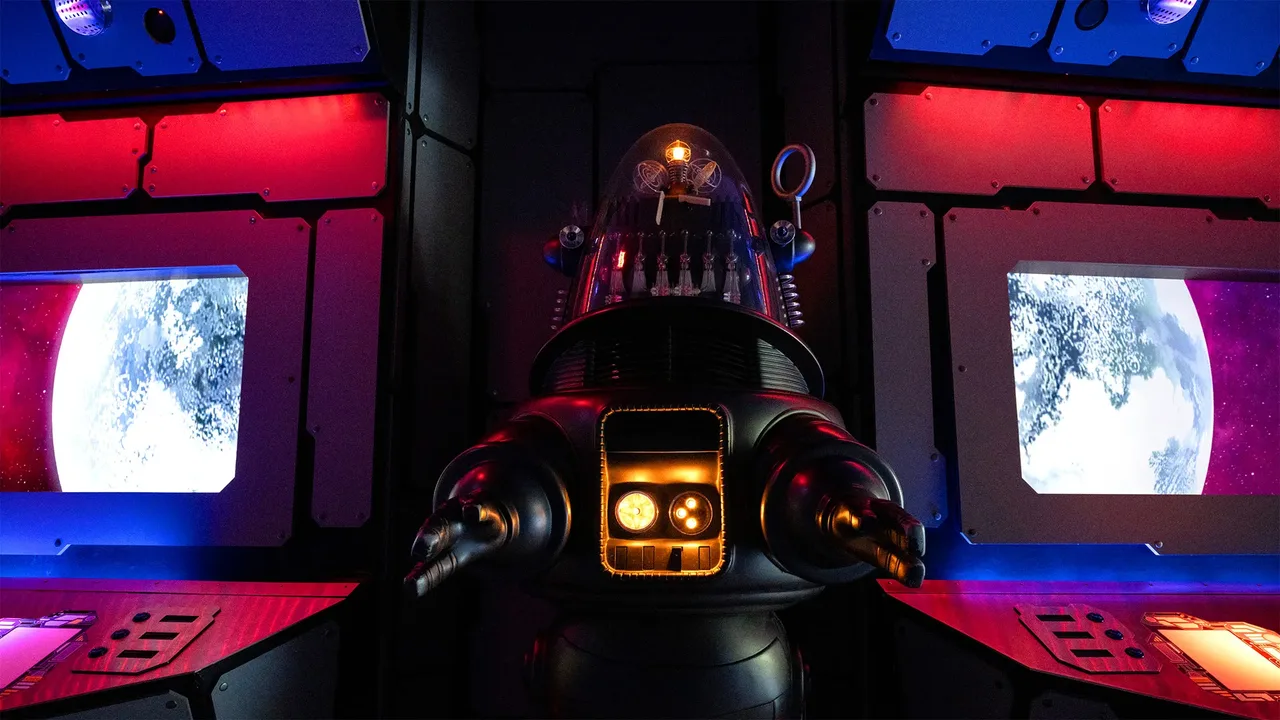
文首封面是 ETC 設施頁的主視覺:在霓虹燈光的展示艙中,一具復古機器人站在兩面圓窗螢幕之間。圖片來源:卡內基美隆大學 ETC 官網
CMU ETC 娛樂科技碩士是什麼?適合誰讀?
ETC 在 1999 年由計算機科學教授 Randy Pausch(《最後的演講》作者)與戲劇教授 Don Marinelli 創立,定位是藝術與科技交會的地方。官網說畢業生進入的產業包括遊戲、影視、主題樂園等實體娛樂、軟體開發、人工智慧,以及「還沒有名字的新領域」。
它不是傳統的研究型碩士,而是以 團隊做東西 為核心:學生來自電腦、工程、藝術、設計、戲劇、寫作等各種背景,官網直說「我們不再把申請者分成技術人或藝術家」。如果你喜歡跨領域合作、想做遊戲、互動裝置、XR、主題樂園體驗或教育遊戲,ETC 很對口;如果你想要一年讀完,或想邊工作邊讀,就不適合,官網說課程無法在兩年內提早完成,也強烈不建議在系外打工(系內助教等工作除外)。
兩年課程怎麼安排?要修哪些課?
- 第一學期:沉浸學期(Immersion Semester)。四門必修課:Building Virtual Worlds(由 Randy Pausch 開創,跨背景組隊快速做出虛擬世界,學期末在年度最大活動 Fall Festival 展出)、Visual Story(學電影語言與導演手法,應用到遊戲、主題樂園與數位體驗)、Improvisational Acting(即興表演,用來練團隊信任與臨場反應)、ETC Fundamentals(建立娛樂科技的共同語彙,並開始經營業界人脈)。
- 後三個學期:項目課。每學期換一個新項目,14 週內由跨領域團隊在教師指導下做出可運作的作品或可玩的原型;很多項目有外部客戶,例如企業、非營利組織或學區。項目可能是學生自己提案,也可能是為客戶解題。
- 選修:第一學期後每學期選一門選修,可修 ETC 的課,也可修 CMU 其他學院的課。
- 轉化遊戲(Transformational Play)方向:與 CMU 轉化遊戲中心合作的選讀方向,研究如何用遊戲解決真實問題;仍屬 ETC 主要班級,但有指定選修,且第一年與第二年之間必須做一個暑期項目。
- 暑期:暑期實習為選擇性;學生也可在學期中參加合作實習(co-op)並取得學分。

有哪些設備?
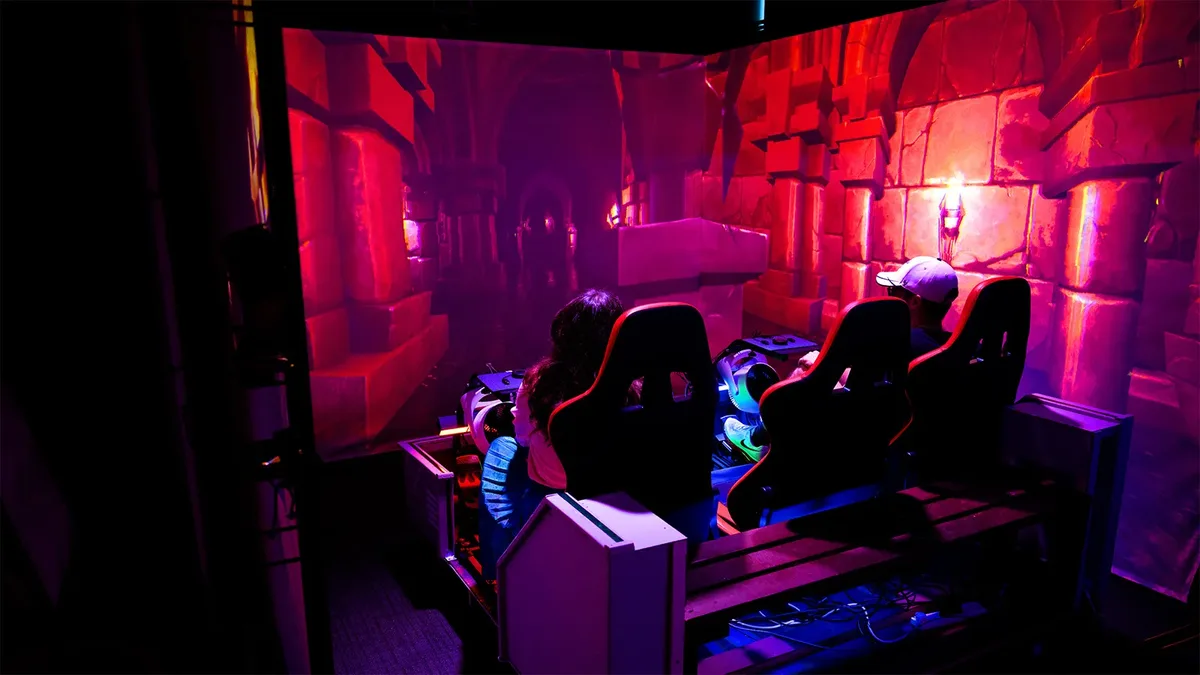
官網說每位學生在兩年內都有一台專屬的高效能桌機(2025–26 學年為搭載 RTX 4080 Super 的 Lenovo Legion),配 32 吋 4K 與 27 吋雙螢幕,預裝 Maya、3ds Max、ZBrush、Houdini、Adobe 全套、Unity 6、Unreal Engine 5 等。共用設施包括:可模擬乘坐體驗的三面 CAVE 動感投影系統、270 度的 CAVERN、四人互動鼓桌 Jam-O-Drum、錄音室、綠幕攝影棚、道具與木工坊(3D 列印、雷射切割),以及 Unitree G1 人形機器人;VR/AR 頭顯、動作捕捉與 Arduino 等硬體也可借用。
申請條件是什麼?托福、雅思要多少?
- 線上申請表與履歷:履歷要是最新版本,實習、工作、課程、畢業設計、個人項目只要和娛樂科技有關都可以寫。
- 四題短文:放在同一份文件,每題不超過 250 字:你目前最強的技能與想在 ETC 學的技能、你的背景如何讓你準備好團隊合作、職涯目標與 ETC 的幫助、誰或什麼啟發了你。官網明說 不可用 ChatGPT 或任何 AI 工具生成。
- 作品集和/或 GRE:可擇一或都交。GRE 須由 ETS 直接送分,代碼 2074。作品集放 4 到 8 件最能代表你的作品(傳統或數位藝術、平面設計、寫作、程式等,必要時可用照片或影片),團隊作品要寫明你負責的部分;必須以網站形式提交,Google Drive 連結不會被審閱。官網也接受非傳統作品集,例如提案書或商業計畫。
- 3 封推薦信:來自能評估你學術或專業能力的教授、項目主管或雇主,朋友與同儕不行,須在 2 月 1 日前送達。
- 英文(母語非英語者必交,不接受豁免):TOEFL iBT 舊制(2026 年 1 月前考)總分 92、每項 23;新制(2026 年 1 月起)總分與每項 5.0;IELTS 總分 7.0 且每項 7;Duolingo 總分與每項 130。成績須在兩年內,送分代碼 2074。
- 正式成績單:須由大學直接寄給 ETC(電子版優先),學生自行上傳的不算。
- 申請費:75 美元,可申請減免。送件後會安排 Zoom 面試。
作品集要怎麼準備?
ETC 的作品集不是只看畫功。官網說作品集要放「最能展現你技能組合」的作品,可以是平面設計、傳統藝術、音樂、寫作或任何創作媒材;團隊項目要清楚說明你個人的貢獻。因為課程幾乎全是團隊項目,建議每件作品都交代:你的角色、團隊怎麼分工、做了幾輪測試與修改、最後成果能不能被玩或被體驗。可運作的遊戲 Demo、互動裝置影片、關卡或場景設計、角色與世界觀設定,都比單張漂亮的圖更有說服力。

學費多少?有獎學金嗎?
- 學費:依 CMU 學生財務處 2026–27 學年 ETC 費用表,學費一年 61,628 美元(每學期 30,814 美元);加上學生活動費 248 美元、科技費 490 美元、交通費 302 美元,以及住宿 14,752、餐費 8,664、書籍用品 2,212、健康保險 3,352、個人雜支 4,098、旅費 1,756 與預估貸款費 1,500 美元,一年總就學費用約 99,002 美元(2026 年 7 月 30 日版本)。兩年課程要準備兩個學年的費用,2027 年入學請以最新費用表為準。
- 獎學金:所有申請者自動被考慮少量的成績獎學金,平均每年約 1 萬美元,先給一年、依成績可續第二年;另有 Schell Games 贊助的 ETC Fellowship Fund,提供第一年全額學費、成績良好可續第二年,需另外申請,優先考慮經濟或地域弱勢、單親家庭或家中第一代大學生。
- 智慧財產:官網強調學生在 ETC 做出的作品,智慧財產權屬於學生本人。
畢業生去哪裡工作?
官網職涯頁列出的數字是:91% 畢業一年內就業、平均起薪 80,000 美元以上,2025 年有 30 次企業參訪。第一學期有必修的職涯發展課(履歷檢視、模擬面試、校友人脈),第一年春天全班會去洛杉磯與舊金山參加一週的西岸參訪(West Coast Trip),拜訪遊戲工作室、娛樂公司與設計公司。校友任職公司包括 Apple、Meta、Electronic Arts、Blizzard、Disney、Universal、Epic Games、Rockstar Games、Sony、Naughty Dog 等。
2027 申請時間線怎麼排?
- 2026 年 11 月:確定英文成績路線(IELTS 每項 7 或 TOEFL 每項 23/新制 5.0 對很多人是門檻),聯絡 3 位推薦人;把作品集整理成網站。
- 2026 年 12 月至 2027 年 1 月中:寫完四題短文(每題 250 字內、親自撰寫),完成申請表並繳費;請學校直接寄正式成績單。線上申請須在 2027/1/1 前送出。官網說 1 月 15 日後開始審查。
- 2027 年 2 月 1 日:推薦信、成績單與官方考試成績的最後送達期限。
- 2027 年 2 月至 3 月:Zoom 面試;3 月 15 日在申請系統公布結果。
設計、建築背景怎麼準備最有利?
作者建議(非官方要求):建築與空間設計背景其實很適合 ETC 的主題樂園、沉浸式展覽、XR 場景與關卡設計方向。我們在 12,000+ 小時設計教學與設計諮詢中看到,最有說服力的作品集通常會把一個空間設計項目延伸成「可體驗的敘事」:使用者怎麼移動、在哪裡被驚喜、互動怎麼觸發,再配上一兩件用 Unity 或 Unreal 做出的可玩原型或互動影片,並清楚標示團隊中的個人分工。如果你更想做產品與介面的 UX,可以比較我們整理的 CMU 人機交互碩士 MHCI、華盛頓大學 MHCI+D、喬治亞理工學院 MS-HCI 與 加州大學爾灣分校 MHCID。
官方查核來源:ETC 介紹、學術、課程、設施與技術、職涯服務、申請、學費與獎學金、CMU 學生財務處 2026–27 ETC 費用表(2026 年 10 月查核)。
结论先讲:卡内基美隆大学(Carnegie Mellon University,CMU)的 Master of Entertainment Technology(MET,娱乐科技硕士)由娱乐科技中心(Entertainment Technology Center,ETC)开设,ETC 是 CMU 计算机科学学院与美术学院合办的跨领域中心,位于匹兹堡。这是一个 两年、四个全日制学期的专业硕士:第一学期是四门必修的「沉浸学期」,之后三个学期每学期做一个 14 周的团队项目,做出能实际运作的游戏、互动体验或原型。申请时 作品集与 GRE 可二选一或都交,作品集必须是网站;英文要求偏高:IELTS 总分与每个单项都要 7、旧制 TOEFL 92 且每项 23(2026 年 1 月起的新制为总分与单项 5.0)、或 Duolingo 130。官网表示 1 月 15 日后开始审查,推荐信等材料须在 2 月 1 日前送达,3 月 15 日公布结果。依 CMU 学生财务处 2026–27 学年费用表,学费一年 61,628 美元,含生活费等的总就学费用约 99,002 美元。
以下内容于 2026 年 10 月对照 ETC 官网的介绍、学术、课程、设施、职涯、申请与学费页,以及 CMU 学生财务处费用表查核。早期流传的「GRE 建议 325 分」「雅思 7.5」等说法在官网查不到出处,已删除或改为官网现行要求。
文首封面是 ETC 设施页的主视觉:在霓虹灯光的展示舱中,一具复古机器人站在两面圆窗屏幕之间。图片来源:卡内基美隆大学 ETC 官网
CMU ETC 娱乐科技硕士是什么?适合谁读?
ETC 在 1999 年由计算机科学教授 Randy Pausch(《最后的演讲》作者)与戏剧教授 Don Marinelli 创立,定位是艺术与科技交会的地方。官网说毕业生进入的产业包括游戏、影视、主题乐园等实体娱乐、软件开发、人工智能,以及「还没有名字的新领域」。
它不是传统的研究型硕士,而是以 团队做东西 为核心:学生来自电脑、工程、艺术、设计、戏剧、写作等各种背景,官网直说「我们不再把申请者分成技术人或艺术家」。如果你喜欢跨领域合作、想做游戏、互动装置、XR、主题乐园体验或教育游戏,ETC 很对口;如果你想要一年读完,或想边工作边读,就不适合,官网说课程无法在两年内提早完成,也强烈不建议在系外打工(系内助教等工作除外)。
两年课程怎么安排?要修哪些课?
- 第一学期:沉浸学期(Immersion Semester)。四门必修课:Building Virtual Worlds(由 Randy Pausch 开创,跨背景组队快速做出虚拟世界,学期末在年度最大活动 Fall Festival 展出)、Visual Story(学电影语言与导演手法,应用到游戏、主题乐园与数字体验)、Improvisational Acting(即兴表演,用来练团队信任与临场反应)、ETC Fundamentals(创建娱乐科技的共同语汇,并开始经营业界人脉)。
- 后三个学期:项目课。每学期换一个新项目,14 周内由跨领域团队在教师指导下做出可运作的作品或可玩的原型;很多项目有外部客户,例如企业、非营利组织或学区。项目可能是学生自己提案,也可能是为客户解题。
- 选修:第一学期后每学期选一门选修,可修 ETC 的课,也可修 CMU 其他学院的课。
- 转化游戏(Transformational Play)方向:与 CMU 转化游戏中心合作的选读方向,研究如何用游戏解决真实问题;仍属 ETC 主要班级,但有指定选修,且第一年与第二年之间必须做一个暑期项目。
- 暑期:暑期实习为选择性;学生也可在学期中参加合作实习(co-op)并取得学分。
有哪些设备?
官网说每位学生在两年内都有一台专属的高性能桌机(2025–26 学年为搭载 RTX 4080 Super 的 Lenovo Legion),配 32 吋 4K 与 27 吋双屏幕,预装 Maya、3ds Max、ZBrush、Houdini、Adobe 全套、Unity 6、Unreal Engine 5 等。共用设施包括:可仿真乘坐体验的三面 CAVE 动感投影系统、270 度的 CAVERN、四人互动鼓桌 Jam-O-Drum、录音室、绿幕摄影棚、道具与木工坊(3D 打印、雷射切割),以及 Unitree G1 人形机器人;VR/AR 头显、动作捕捉与 Arduino 等硬件也可借用。
申请条件是什么?托福、雅思要多少?
- 在线申请表与履历:履历要是最新版本,实习、工作、课程、毕业设计、个人项目只要和娱乐科技有关都可以写。
- 四题短文:放在同一份文档,每题不超过 250 字:你目前最强的技能与想在 ETC 学的技能、你的背景如何让你准备好团队合作、职涯目标与 ETC 的帮助、谁或什么启发了你。官网明说 不可用 ChatGPT 或任何 AI 工具生成。
- 作品集和/或 GRE:可择一或都交。GRE 须由 ETS 直接送分,代码 2074。作品集放 4 到 8 件最能代表你的作品(传统或数字艺术、平面设计、写作、程式等,必要时可用照片或视频),团队作品要写明你负责的部分;必须以网站形式提交,Google Drive 链接不会被审阅。官网也接受非传统作品集,例如提案书或商业计划。
- 3 封推荐信:来自能评估你学术或专业能力的教授、项目主管或雇主,朋友与同侪不行,须在 2 月 1 日前送达。
- 英文(母语非英语者必交,不接受豁免):TOEFL iBT 旧制(2026 年 1 月前考)总分 92、每项 23;新制(2026 年 1 月起)总分与每项 5.0;IELTS 总分 7.0 且每项 7;Duolingo 总分与每项 130。成绩须在两年内,送分代码 2074。
- 正式成绩单:须由大学直接寄给 ETC(电子版优先),学生自行上传的不算。
- 申请费:75 美元,可申请减免。送件后会安排 Zoom 面试。
作品集要怎么准备?
ETC 的作品集不是只看画功。官网说作品集要放「最能展现你技能组合」的作品,可以是平面设计、传统艺术、音乐、写作或任何创作媒材;团队项目要清楚说明你个人的贡献。因为课程几乎全是团队项目,建议每件作品都交代:你的角色、团队怎么分工、做了几轮测试与修改、最后成果能不能被玩或被体验。可运作的游戏 Demo、互动装置视频、关卡或场景设计、角色与世界观设置,都比单张漂亮的图更有说服力。
学费多少?有奖学金吗?
- 学费:依 CMU 学生财务处 2026–27 学年 ETC 费用表,学费一年 61,628 美元(每学期 30,814 美元);加上学生活动费 248 美元、科技费 490 美元、交通费 302 美元,以及住宿 14,752、餐费 8,664、书籍用品 2,212、健康保险 3,352、个人杂支 4,098、旅费 1,756 与预估贷款费 1,500 美元,一年总就学费用约 99,002 美元(2026 年 7 月 30 日版本)。两年课程要准备两个学年的费用,2027 年入学请以最新费用表为准。
- 奖学金:所有申请者自动被考虑少量的成绩奖学金,平均每年约 1 万美元,先给一年、依成绩可续第二年;另有 Schell Games 赞助的 ETC Fellowship Fund,提供第一年全额学费、成绩良好可续第二年,需另外申请,优先考虑经济或地域弱势、单亲家庭或家中第一代大学生。
- 智能财产:官网强调学生在 ETC 做出的作品,知识产权属于学生本人。
毕业生去哪里工作?
官网职涯页列出的数字是:91% 毕业一年内就业、平均起薪 80,000 美元以上,2025 年有 30 次企业参访。第一学期有必修的职涯发展课(履历查看、仿真面试、校友人脉),第一年春天全班会去洛杉矶与旧金山参加一周的西岸参访(West Coast Trip),拜访游戏工作室、娱乐公司与设计公司。校友任职公司包括 Apple、Meta、Electronic Arts、Blizzard、Disney、Universal、Epic Games、Rockstar Games、Sony、Naughty Dog 等。
2027 申请时间线怎么排?
- 2026 年 11 月:确定英文成绩路线(IELTS 每项 7 或 TOEFL 每项 23/新制 5.0 对很多人是门槛),联系 3 位推荐人;把作品集整理成网站。
- 2026 年 12 月至 2027 年 1 月中:写完四题短文(每题 250 字内、亲自撰写),完成申请表并缴费;请学校直接寄正式成绩单。在线申请须在 2027/1/1 前送出。官网说 1 月 15 日后开始审查。
- 2027 年 2 月 1 日:推荐信、成绩单与官方考试成绩的最后送达期限。
- 2027 年 2 月至 3 月:Zoom 面试;3 月 15 日在申请系统公布结果。
设计、建筑背景怎么准备最有利?
作者建议(非官方要求):建筑与空间设计背景其实很适合 ETC 的主题乐园、沉浸式展览、XR 场景与关卡设计方向。我们在 12,000+ 小时设计教学与设计咨询中看到,最有说服力的作品集通常会把一个空间设计项目延伸成「可体验的叙事」:使用者怎么移动、在哪里被惊喜、互动怎么触发,再配上一两件用 Unity 或 Unreal 做出的可玩原型或互动视频,并清楚标示团队中的个人分工。如果你更想做产品与界面的 UX,可以比较我们整理的 CMU 人机交互硕士 MHCI、华盛顿大学 MHCI+D、乔治亚理工学院 MS-HCI 与 加州大学尔湾分校 MHCID。
官方查核来源:ETC 介绍、学术、课程、设施与技术、职涯服务、申请、学费与奖学金、CMU 学生财务处 2026–27 ETC 费用表(2026 年 10 月查核)。
The short answer: Carnegie Mellon University's Master of Entertainment Technology (MET) is offered by the Entertainment Technology Center (ETC), a joint venture between CMU's School of Computer Science and College of Fine Arts, based in Pittsburgh. It is a two-year professional master's of four full-time semesters: the first is a four-course "Immersion Semester", and in each of the remaining three semesters students work in a team on a 14-week project to build a working game, interactive experience or prototype. Applicants submit a portfolio, GRE scores or both, and the portfolio must be a website. The English bar is high: IELTS 7 overall and in every band, TOEFL 92 with 23 in each section on the pre-2026 scale (5.0 overall and per section for tests taken from January 2026), or Duolingo 130. The ETC begins reviewing applications after 15 January, requires recommendations and other materials by 1 February and releases decisions on 15 March. Under CMU Student Financial Services' 2026–27 schedule, tuition is US$61,628 a year, and the total cost of attendance, including living costs, is about US$99,002.
Everything below was checked in October 2026 against the ETC website's about, academics, curriculum, facilities, career, admissions and tuition pages, and CMU Student Financial Services' fee schedule. Earlier claims in circulation, such as a "recommended GRE of 325" or "IELTS 7.5", could not be found on the official website and have been removed or replaced with current requirements.
The cover is the banner image from the ETC facilities page: a retro robot standing between two porthole screens in a neon-lit display pod. Image source: Carnegie Mellon ETC website
What is CMU's ETC master's, and who is it for?
The ETC was founded in 1999 by computer science professor Randy Pausch (of "The Last Lecture") and drama professor Don Marinelli, as the place where art and technology meet. The website says its graduates go into gaming, film and television, location-based entertainment, software development, artificial intelligence, and "something so new it doesn't have a category yet".
It is not a traditional research master's; its core is making things in teams. Students come from computing, engineering, art, design, drama, writing and more, and the website says it is no longer easy, or necessary, to sort applicants into technologists and artists. If you enjoy cross-disciplinary collaboration and want to make games, interactive installations, XR, theme-park experiences or educational games, the ETC is a strong match. If you want to finish in one year or work while studying, it is not: the website says the degree cannot be completed in less than two years and strongly discourages outside work (roles within the ETC, such as teaching assistant, are the exception).
How are the two years structured, and what do you study?
- First semester: the Immersion Semester. Four required courses: Building Virtual Worlds (started by Randy Pausch, in which mixed-background teams rapidly build virtual worlds, shown at the year's biggest event, Fall Festival), Visual Story (the language of filmmaking and directing, applied to games, theme parks and digital experiences), Improvisational Acting (to build trust and the ability to react in the moment as a team) and ETC Fundamentals (a shared vocabulary for entertainment technology and a start on professional networks).
- The remaining three semesters: project courses. A new project each semester, in which an interdisciplinary team supervised by faculty produces a working artefact or playable prototype in 14 weeks; many projects have external clients such as companies, nonprofits or school districts. Some projects are pitched by students; others solve a client's problem.
- Electives: after the first semester, students take an elective each term, at the ETC or elsewhere at CMU.
- Transformational Play concentration: an optional concentration with the Center for Transformational Play on designing playful systems that address real-world challenges. Students stay in the main ETC cohort but follow approved electives and must complete a summer project between years one and two.
- Summers: a summer internship is optional; students can also take semester co-ops for academic credit.
What facilities are available?
According to the website, every student is assigned a personal high-performance desktop for the two years (a Lenovo Legion with an RTX 4080 Super GPU in 2025–26) with 32-inch 4K and 27-inch monitors, preloaded with Maya, 3ds Max, ZBrush, Houdini, the full Adobe suite, Unity 6, Unreal Engine 5 and more. Shared facilities include a three-wall CAVE with a pneumatic motion base for ride simulation, the 270-degree CAVERN, the four-player Jam-O-Drum interactive table, a sound studio, a green screen studio, a prop studio and woodshop (3D printers and a laser cutter) and a Unitree G1 humanoid robot; VR and AR headsets, motion capture and kits such as Arduino can be signed out.
What are the entry requirements, and what TOEFL or IELTS score do you need?
- Online application and CV: use your most current CV; internships, jobs, coursework, thesis work and personal projects all count if they relate to entertainment technology.
- Four short essays: in a single document, no more than 250 words each, on your strongest skills and what you want to learn at the ETC, how your background prepares you for teamwork, your career goals and how the ETC will help, and who or what inspires you. The website states that ChatGPT or any other AI tool must not be used to generate them.
- Portfolio and/or GRE: submit either or both. GRE scores go directly from ETS using code 2074. A portfolio should hold 4 to 8 pieces that best show your skills (traditional or digital art, graphic design, writing, coding and so on, with photos or video where needed), and group pieces need a note on what you did; it must be submitted as a website, and Google Drive portfolios are not reviewed. Non-traditional portfolios, such as a grant proposal or business plan, are also welcome.
- Three letters of recommendation: from professors, project directors or employers who can assess your academic or professional work (not friends or peers), received by 1 February.
- English (required for non-native speakers, with no exceptions): TOEFL iBT taken before January 2026, 92 overall with 23 in each section; taken from January 2026, 5.0 overall and in each section; IELTS 7.0 overall and 7 in each band; or Duolingo 130 overall and in each subscore. Scores must be under two years old, sent with code 2074.
- Official transcript: sent directly to the ETC by your university (electronic preferred); student uploads are not accepted.
- Application fee: US$75, with waivers available on request. Zoom interviews are held after you apply.
How should you prepare the portfolio?
The ETC portfolio is not only about drawing skill. The website asks for the work that best demonstrates your skill set, in graphic design, traditional art, music, writing or any creative medium, and wants group projects to explain your own contribution. Because the programme is almost entirely team-based, it helps for every piece to show your role, how the team divided the work, how many rounds of testing and revision you did and whether the result can be played or experienced. A working game demo, a video of an interactive installation, level or environment design, or character and world-building work is more convincing than a single beautiful image.
How much does it cost, and are there scholarships?
- Tuition: under CMU Student Financial Services' 2026–27 ETC schedule, tuition is US$61,628 a year (US$30,814 per semester). Adding the student activities fee (US$248), technology fee (US$490) and transportation fee (US$302), plus housing (14,752), food (8,664), books and supplies (2,212), health insurance (3,352), personal costs (4,098), travel (1,756) and estimated loan fees (1,500), the total cost of attendance is about US$99,002 a year (version of 30 July 2026). Budget for two academic years, and check the latest schedule for 2027 entry.
- Scholarships: every applicant is automatically considered for a limited number of merit scholarships, averaging about US$10k a year, granted for one year and renewable for the second on academic performance. The ETC Fellowship Fund, sponsored by Schell Games, covers full tuition for the first year, renewable for the second in good standing; it requires a separate application and prefers students from under-privileged socioeconomic backgrounds or underrepresented areas, single-parent households or first-generation college students.
- Intellectual property: the website stresses that the IP of what students make at the ETC belongs to the students.
Where do graduates work?
The career page reports 91% employed within a year of graduation and an average starting salary of US$80,000+, with 30 company visits in 2025. The first semester includes a required professional development course (CV reviews, mock interviews and alumni networking), and each spring the first-year cohort spends a week on the West Coast Trip in Los Angeles and San Francisco, visiting game studios, entertainment firms and design agencies. Alumni work at companies including Apple, Meta, Electronic Arts, Blizzard, Disney, Universal, Epic Games, Rockstar Games, Sony and Naughty Dog.
How should you plan a 2027 application?
- November 2026: settle your English test route (IELTS 7 in every band or TOEFL 23 per section, or 5.0 on the new scale, is the hurdle for many), contact three recommenders and build your portfolio website.
- December 2026 to mid-January 2027: finish the four essays (250 words each, written yourself), complete the application and pay the fee, and ask your university to send an official transcript. The online application must be submitted by Jan 1, 2027. The website says review begins after 15 January.
- 1 February 2027: the final date for recommendations, transcripts and official test scores.
- February to March 2027: Zoom interviews, with decisions released in the portal on 15 March.
How can design and architecture graduates prepare?
Author's advice (not an official requirement): architecture and spatial design graduates are a natural fit for the ETC's theme-park, immersive exhibition, XR environment and level design directions. In 12,000+ hours of design teaching and design consulting, we have found that the most convincing portfolios extend a spatial design project into an experience-driven narrative: how people move, where they are surprised and how interactions are triggered, backed by one or two playable prototypes or interaction videos made in Unity or Unreal, with your role in the team clearly labelled. If you are more interested in product and interface UX, compare our guides to CMU's MHCI, the University of Washington's MHCI+D, Georgia Tech's MS-HCI and UC Irvine's MHCID.
Official sources checked: about the ETC, academics, curriculum, facilities and technology, career services, admissions, tuition and financial aid and CMU Student Financial Services 2026–27 ETC cost of attendance (checked October 2026).
English summary
A guide to Carnegie Mellon's Master of Entertainment Technology at the Entertainment Technology Center (ETC), checked against official sources in October 2026. Run jointly by CMU's School of Computer Science and College of Fine Arts, it is a two-year, four-semester professional master's: a four-course Immersion Semester followed by three 14-week interdisciplinary team projects, often with external clients. Applicants submit a CV, four short essays, a website portfolio and/or GRE scores, three letters and English scores of IELTS 7 in every band, TOEFL 92 with 23 per section (5.0 on the 2026 scale) or Duolingo 130; materials are due by 1 February and decisions come on 15 March. For 2026–27, tuition is US$61,628 and the total cost of attendance about US$99,002; 91% of graduates are employed within a year.
常見問題常见问题FAQ
CMU ETC 讀多久?可以一年讀完或邊工作邊讀嗎?CMU ETC 读多久?可以一年读完或边工作边读吗?How long is CMU's ETC master's, and can you finish in one year or work while studying?
兩年、四個全日制學期,官網說無法在兩年內提早完成;暑期實習為選擇性。因為課業量大,官網強烈不建議在系外工作,但學生常在 ETC 內擔任助教等職位。
两年、四个全日制学期,官网说无法在两年内提早完成;暑期实习为选择性。因为课业量大,官网强烈不建议在系外工作,但学生常在 ETC 内担任助教等职位。
Two years, or four full-time semesters, and the website says it cannot be completed in less than two years; a summer internship is optional. Because of the workload, the website strongly discourages working outside the department, though students often work as TAs or in other ETC roles.
托福、雅思要多少分?托福、雅思要多少分?What TOEFL or IELTS score is required?
IELTS 總分 7.0 且每項 7;TOEFL iBT 2026 年 1 月前考的要總分 92、每項 23,2026 年 1 月起的新制要總分與每項 5.0;或 Duolingo 總分與每項 130。母語非英語者必交,不接受豁免,成績須在兩年內。
IELTS 总分 7.0 且每项 7;TOEFL iBT 2026 年 1 月前考的要总分 92、每项 23,2026 年 1 月起的新制要总分与每项 5.0;或 Duolingo 总分与每项 130。母语非英语者必交,不接受豁免,成绩须在两年内。
IELTS 7.0 overall and 7 in every band; TOEFL iBT taken before January 2026, 92 overall with 23 per section, or 5.0 overall and per section from January 2026; or Duolingo 130 overall and per subscore. Non-native speakers must submit a test, with no exceptions, and scores must be under two years old.
一定要交作品集嗎?要考 GRE 嗎?一定要交作品集吗?要考 GRE 吗?Is a portfolio required, and do you need the GRE?
作品集與 GRE 至少交一項,也可以都交。作品集放 4 到 8 件,必須是網站形式,Google Drive 不會被審閱;團隊作品要寫明個人貢獻,也接受提案書等非傳統作品集。
作品集与 GRE 至少交一项,也可以都交。作品集放 4 到 8 件,必须是网站形式,Google Drive 不会被审阅;团队作品要写明个人贡献,也接受提案书等非传统作品集。
Submit at least one of a portfolio or GRE scores, or both. A portfolio should have 4 to 8 pieces and must be a website (Google Drive portfolios are not reviewed); group work needs a note on your contribution, and non-traditional portfolios such as proposals are welcome.
CMU ETC 學費多少?有獎學金嗎?CMU ETC 学费多少?有奖学金吗?How much does the CMU ETC cost, and are there scholarships?
2026–27 學年學費 61,628 美元,含住宿、餐費、保險等的總就學費用約 99,002 美元,讀兩年要準備兩年費用。所有申請者自動被考慮成績獎學金(平均每年約 1 萬美元),另有需另行申請、第一年全額學費的 ETC Fellowship Fund。
2026–27 学年学费 61,628 美元,含住宿、餐费、保险等的总就学费用约 99,002 美元,读两年要准备两年费用。所有申请者自动被考虑成绩奖学金(平均每年约 1 万美元),另有需另行申请、第一年全额学费的 ETC Fellowship Fund。
For 2026–27, tuition is US$61,628 and the total cost of attendance, including housing, food and insurance, is about US$99,002, so budget for two years. All applicants are automatically considered for merit scholarships (about US$10k a year on average), and the separately applied-for ETC Fellowship Fund covers first-year tuition in full.
什麼時候截止、什麼時候放榜?什么时候截止、什么时候放榜?When are the deadlines and decisions?
官網說 1 月 15 日後開始審查,推薦信、成績單與考試成績須在 2 月 1 日前送達,送件後安排 Zoom 面試,3 月 15 日在申請系統公布結果。線上申請須在 2027/1/1 前送出。
官网说 1 月 15 日后开始审查,推荐信、成绩单与考试成绩须在 2 月 1 日前送达,送件后安排 Zoom 面试,3 月 15 日在申请系统公布结果。在线申请须在 2027/1/1 前送出。
The website says review begins after 15 January, recommendations, transcripts and test scores are due by 1 February, Zoom interviews follow submission and decisions are released in the portal on 15 March. The online application must be submitted by Jan 1, 2027.
訂閱新文章订阅新文章Subscribe
新文章會寄到這個信箱。新文章会寄到这个邮箱。New posts will be emailed to this address.
已訂閱。已订阅。Subscribed.暫時無法訂閱,請稍後再試。暂时无法订阅,请稍后再试。Could not subscribe. Please try again.相關文章相关文章Related posts
 亞利桑那州立大學建築碩士 ASU M.Arch 怎麼申請?2 年 54 學分與 3 年 78 學分、1 月 15 日優先截止、SlideRoom 作品集與每學期學費(2026 年 11 月官網查核)亚利桑那州立大学建筑硕士 ASU M.Arch 怎么申请?2 年 54 学分与 3 年 78 学分、1 月 15 日优先截止、SlideRoom 作品集与每学期学费(2026 年 11 月官网查核)How to apply to the Arizona State University Master of Architecture (M.Arch): the 2-year 54-credit and 3-year 78-credit tracks, the 15 January priority deadline, the SlideRoom portfolio and per-semester costs (checked November 2026)亞利桑那州立大學 The Design School 的 M.Arch 是 NAAB 認證的專業學位:建築 pre-professional 學士讀 2-year track、54 學分;其他科系讀 3-year track、78 學分,都有 Tempe 實體與線上兩種方式。官網的秋季截止日是 01/15(Priority)與 05/01(Final),沒有印年份;2027 年 1 月 15 日與 2027 年 5 月 1 日是本文針對 2027 年秋季入學的推算。作品集與 letter of intent 交到 SlideRoom,頁數規定:尚缺。官方 Tuition Estimator 以每學期 12 學分印出的 2026-2027 學年國際生金額是 Fall 2026 一學期 US$26,685、Spring 2027 一學期 US$27,403、學年合計 US$54,088;2027 年秋季入學那一年的費率與全學程總花費:尚缺。2026 年 11 月 23 日官網查核。亚利桑那州立大学 The Design School 的 M.Arch 是 NAAB 认证的专业学位:建筑 pre-professional 学士读 2-year track、54 学分;其他科系读 3-year track、78 学分,都有 Tempe 实体与在线两种方式。官网的秋季截止日是 01/15(Priority)与 05/01(Final),没有印年份;2027 年 1 月 15 日与 2027 年 5 月 1 日是本文针对 2027 年秋季入学的推算。作品集与 letter of intent 交到 SlideRoom,页数规定:尚缺。官方 Tuition Estimator 以每学期 12 学分印出的 2026-2027 学年国际生金额是 Fall 2026 一学期 US$26,685、Spring 2027 一学期 US$27,403、学年合计 US$54,088;2027 年秋季入学那一年的费率与全学程总花费:尚缺。2026 年 11 月 23 日官网查核。The Arizona State University Design School M.Arch is a NAAB-accredited professional degree: pre-professional architecture graduates take the 2-year track of 54 credit hours and graduates of other fields the 3-year track of 78, in person in Tempe or online. The official fall deadlines are 01/15 (Priority) and 05/01 (Final) with no year; Jan 15, 2027 and May 1, 2027 are this post’s inference for autumn 2027 entry. The portfolio and letter of intent go to SlideRoom; a page limit is not available. At 12 credit hours per semester, the official Tuition Estimator prints international totals for 2026-2027 of US$26,685 for the Fall 2026 semester, US$27,403 for the Spring 2027 semester and US$54,088 for the academic year; rates for the year of autumn 2027 entry and a whole-programme total are not available. Checked against official pages on 23 November 2026.
 德州農工大學建築碩士 Texas A&M M.Arch 怎麼申請?兩年 55 學分、Career Change 先修、12 月 3 日截止、16:9 PDF 作品集與每學期學費(2026 年 11 月官網查核)德州农工大学建筑硕士 Texas A&M M.Arch 怎么申请?两年 55 学分、Career Change 先修、12 月 3 日截止、16:9 PDF 作品集与每学期学费(2026 年 11 月官网查核)How to apply to the Texas A&M University Master of Architecture (M.Arch): two years and 55 credit hours, the Career Change route, the 3 December deadline, the 16:9 PDF portfolio and per-semester costs (checked November 2026)德州農工大學 Department of Architecture 的 M.Arch 是 NAAB 認證的專業學位(pre-professional degree + 55 graduate credits):建築 pre-professional 學士讀兩年、55 學分;其他科系的人先讀 42 學分的 Career Change 再進 M.Arch。截止日官網只寫「Dec. 3」,沒有印年份;2026 年 12 月 3 日是本文針對 2027 年秋季入學的推算。作品集交高解析度 PDF(16:9 跨頁為佳)、至少六個設計課作品。學費按每學分、每學期計,官方計算器最新只到 Fall 2026 or Spring 2027:每學分 Texas 居民 US$286.89、非居民 US$836.40(非居民前一期是 US$813.40),另有每學期的 Required Fees 與 Architecture Graduate Program Fee。2027 年秋季入學從 Fall 2027 開始繳費,Fall 2027/Spring 2028 費率:尚缺,現行費率僅供參考;學年與全學程總額:尚缺。德州农工大学 Department of Architecture 的 M.Arch 是 NAAB 认证的专业学位(pre-professional degree + 55 graduate credits):建筑 pre-professional 学士读两年、55 学分;其他科系的人先读 42 学分的 Career Change 再进 M.Arch。截止日官网只写「Dec. 3」,没有印年份;2026 年 12 月 3 日是本文针对 2027 年秋季入学的推算。作品集交高分辨率 PDF(16:9 跨页为佳)、至少六个设计课作品。学费按每学分、每学期计,官方计算器最新只到 Fall 2026 or Spring 2027:每学分 Texas 居民 US$286.89、非居民 US$836.40(非居民前一期是 US$813.40),另有每学期的 Required Fees 与 Architecture Graduate Program Fee。2027 年秋季入学从 Fall 2027 开始缴费,Fall 2027/Spring 2028 费率:尚缺,现行费率仅供参考;学年与全学程总额:尚缺。The Texas A&M University Department of Architecture M.Arch is a NAAB-accredited professional degree (“pre-professional degree + 55 graduate credits”): pre-professional architecture graduates take two years and 55 credit hours, while graduates of other fields first take the 42-credit-hour Career Change programme and then enter the M.Arch. The official pages say only “Dec. 3” for the deadline, with no year; 3 December 2026 is this post’s inference for autumn 2027 entry. The portfolio is a high-resolution PDF (16:9 spreads preferred) with at least six design studio projects. Tuition is charged per credit hour, per semester, and the official calculator’s latest published option is Fall 2026 or Spring 2027: US$286.89 for Texas residents and US$836.40 for non-residents (the non-resident rate was US$813.40 in the previous period), plus per-semester Required Fees and an Architecture Graduate Program Fee. Autumn 2027 entrants start paying in Fall 2027; Fall 2027 / Spring 2028 rates: not available, so current rates are for reference only. Academic-year and whole-programme totals are not available.
 杜蘭大學建築碩士 Tulane M.Arch 怎麼申請?3.5 年/Advanced Standing 兩條路、STEM OPT、1 月 15 日截止、作品集與學費(2026 年 11 月官網查核)杜兰大学建筑硕士 Tulane M.Arch 怎么申请?3.5 年/Advanced Standing 两条路、STEM OPT、1 月 15 日截止、作品集与学费(2026 年 11 月官网查核)How to apply to the Tulane University Master of Architecture (M.Arch): the 3.5-year and advanced-standing paths, STEM OPT, the 15 January deadline, the portfolio and costs (checked November 2026)杜蘭大學建築學院 M.Arch 是 NAAB 認證的專業學位,官網註明歸在 CIP 代碼 04.0902、國際學生可申請 STEM OPT 延長:任何科系學士走 3.5 年制,7 個學期(從暑期開始)、111 學分;建築 pre-professional 學士申請 Advanced Standing,官網寫 2 到 3 年(學程頁寫最多抵 40 學分,認證頁寫 2 年路徑要修 64–65 學分,兩頁不同,見內文)。截止日官網只寫「December 1」提前申請與「January 15」一般截止,沒有印年份;2026 年 12 月 1 日 與 2027 年 1 月 15 日 是本文針對 2027 年入學的推算,不是學校印出的年份,送出前請再確認;2 月中前放榜。2026–2027 學年學費 US$64,372(秋+春,公布費率),四項必繳雜費每學期收,生活費為官網估算;國際學生一般須加保 T-SHIP(2026–2027 全學年 US$4,347,另計;Spring/Summer 2027 的 US$2,632 只給春季學期入學新生,不是暑期入學的保費);2027 年暑期與 2027–2028 學年的費率尚未公布:尚缺。申請費、GRE、作品集頁數上限:尚缺。(2026-11-22 官網查核)杜兰大学建筑学院 M.Arch 是 NAAB 认证的专业学位,官网注明归在 CIP 代码 04.0902、国际学生可申请 STEM OPT 延长:任何科系学士走 3.5 年制,7 个学期(从暑期开始)、111 学分;建筑 pre-professional 学士申请 Advanced Standing,官网写 2 到 3 年(学程页写最多抵 40 学分,认证页写 2 年路径要修 64–65 学分,两页不同,见内文)。截止日官网只写「December 1」提前申请与「January 15」一般截止,没有印年份;2026 年 12 月 1 日 与 2027 年 1 月 15 日 是本文针对 2027 年入学的推算,不是学校印出的年份,送出前请再确认;2 月中前放榜。2026–2027 学年学费 US$64,372(秋+春,公布费率),四项必缴杂费每学期收,生活费为官网估算;国际学生一般须加保 T-SHIP(2026–2027 全学年 US$4,347,另计;Spring/Summer 2027 的 US$2,632 只给春季学期入学新生,不是暑期入学的保费);2027 年暑期与 2027–2028 学年的费率尚未公布:尚缺。申请费、GRE、作品集页数上限:尚缺。(2026-11-22 官网查核)The Tulane University M.Arch is a NAAB-accredited professional degree that the school states is classified under CIP code 04.0902, with international graduates eligible for the STEM OPT extension: graduates of any field take the 3.5-year curriculum of seven semesters (starting in the summer) and 111 credits, and pre-professional architecture graduates apply for advanced standing, described as a two-to-three-year option (the programme page says up to 40 credits may be granted, the accreditation page lists 64–65 credits for the two-year path; the two pages differ, see the body). The official page says only “December 1” for early admission and “January 15” for regular decision, with no year; 1 December 2026 and 15 January 2027 are this post’s inference for 2027 entry, not years printed by the school, so confirm before you submit; decisions come by mid-February. Tuition for 2026–2027 is US$64,372 for autumn and spring (published rate), the four mandatory fees are charged per semester, and living costs are the school’s estimates; international students are generally required to take T-SHIP insurance (US$4,347 for the full 2026–2027 year, charged separately; the Spring/Summer 2027 rate of US$2,632 is for new spring-semester arrivals, not summer starters); summer 2027 and 2027–2028 rates have not been published: not available. The application fee, the GRE and any portfolio page limit are not available. (Checked on official pages, 22 November 2026.)