香港科技大學數碼及可持續城市碩士怎麼申請?2027 截止日、學費 27 萬、一年制 DISC 課程結構(2026 年 10 月官網查核)香港科技大学数码及可持续城市硕士怎么申请?2027 截止日、学费 27 万、一年制 DISC 课程结构(2026 年 10 月官网查核)How do you apply to HKUST’s MSc in Digital and Sustainable Cities? 2027 deadlines, HK$270,000 tuition and one-year DISC curriculum (checked October 2026)
用微信掃描這張 QR code 即可分享。用微信扫描这张 QR code 即可分享。Scan this QR code with WeChat to share.
掃描或下載這張 QR code。扫描或下载这张 QR code。Scan or download this QR code.
結論先講:香港科技大學(HKUST)工學院土木及環境工程學系開辦的 MSc in Digital and Sustainable Cities(理學碩士・數碼及可持續城市,簡稱 DISC),把數位科技與可持續城市/基礎建設管理合在同一套授課碩士。全日制一年(兼讀制 2–2.5 年)、最少 30 學分(含 6 學分 MSc Project),2027/28 秋季入學學費為全日制 港幣 270,000 元(兩期)、兼讀制 港幣 230,000 元(四期)。非本地生首輪截止 2026 年 12 月 15 日、次輪 2027 年 4 月 1 日;本地生首輪同為 12 月 15 日、次輪延至 2027 年 5 月 15 日,採滾動審理。申請背景以土木工程或相關工程二等榮譽學士為主;英文門檻依霍英東研究生院為 TOEFL iBT 80(2026 年 1 月 21 日起新制為 4.5)或 IELTS 6.5(各分項至少 5.5)。完成一年 MSc 後,經課程主任批准可申請轉讀二年制 MEng(含一年工業實習),另繳港幣 150,000 元。
以下內容於 2026 年 10 月對照工學院課程頁(中英)、2027/28 課程目錄、科目目錄與霍英東研究生院入學要求查核;課表與學費可能調整,以大學最終批准與錄取通知為準。
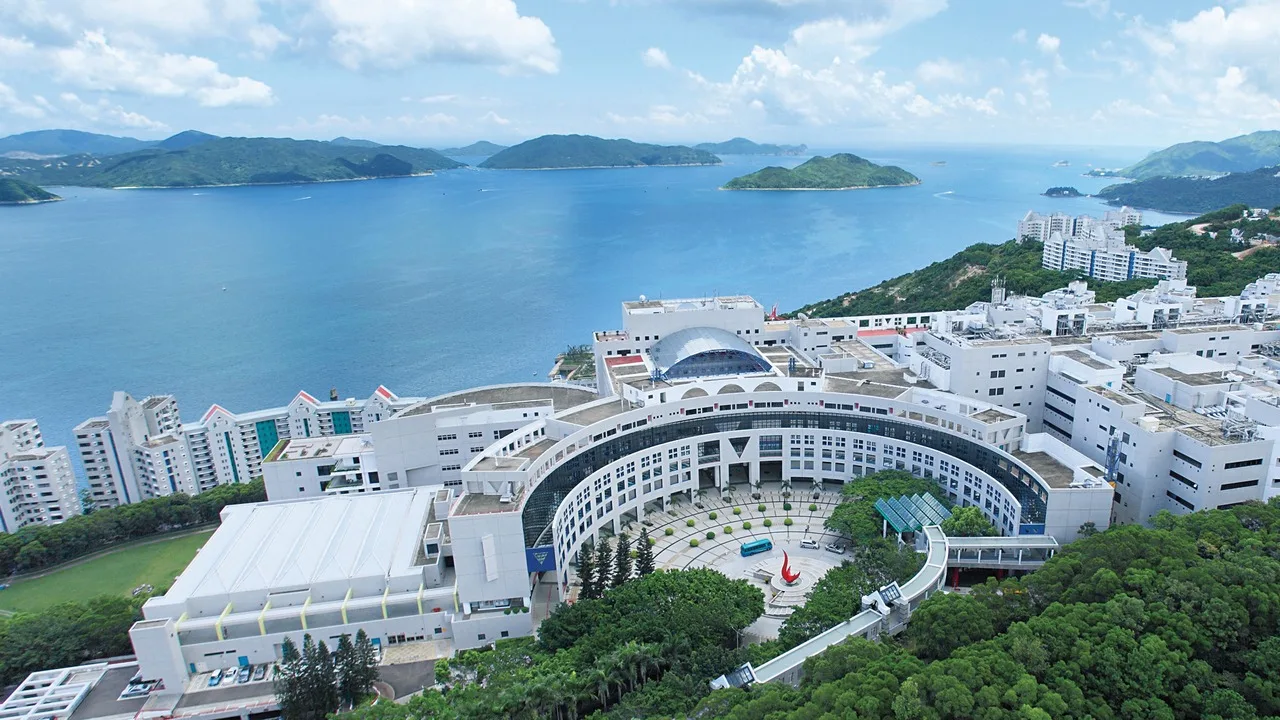
文首封面是清水灣校園航拍:半圓形教學大樓圍繞中央廣場,後方是西貢一帶水域與島嶼——DISC 所屬的土木及環境工程學系就在這個依山面海的校園。圖片來源:香港科技大學 About HKUST
數碼及可持續城市碩士是什麼樣的課程?
官網與課程目錄把 DISC 定位為:回應產業對數位技術、資料科學與可持續城市基礎建設管理人才的需求,整合 3D 列印、數碼分身(digital twins)、GIS、衛星遙感、雲端運算、施工機器人與組裝合成建築法(MiC)等土木工程新興科技,並連到可持續城市設計與大型土木/建造應用的資料驅動分析。開辦單位是土木及環境工程學系(Department of Civil and Environmental Engineering);官方中文頒授名稱為理學碩士(數碼及可持續城市),另有僅供在讀 MSc 學生轉讀的工學碩士(數碼及可持續城市)。
- 兩大課群:Digital Technology and Data Science(數位科技與資料科學);Sustainable Design and Management of Infrastructures(可持續基礎建設設計與管理)。必修 24 學分須從每類至少選 2 門。
- 總結項目:6 學分 DISC 6980 MSc Project(獨立研究項目)。
- 跨課程選修:經課程主任批准,最多 9 學分可來自其他碩士課程清單(如 CSIT、IBTM、JEVE、PPOL 等)。
- 職涯方向(工學院頁):智慧型土木工程師、可持續發展經理、都市規劃相關、GIS 專家、研發工程師、自動化建築項目經理等。
一年 30 學分怎麼修?MEng 實習路徑是什麼?
- 學制:MSc 全日制 1 年、兼讀制 2–2.5 年;MEng 全日制 2 年(僅開放給完成首年 MSc 要求後轉讀的在學生,不接受新生直接申請)。
- 學分:MSc 最少 30 學分(必修課群 24+MSc Project 6);MEng 36 學分(另含 6 學分工業實習 DISC 6500,實習學分不計入 MSc 要求)。
- 數位課群示例(科目目錄,可能調整):Geospatial Data Analytics for Urban Infrastructure Planning;Remote Sensing and Smart Sensor Networks;Digital Twins for Engineering Systems and Smart Cities;High-performance Computing for Geotechnical Engineering;Autonomous Construction and Robotics。
- 可持續課群示例:Sustainable Construction Materials;Computer Vision for Structural Health Monitoring;Computer Methods for Structural Engineering;Low Altitude Economy in Sustainable Cities;Smart Transportation Planning;Sustainable Design, Planning, and Operation for Net-Zero City;Circular Economy in Infrastructure Development;Game-Theoretic Models for Smart Urban Infrastructure Systems。
- 畢業成績:畢業平均成績(GGA)須達 2.850 或以上;未達標即使單科及格也須重讀或加修。
- MEng 第二年:一年工業實習(區域或海外),職場導師+科大實習協調員共同督導;另繳學費港幣 150,000 元,合資格者可獲實習津貼(工學院頁說明)。
申請條件、英文與材料要準備什麼?
- 學歷(課程專屬):土木工程或相關工程領域二等榮譽或以上學士,或認可同等學歷。非土木背景或須先補修土木相關科目。
- 英文(研究生院通用+目錄同步):TOEFL iBT 80(2026 年 1 月 21 日前應考)/新制 4.5(2026 年 1 月 21 日起);TOEFL pBT 550;IELTS Academic 總分 6.5 且各分項至少 5.5。須單次成績、不接受 at-home。英語為母語,或學士以英語授課者可豁免。
- 申請費:課程目錄列港幣 600 元。
- 作品集:工學院課程頁與 2027/28 目錄均未列出作品集要求;審核重點是工程背景、英文與動機是否對準數位土木/可持續基礎建設。
- 審理:競爭性、滾動制,建議儘早網上申請(經霍英東研究生院)。
截止日、學費與誰適合申請?
- 2027/28 秋季(2027 年 9 月入學)截止:非本地——首輪 2026/12/15、次輪 2027/4/1;本地——首輪 2026/12/15、次輪 2027/5/15。全日制與兼讀制同一輪次日期(見課程目錄)。
- 學費(2027/28 秋季,工學院頁與目錄):全日制港幣 270,000 元(兩期);兼讀制港幣 230,000 元(四期)。有學分轉移仍須繳全額課程費;超出 30 學分或重讀另計。轉讀 MEng 第二年另繳 150,000 元。
- 誰適合:土木、環境、交通、建築科技、測量或相關工程背景,想往智慧城市、數碼分身、GIS/遙感、自動化建造、淨零城市與基礎設施可持續管理發展者。若你的路徑更偏空間設計/規劃政策而非土木數位科技,可比較 中大可持續城市規劃碩士、中大城市設計碩士 與 中大景觀建築碩士 MLA。

設計或規劃背景,該怎麼判斷要不要申請 DISC?
作者建議(非官方要求):DISC 掛在土木及環境工程學系,官網要求土木工程或相關工程背景;設計/規劃申請者若沒有工程學士,需先確認自己是否落在「related engineering」與可能的補修範圍,不要只憑「城市/可持續」四個字就送件。在 12,000+ 小時設計教學與設計諮詢中,我們看到空間背景申請者常只談願景圖與規範語言,但這個課程的課群明顯偏向 geospatial 分析、數碼分身、遙感、自動化建造與基礎設施運算。建議先挑一至兩個你真正做過的城市或基礎設施項目,能說清楚資料從哪來、用什麼工具驗證、若要上數碼分身或施工機器人會缺哪層工程資訊——再決定是走 DISC,還是走規劃/景觀/城市設計路線。
官方查核來源:工學院課程頁(英)、工學院課程頁(繁中)、2027/28 課程目錄、DISC 科目目錄、霍英東研究生院入學要求(2026 年 10 月查核)。
结论先讲:香港科技大学(HKUST)工学院土木及环境工程学系开办的 MSc in Digital and Sustainable Cities(理学硕士・数码及可持续城市,简称 DISC),把数字科技与可持续城市/基础建设管理合在同一套授课硕士。全日制一年(兼读制 2–2.5 年)、最少 30 学分(含 6 学分 MSc Project),2027/28 秋季入学学费为全日制 港币 270,000 元(两期)、兼读制 港币 230,000 元(四期)。非本地生首轮截止 2026 年 12 月 15 日、次轮 2027 年 4 月 1 日;本地生首轮同为 12 月 15 日、次轮延至 2027 年 5 月 15 日,采滚动审理。申请背景以土木工程或相关工程二等荣誉学士为主;英文门槛依霍英东研究生院为 TOEFL iBT 80(2026 年 1 月 21 日起新制为 4.5)或 IELTS 6.5(各分项至少 5.5)。完成一年 MSc 后,经课程主任批准可申请转读二年制 MEng(含一年工业实习),另缴港币 150,000 元。
以下内容于 2026 年 10 月对照工学院课程页(中英)、2027/28 课程目录、科目目录与霍英东研究生院入学要求查核;课表与学费可能调整,以大学最终批准与录取通知为准。
文首封面是清水湾校园航拍:半圆形教学大楼围绕中央广场,后方是西贡一带水域与岛屿——DISC 所属的土木及环境工程学系就在这个依山面海的校园。图片来源:香港科技大学 About HKUST
数码及可持续城市硕士是什么样的课程?
官网与课程目录把 DISC 定位为:回应产业对数字技术、数据科学与可持续城市基础建设管理人才的需求,集成 3D 打印、数码分身(digital twins)、GIS、卫星遥感、云端运算、施工机器人与组装合成建筑法(MiC)等土木工程新兴科技,并连到可持续城市设计与大型土木/建造应用的数据驱动分析。开办单位是土木及环境工程学系(Department of Civil and Environmental Engineering);官方中文颁授名称为理学硕士(数码及可持续城市),另有仅供在读 MSc 学生转读的工学硕士(数码及可持续城市)。
- 两大课群:Digital Technology and Data Science(数字科技与数据科学);Sustainable Design and Management of Infrastructures(可持续基础建设设计与管理)。必修 24 学分须从每类至少选 2 门。
- 总结项目:6 学分 DISC 6980 MSc Project(独立研究项目)。
- 跨课程选修:经课程主任批准,最多 9 学分可来自其他硕士课程清单(如 CSIT、IBTM、JEVE、PPOL 等)。
- 职涯方向(工学院页):智能型土木工程师、可持续发展经理、都市规划相关、GIS 专家、研发工程师、自动化建筑项目经理等。
一年 30 学分怎么修?MEng 实习路径是什么?
- 学制:MSc 全日制 1 年、兼读制 2–2.5 年;MEng 全日制 2 年(仅开放给完成首年 MSc 要求后转读的在学生,不接受新生直接申请)。
- 学分:MSc 最少 30 学分(必修课群 24+MSc Project 6);MEng 36 学分(另含 6 学分工业实习 DISC 6500,实习学分不计入 MSc 要求)。
- 数字课群示例(科目目录,可能调整):Geospatial Data Analytics for Urban Infrastructure Planning;Remote Sensing and Smart Sensor Networks;Digital Twins for Engineering Systems and Smart Cities;High-performance Computing for Geotechnical Engineering;Autonomous Construction and Robotics。
- 可持续课群示例:Sustainable Construction Materials;Computer Vision for Structural Health Monitoring;Computer Methods for Structural Engineering;Low Altitude Economy in Sustainable Cities;Smart Transportation Planning;Sustainable Design, Planning, and Operation for Net-Zero City;Circular Economy in Infrastructure Development;Game-Theoretic Models for Smart Urban Infrastructure Systems。
- 毕业成绩:毕业平均成绩(GGA)须达 2.850 或以上;未达标即使单科及格也须重读或加修。
- MEng 第二年:一年工业实习(区域或海外),职场导师+科大实习协调员共同督导;另缴学费港币 150,000 元,合资格者可获实习津贴(工学院页说明)。
申请条件、英文与材料要准备什么?
- 学历(课程专属):土木工程或相关工程领域二等荣誉或以上学士,或认可同等学历。非土木背景或须先补修土木相关科目。
- 英文(研究生院通用+目录同步):TOEFL iBT 80(2026 年 1 月 21 日前应考)/新制 4.5(2026 年 1 月 21 日起);TOEFL pBT 550;IELTS Academic 总分 6.5 且各分项至少 5.5。须单次成绩、不接受 at-home。英语为母语,或学士以英语授课者可豁免。
- 申请费:课程目录列港币 600 元。
- 作品集:工学院课程页与 2027/28 目录均未列出作品集要求;审核重点是工程背景、英文与动机是否对准数字土木/可持续基础建设。
- 审理:竞争性、滚动制,建议尽早网上申请(经霍英东研究生院)。
截止日、学费与谁适合申请?
- 2027/28 秋季(2027 年 9 月入学)截止:非本地——首轮 2026/12/15、次轮 2027/4/1;本地——首轮 2026/12/15、次轮 2027/5/15。全日制与兼读制同一轮次日期(见课程目录)。
- 学费(2027/28 秋季,工学院页与目录):全日制港币 270,000 元(两期);兼读制港币 230,000 元(四期)。有学分转移仍须缴全额课程费;超出 30 学分或重读另计。转读 MEng 第二年另缴 150,000 元。
- 谁适合:土木、环境、交通、建筑科技、测量或相关工程背景,想往智能城市、数码分身、GIS/遥感、自动化建造、净零城市与基础设施可持续管理发展者。若你的路径更偏空间设计/规划政策而非土木数字科技,可比较 中大可持续城市规划硕士、中大城市设计硕士 与 中大景观建筑硕士 MLA。
设计或规划背景,该怎么判断要不要申请 DISC?
作者建议(非官方要求):DISC 挂在土木及环境工程学系,官网要求土木工程或相关工程背景;设计/规划申请者若没有工程学士,需先确认自己是否落在「related engineering」与可能的补修范围,不要只凭「城市/可持续」四个字就送件。在 12,000+ 小时设计教学与设计咨询中,我们看到空间背景申请者常只谈愿景图与规范语言,但这个课程的课群明显偏向 geospatial 分析、数码分身、遥感、自动化建造与基础设施运算。建议先挑一至两个你真正做过的城市或基础设施项目,能说清楚数据从哪来、用什么工具验证、若要上数码分身或施工机器人会缺哪层工程信息——再决定是走 DISC,还是走规划/景观/城市设计路线。
官方查核来源:工学院课程页(英)、工学院课程页(繁中)、2027/28 课程目录、DISC 科目目录、霍英东研究生院入学要求(2026 年 10 月查核)。
The short answer: The Hong Kong University of Science and Technology (HKUST) School of Engineering MSc in Digital and Sustainable Cities (DISC), offered by the Department of Civil and Environmental Engineering, combines digital civil-engineering technologies with sustainable urban infrastructure management. It is one year full-time (or 2–2.5 years part-time) with at least 30 credits, including a 6-credit MSc Project. Tuition for the 2027/28 Fall intake is HK$270,000 full-time (two instalments) or HK$230,000 part-time (four instalments). Non-local Round 1 closes on 15 December 2026 and Round 2 on 1 April 2027; local applicants share the same Round 1 date, with Round 2 on 15 May 2027, on a rolling basis. Applicants normally need a second-class-honours bachelor's degree in Civil Engineering or a related engineering field. English follows the Fok Ying Tung Graduate School minimum of TOEFL iBT 80 (or 4.5 on the scale used from 21 January 2026) or IELTS 6.5 (all subscores at least 5.5). After the MSc year, students may apply to transfer to a two-year MEng with a year-long industrial placement, with an additional HK$150,000 tuition.
This guide was checked in October 2026 against the School of Engineering programme pages (EN/ZH), the 2027/28 Postgraduate Program Catalog, the DISC course catalog and the Graduate School admission requirements. Course offerings and fees may change subject to final University approval and the offer letter.
The cover is an aerial view of the Clear Water Bay campus: the crescent academic buildings around the central plaza, with Port Shelter and nearby islands beyond—the home of Civil and Environmental Engineering. Image source: HKUST About HKUST
What kind of programme is DISC?
The School of Engineering and the Program Catalog describe DISC as a response to industry demand for professionals skilled in digital technology, data science and sustainable urban infrastructure management. It integrates emerging civil-engineering technologies such as 3D printing, digital twins, GIS, satellite remote sensing, cloud computing, construction robotics and modular integrated construction (MiC) with sustainable urban design applications and data-driven analysis for large-scale civil and construction problems. The offering unit is the Department of Civil and Environmental Engineering. Official Chinese award titles are published in the Program Catalog for the MSc and the transfer-only MEng under the same Digital and Sustainable Cities name.
- Two course categories: Digital Technology and Data Science; Sustainable Design and Management of Infrastructures. Of the 24 required course credits, students must take at least two courses from each category.
- Capstone project: 6 credits of DISC 6980 MSc Project (an independent research project).
- Cross-programme electives: with Program Director approval, up to 9 credits may come from a listed set of other MSc courses (e.g. CSIT, IBTM, JEVE, PPOL).
- Careers (School page): smart civil engineers, sustainability managers, urban-planning-related roles, GIS specialists, R&D engineers and project managers in automated construction, among others.
What do you study in 30 credits, and how does the MEng placement work?
- Mode: MSc full-time 1 year or part-time 2–2.5 years; MEng full-time 2 years (open only to current MSc students who transfer after year one—not for new direct admission).
- Credits: MSc at least 30 (24 from the two categories + 6 MSc Project); MEng 36 (including 6-credit industrial placement DISC 6500, which does not count toward MSc credit requirements).
- Digital-category examples (course catalog; subject to change): Geospatial Data Analytics for Urban Infrastructure Planning; Remote Sensing and Smart Sensor Networks; Digital Twins for Engineering Systems and Smart Cities; High-performance Computing for Geotechnical Engineering; Autonomous Construction and Robotics.
- Sustainability-category examples: Sustainable Construction Materials; Computer Vision for Structural Health Monitoring; Computer Methods for Structural Engineering; Low Altitude Economy in Sustainable Cities; Smart Transportation Planning; Sustainable Design, Planning, and Operation for Net-Zero City; Circular Economy in Infrastructure Development; Game-Theoretic Models for Smart Urban Infrastructure Systems.
- Graduation grade: a graduation grade average (GGA) of 2.850 or above; otherwise students must repeat or take extra courses even if all courses were passed.
- MEng year two: a year-long industrial placement (regional or international) supervised by a workplace supervisor and an HKUST coordinator; additional tuition HK$150,000, with an allowance for eligible students (School page).
What are the entry, English and document requirements?
- Degree (programme-specific): a bachelor's degree with second-class honours or above in Civil Engineering or a related engineering area, or an equivalent qualification. Applicants from non-civil backgrounds may need remedial civil-engineering courses.
- English (Graduate School / catalog): TOEFL iBT 80 for tests taken before 21 January 2026, or 4.5 on the scale used from that date; TOEFL pBT 550; IELTS Academic 6.5 overall with all subscores at least 5.5. Scores must be from a single attempt; test-at-home is not accepted. Exempt if English is the first language or the bachelor's degree was taught in English.
- Application fee: HK$600 (Program Catalog).
- Portfolio: neither the School page nor the 2027/28 catalog lists a portfolio; review focuses on engineering background, English and fit with digital civil / sustainable infrastructure themes.
- Review: competitive and rolling; early online application via the Fok Ying Tung Graduate School is strongly recommended.
What are the deadlines, tuition and who is a good fit?
- 2027/28 Fall (September 2027) deadlines: non-local—Round 1 15 Dec 2026, Round 2 1 Apr 2027; local—Round 1 15 Dec 2026, Round 2 15 May 2027. The same round dates apply to full-time and part-time (Program Catalog).
- Tuition (2027/28 Fall, School page and catalog): HK$270,000 full-time (two instalments); HK$230,000 part-time (four instalments). Students admitted with credit transfer still pay the full programme fee; extra or repeated credits cost more. MEng year two adds HK$150,000.
- Who it fits: civil, environmental, transport, building-technology, surveying or related engineering backgrounds aiming at smart cities, digital twins, GIS/remote sensing, automated construction, net-zero cities and sustainable infrastructure management. If your path is more spatial design or planning policy than digital civil engineering, compare CUHK MSc in Sustainable Urban Planning, CUHK MSc Urban Design and CUHK MLA.
How should design or planning applicants decide whether DISC is the right master's?
Author's advice (not an official requirement): DISC sits in Civil and Environmental Engineering and expects a civil or related engineering bachelor's degree. Design or planning applicants without an engineering first degree should confirm whether they fall under “related engineering” and any remedial coursework before applying—do not apply only because the title contains “city” and “sustainable.” Across 12,000+ hours of design teaching and design consulting, we have seen spatial applicants lead with vision boards and policy language, while this curriculum leans toward geospatial analytics, digital twins, remote sensing, autonomous construction and infrastructure computation. Pick one or two urban or infrastructure projects you actually built, and be ready to explain where the data came from, which tools validated it, and what engineering layer would be missing if you tried to attach a digital twin or construction robotics—then decide between DISC and a planning, landscape or urban-design track.
Official sources: School of Engineering programme page (EN), programme page (ZH), 2027/28 Program Catalog, DISC course catalog, Graduate School admission requirements (checked October 2026).
English summary
A guide to HKUST's MSc in Digital and Sustainable Cities (DISC), checked against official sources in October 2026: a one-year full-time (or 2–2.5-year part-time), 30-credit Civil and Environmental Engineering programme spanning digital technology and sustainable infrastructure, with an optional MEng industrial-placement year. Covers 2027/28 deadlines (non-local Round 1 15 Dec 2026), English requirements (TOEFL 80 / IELTS 6.5), GGA 2.850 and HK$270,000 full-time tuition.
常見問題常见问题FAQ
科大 DISC 要讀多久?學費多少?科大 DISC 要读多久?学费多少?How long is DISC and how much does it cost?
MSc 全日制一年或兼讀制 2–2.5 年,最少 30 學分;2027/28 秋季學費全日制港幣 270,000 元(兩期)、兼讀制 230,000 元(四期)。轉讀 MEng 第二年另繳 150,000 元;生活與住宿另計。
MSc 全日制一年或兼读制 2–2.5 年,最少 30 学分;2027/28 秋季学费全日制港币 270,000 元(两期)、兼读制 230,000 元(四期)。转读 MEng 第二年另缴 150,000 元;生活与住宿另计。
The MSc is one year full-time or 2–2.5 years part-time, with at least 30 credits. For 2027/28 Fall, tuition is HK$270,000 full-time (two instalments) or HK$230,000 part-time (four instalments). MEng year two adds HK$150,000, plus living costs.
2027 年入學什麼時候截止?2027 年入学什么时候截止?When are the deadlines for 2027 entry?
2027/28 秋季:非本地生首輪 2026 年 12 月 15 日、次輪 2027 年 4 月 1 日;本地生首輪同為 12 月 15 日、次輪 2027 年 5 月 15 日。滾動審理,建議儘早申請。
2027/28 秋季:非本地生首轮 2026 年 12 月 15 日、次轮 2027 年 4 月 1 日;本地生首轮同为 12 月 15 日、次轮 2027 年 5 月 15 日。滚动审理,建议尽早申请。
For 2027/28 Fall: non-local Round 1 15 December 2026 and Round 2 1 April 2027; local Round 1 the same date and Round 2 15 May 2027. Admissions are rolling, so apply early.
托福、雅思要多少?一定要土木背景嗎?托福、雅思要多少?一定要土木背景吗?What TOEFL/IELTS score is required, and must I have a civil background?
TOEFL iBT 80(2026/1/21 起新制 4.5)或 IELTS 6.5(各分項至少 5.5);單次成績、不接受 at-home。課程專屬要求為土木工程或相關工程二等榮譽或以上;非土木或須補修。
TOEFL iBT 80(2026/1/21 起新制 4.5)或 IELTS 6.5(各分项至少 5.5);单次成绩、不接受 at-home。课程专属要求为土木工程或相关工程二等荣誉或以上;非土木或须补修。
TOEFL iBT 80 (or 4.5 on the scale from 21 January 2026) or IELTS 6.5 with all subscores ≥5.5; single attempt, no test-at-home. Programme-specific entry expects second-class honours in Civil Engineering or a related engineering area; non-civil applicants may need remedial courses.
要交作品集嗎?MEng 可以一開始就讀嗎?要交作品集吗?MEng 可以一开始就读吗?Is a portfolio required, and can I enter the MEng directly?
工學院頁與課程目錄都未列出作品集。MEng 只開放給完成首年 MSc 後轉讀的在學生,不接受新生直接申請;第二年為一年工業實習。
工学院页与课程目录都未列出作品集。MEng 只开放给完成首年 MSc 后转读的在学生,不接受新生直接申请;第二年为一年工业实习。
Neither the School page nor the catalog lists a portfolio. The MEng is only for current MSc students who transfer after year one—not for new direct admission—and year two is a year-long industrial placement.
畢業成績要多少?必修怎麼選?毕业成绩要多少?必修怎么选?What GGA is required, and how are required courses chosen?
畢業平均成績(GGA)須達 2.850 或以上。必修 24 學分分兩課群(數位科技與資料科學;可持續基礎建設設計與管理),每類至少 2 門,另加 6 學分 MSc Project。
毕业平均成绩(GGA)须达 2.850 或以上。必修 24 学分分两课群(数字科技与数据科学;可持续基础建设设计与管理),每类至少 2 门,另加 6 学分 MSc Project。
Graduation requires a GGA of 2.850 or above. The 24 required course credits span two categories (Digital Technology and Data Science; Sustainable Design and Management of Infrastructures), with at least two courses from each, plus a 6-credit MSc Project.
訂閱新文章订阅新文章Subscribe
新文章會寄到這個信箱。新文章会寄到这个邮箱。New posts will be emailed to this address.
已訂閱。已订阅。Subscribed.暫時無法訂閱,請稍後再試。暂时无法订阅,请稍后再试。Could not subscribe. Please try again.相關文章相关文章Related posts
 亞利桑那州立大學建築碩士 ASU M.Arch 怎麼申請?2 年 54 學分與 3 年 78 學分、1 月 15 日優先截止、SlideRoom 作品集與每學期學費(2026 年 11 月官網查核)亚利桑那州立大学建筑硕士 ASU M.Arch 怎么申请?2 年 54 学分与 3 年 78 学分、1 月 15 日优先截止、SlideRoom 作品集与每学期学费(2026 年 11 月官网查核)How to apply to the Arizona State University Master of Architecture (M.Arch): the 2-year 54-credit and 3-year 78-credit tracks, the 15 January priority deadline, the SlideRoom portfolio and per-semester costs (checked November 2026)亞利桑那州立大學 The Design School 的 M.Arch 是 NAAB 認證的專業學位:建築 pre-professional 學士讀 2-year track、54 學分;其他科系讀 3-year track、78 學分,都有 Tempe 實體與線上兩種方式。官網的秋季截止日是 01/15(Priority)與 05/01(Final),沒有印年份;2027 年 1 月 15 日與 2027 年 5 月 1 日是本文針對 2027 年秋季入學的推算。作品集與 letter of intent 交到 SlideRoom,頁數規定:尚缺。官方 Tuition Estimator 以每學期 12 學分印出的 2026-2027 學年國際生金額是 Fall 2026 一學期 US$26,685、Spring 2027 一學期 US$27,403、學年合計 US$54,088;2027 年秋季入學那一年的費率與全學程總花費:尚缺。2026 年 11 月 23 日官網查核。亚利桑那州立大学 The Design School 的 M.Arch 是 NAAB 认证的专业学位:建筑 pre-professional 学士读 2-year track、54 学分;其他科系读 3-year track、78 学分,都有 Tempe 实体与在线两种方式。官网的秋季截止日是 01/15(Priority)与 05/01(Final),没有印年份;2027 年 1 月 15 日与 2027 年 5 月 1 日是本文针对 2027 年秋季入学的推算。作品集与 letter of intent 交到 SlideRoom,页数规定:尚缺。官方 Tuition Estimator 以每学期 12 学分印出的 2026-2027 学年国际生金额是 Fall 2026 一学期 US$26,685、Spring 2027 一学期 US$27,403、学年合计 US$54,088;2027 年秋季入学那一年的费率与全学程总花费:尚缺。2026 年 11 月 23 日官网查核。The Arizona State University Design School M.Arch is a NAAB-accredited professional degree: pre-professional architecture graduates take the 2-year track of 54 credit hours and graduates of other fields the 3-year track of 78, in person in Tempe or online. The official fall deadlines are 01/15 (Priority) and 05/01 (Final) with no year; Jan 15, 2027 and May 1, 2027 are this post’s inference for autumn 2027 entry. The portfolio and letter of intent go to SlideRoom; a page limit is not available. At 12 credit hours per semester, the official Tuition Estimator prints international totals for 2026-2027 of US$26,685 for the Fall 2026 semester, US$27,403 for the Spring 2027 semester and US$54,088 for the academic year; rates for the year of autumn 2027 entry and a whole-programme total are not available. Checked against official pages on 23 November 2026.
 德州農工大學建築碩士 Texas A&M M.Arch 怎麼申請?兩年 55 學分、Career Change 先修、12 月 3 日截止、16:9 PDF 作品集與每學期學費(2026 年 11 月官網查核)德州农工大学建筑硕士 Texas A&M M.Arch 怎么申请?两年 55 学分、Career Change 先修、12 月 3 日截止、16:9 PDF 作品集与每学期学费(2026 年 11 月官网查核)How to apply to the Texas A&M University Master of Architecture (M.Arch): two years and 55 credit hours, the Career Change route, the 3 December deadline, the 16:9 PDF portfolio and per-semester costs (checked November 2026)德州農工大學 Department of Architecture 的 M.Arch 是 NAAB 認證的專業學位(pre-professional degree + 55 graduate credits):建築 pre-professional 學士讀兩年、55 學分;其他科系的人先讀 42 學分的 Career Change 再進 M.Arch。截止日官網只寫「Dec. 3」,沒有印年份;2026 年 12 月 3 日是本文針對 2027 年秋季入學的推算。作品集交高解析度 PDF(16:9 跨頁為佳)、至少六個設計課作品。學費按每學分、每學期計,官方計算器最新只到 Fall 2026 or Spring 2027:每學分 Texas 居民 US$286.89、非居民 US$836.40(非居民前一期是 US$813.40),另有每學期的 Required Fees 與 Architecture Graduate Program Fee。2027 年秋季入學從 Fall 2027 開始繳費,Fall 2027/Spring 2028 費率:尚缺,現行費率僅供參考;學年與全學程總額:尚缺。德州农工大学 Department of Architecture 的 M.Arch 是 NAAB 认证的专业学位(pre-professional degree + 55 graduate credits):建筑 pre-professional 学士读两年、55 学分;其他科系的人先读 42 学分的 Career Change 再进 M.Arch。截止日官网只写「Dec. 3」,没有印年份;2026 年 12 月 3 日是本文针对 2027 年秋季入学的推算。作品集交高分辨率 PDF(16:9 跨页为佳)、至少六个设计课作品。学费按每学分、每学期计,官方计算器最新只到 Fall 2026 or Spring 2027:每学分 Texas 居民 US$286.89、非居民 US$836.40(非居民前一期是 US$813.40),另有每学期的 Required Fees 与 Architecture Graduate Program Fee。2027 年秋季入学从 Fall 2027 开始缴费,Fall 2027/Spring 2028 费率:尚缺,现行费率仅供参考;学年与全学程总额:尚缺。The Texas A&M University Department of Architecture M.Arch is a NAAB-accredited professional degree (“pre-professional degree + 55 graduate credits”): pre-professional architecture graduates take two years and 55 credit hours, while graduates of other fields first take the 42-credit-hour Career Change programme and then enter the M.Arch. The official pages say only “Dec. 3” for the deadline, with no year; 3 December 2026 is this post’s inference for autumn 2027 entry. The portfolio is a high-resolution PDF (16:9 spreads preferred) with at least six design studio projects. Tuition is charged per credit hour, per semester, and the official calculator’s latest published option is Fall 2026 or Spring 2027: US$286.89 for Texas residents and US$836.40 for non-residents (the non-resident rate was US$813.40 in the previous period), plus per-semester Required Fees and an Architecture Graduate Program Fee. Autumn 2027 entrants start paying in Fall 2027; Fall 2027 / Spring 2028 rates: not available, so current rates are for reference only. Academic-year and whole-programme totals are not available.
 杜蘭大學建築碩士 Tulane M.Arch 怎麼申請?3.5 年/Advanced Standing 兩條路、STEM OPT、1 月 15 日截止、作品集與學費(2026 年 11 月官網查核)杜兰大学建筑硕士 Tulane M.Arch 怎么申请?3.5 年/Advanced Standing 两条路、STEM OPT、1 月 15 日截止、作品集与学费(2026 年 11 月官网查核)How to apply to the Tulane University Master of Architecture (M.Arch): the 3.5-year and advanced-standing paths, STEM OPT, the 15 January deadline, the portfolio and costs (checked November 2026)杜蘭大學建築學院 M.Arch 是 NAAB 認證的專業學位,官網註明歸在 CIP 代碼 04.0902、國際學生可申請 STEM OPT 延長:任何科系學士走 3.5 年制,7 個學期(從暑期開始)、111 學分;建築 pre-professional 學士申請 Advanced Standing,官網寫 2 到 3 年(學程頁寫最多抵 40 學分,認證頁寫 2 年路徑要修 64–65 學分,兩頁不同,見內文)。截止日官網只寫「December 1」提前申請與「January 15」一般截止,沒有印年份;2026 年 12 月 1 日 與 2027 年 1 月 15 日 是本文針對 2027 年入學的推算,不是學校印出的年份,送出前請再確認;2 月中前放榜。2026–2027 學年學費 US$64,372(秋+春,公布費率),四項必繳雜費每學期收,生活費為官網估算;國際學生一般須加保 T-SHIP(2026–2027 全學年 US$4,347,另計;Spring/Summer 2027 的 US$2,632 只給春季學期入學新生,不是暑期入學的保費);2027 年暑期與 2027–2028 學年的費率尚未公布:尚缺。申請費、GRE、作品集頁數上限:尚缺。(2026-11-22 官網查核)杜兰大学建筑学院 M.Arch 是 NAAB 认证的专业学位,官网注明归在 CIP 代码 04.0902、国际学生可申请 STEM OPT 延长:任何科系学士走 3.5 年制,7 个学期(从暑期开始)、111 学分;建筑 pre-professional 学士申请 Advanced Standing,官网写 2 到 3 年(学程页写最多抵 40 学分,认证页写 2 年路径要修 64–65 学分,两页不同,见内文)。截止日官网只写「December 1」提前申请与「January 15」一般截止,没有印年份;2026 年 12 月 1 日 与 2027 年 1 月 15 日 是本文针对 2027 年入学的推算,不是学校印出的年份,送出前请再确认;2 月中前放榜。2026–2027 学年学费 US$64,372(秋+春,公布费率),四项必缴杂费每学期收,生活费为官网估算;国际学生一般须加保 T-SHIP(2026–2027 全学年 US$4,347,另计;Spring/Summer 2027 的 US$2,632 只给春季学期入学新生,不是暑期入学的保费);2027 年暑期与 2027–2028 学年的费率尚未公布:尚缺。申请费、GRE、作品集页数上限:尚缺。(2026-11-22 官网查核)The Tulane University M.Arch is a NAAB-accredited professional degree that the school states is classified under CIP code 04.0902, with international graduates eligible for the STEM OPT extension: graduates of any field take the 3.5-year curriculum of seven semesters (starting in the summer) and 111 credits, and pre-professional architecture graduates apply for advanced standing, described as a two-to-three-year option (the programme page says up to 40 credits may be granted, the accreditation page lists 64–65 credits for the two-year path; the two pages differ, see the body). The official page says only “December 1” for early admission and “January 15” for regular decision, with no year; 1 December 2026 and 15 January 2027 are this post’s inference for 2027 entry, not years printed by the school, so confirm before you submit; decisions come by mid-February. Tuition for 2026–2027 is US$64,372 for autumn and spring (published rate), the four mandatory fees are charged per semester, and living costs are the school’s estimates; international students are generally required to take T-SHIP insurance (US$4,347 for the full 2026–2027 year, charged separately; the Spring/Summer 2027 rate of US$2,632 is for new spring-semester arrivals, not summer starters); summer 2027 and 2027–2028 rates have not been published: not available. The application fee, the GRE and any portfolio page limit are not available. (Checked on official pages, 22 November 2026.)