歐洲建築留學怎麼選?14 所頂尖院校學費與畢業後工簽全整理(2026 年 10 月官方查核)欧洲建筑留学怎么选?14 所顶尖院校学费与毕业后工签全整理(2026 年 10 月官方查核)Studying architecture in Europe: tuition and post-study work permits at 14 leading schools (checked October 2026)
用微信掃描這張 QR code 即可分享。用微信扫描这张 QR code 即可分享。Scan this QR code with WeChat to share.
掃描或下載這張 QR code。扫描或下载这张 QR code。Scan or download this QR code.
說到建築留學,多數人第一個想到的是美國和英國。但這幾年我陪學生選校時,越來越常把歐洲大陸放進名單:荷蘭、瑞士、義大利、西班牙、奧地利、比利時、捷克都有很強的建築學院,不少學校的學費只有英美的零頭,而且多數國家都有畢業後讓你留下來找工作的居留許可。我自己在美國唸書、之後在德國柏林工作過幾年,很清楚「學費」和「畢業後能不能留下」這兩件事,往往比排名更影響一個人的職涯。
這篇把 7 個國家、14 所學校的學費和畢業後工簽整理在一起。原文發表於 2026 年 3 月,這次我在 2026 年 10 月逐項回到大學與各國移民機關官方網站重新查核,有幾個數字已經變了(例如台夫特、ETH/EPFL 的學費),也修正了幾個常見誤解(例如西班牙的求職居留是 24 個月、奧地利紅白紅卡需要雇主)。
2026 年 10 月重新查核:以下學費以非歐盟/非歐洲經濟區(non-EU/EEA)學生為準,除另有註明外為 2026/27 學年;每筆都附官方來源。學費每年調整,申請前請以學校當年公告為準。
為什麼建築留學值得考慮歐洲?
- 學費差距大:義大利、奧地利、西班牙公立大學的非歐盟學費每年多在數百到數千歐元;荷蘭、比利時、私立設計學院較高,但多半仍低於英美。
- 畢業後有正式的求職居留:荷蘭與比利時 1 年、西班牙 24 個月、義大利與奧地利約 1 年、捷克 9 個月、瑞士 6 個月。
- 英語授課普遍,但不是每校每科都是:這次查核就發現,因斯布魯克大學的建築碩士是德語授課;巴塞羅那 ETSAB 的 MBArch 也只有部分方向全英語。選校時一定要逐科確認授課語言。
14 所歐洲建築院校學費一覽(2026 年 10 月查核)
| 學校/課程(國家) | 非歐盟學費(官方) | 補充 |
|---|---|---|
| 台夫特理工大學 TU Delft|MSc Architecture, Urbanism and Building Sciences(荷蘭) | €25,633/年(2026/27) | 2 年 120 EC,英語授課;2027/28 為 €26,479|官方 |
| 埃因霍溫理工大學 TU/e|碩士(荷蘭) | €21,700/年(2026/27) | 2027/28 為 €22,400|官方 |
| 蘇黎世聯邦理工 ETH Zurich(瑞士) | CHF 2,190/學期 | 2025 秋季起,為求學而移居瑞士的外國學生學費為三倍|官方 |
| 洛桑聯邦理工 EPFL(瑞士) | CHF 2,190/學期 | 含其他雜費每學期帳單 CHF 2,240|官方 |
| 米蘭理工 Politecnico di Milano|Laurea Magistrale(義大利) | €3,883.04/年 | 海外居住的非歐盟學生自動適用最高級距(含地區稅 €130)|官方 |
| 都靈理工 Politecnico di Torino(義大利) | 依國籍 €600–€3,600 | 2026/27 規章附表中台灣為 €3,446|官方 |
| 羅馬大學 Sapienza(義大利) | €300/€700/€1,500(依國家分級) | 收入申報在海外者繳固定金額;台灣屬 C 級 €1,500|官方 |
| 歐洲設計學院 IED|一年制 Master(如米蘭 Interior Design、都靈 Social Ecological Design)(義大利) | €22,300(全程) | 含註冊費 €3,000,2026 年 11 月開課|官方 |
| 加泰隆尼亞理工 UPC(ETSAB)|官方碩士,如 MBArch(西班牙) | €45/學分(首次修讀) | MBArch 60–90 學分,約 €2,700–€4,050(不含行政費);只有 Contemporary Project 方向全英語|官方、MBArch |
| 加泰隆尼亞高等建築學院 IAAC|Master in Advanced Architecture(西班牙) | 一年制 €17,490;兩年制 €31,800 | 含不退還註冊費 €3,800;英語授課|官方 |
| 因斯布魯克大學 Universität Innsbruck(奧地利) | €726.72/學期 | 另繳學生會費 €26.20;建築碩士為德語授課|學費、課程 |
| 維也納應用藝術大學 die Angewandte(奧地利) | €752.92/學期 | 建築 MArch 180 ECTS、6 學期、英語授課|學費、課程 |
| 魯汶大學 KU Leuven|Master of Architecture(比利時) | €9,493.92/年(2026/27) | 120 ECTS,在根特或布魯塞爾校區上課,全英語(也有荷語)|學費、課程 |
| 布拉格工藝美術學院 UMPRUM(AAAD)|MA Program in English(捷克) | CZK 89,000/學期(官方換算約 €3,650) | 建築為三年 6 學期|官方 |
幾個重點:台夫特 2026/27 的非歐盟碩士學費已到 €25,633,比原文寫的 €22,290 高;ETH 和 EPFL 從 2025 年秋季起對外國學生收三倍學費,每學期 CHF 2,190,一年約 CHF 4,380,仍是頂尖理工學院裡最便宜的一群。義大利三所公立大學的計算方式都和「國籍或收入申報地」有關,同一所學校,不同國家的學生繳的不一樣。
畢業後能留下來工作嗎?各國求職居留怎麼比?
| 國家 | 許可名稱 | 期限 | 重點 |
|---|---|---|---|
| 荷蘭 | 高學歷人才求職年 Orientation year | 1 年,不可延長 | 期間可自由工作、不需工作許可;找到工作可轉高技術移民等居留|IND |
| 瑞士 | 畢業後求職居留(L 許可) | 自畢業起最多 6 個月 | 6 個月從畢業日起算,不是從原居留到期起算;期間打工限制與在學相同|ETH、SEM |
| 義大利 | 求職或創業居留(ricerca lavoro o imprenditorialità) | 約 1 年 | 碩士畢業可把學生居留轉換,須先到 Centro per l’Impiego 登記求職;期間找到工作可轉工作居留|Polimi |
| 西班牙 | 求職或創業居留許可 | 24 個月,不可延長 | 需已取得至少大學學士學歷;許可期間不能工作,找到工作再申請對應的工作居留|西班牙移民部 |
| 奧地利 | 學生居留延長求職或創業 | 12 個月 | 期間拿到符合學歷的工作,可申請畢業生紅白紅卡(免勞動市場測試,但需雇主與當地慣常薪資)|migration.gv.at |
| 比利時 | 找工作年 zoekjaar/search year | 最長 12 個月,不可延長 | 勞動市場不受限;須在學生居留到期前 15 天申請|KU Leuven |
| 捷克 | 求職或創業長期居留 | 最長 9 個月,不可延長 | 須完成捷克的認證學位課程|捷克內政部 IPC |
和原文相比,這次查核修正了三點:西班牙現行規定是 24 個月、不可延長,而且期間不能工作;奧地利的紅白紅卡不是「免雇主擔保直接申請」,而是先延長 12 個月找工作,拿到雇主的工作合約後才能申請;義大利畢業生適用的是「求職或創業」居留,不是給失業者的「待業居留」。
荷蘭:TU Delft 與 TU/e 適合誰?
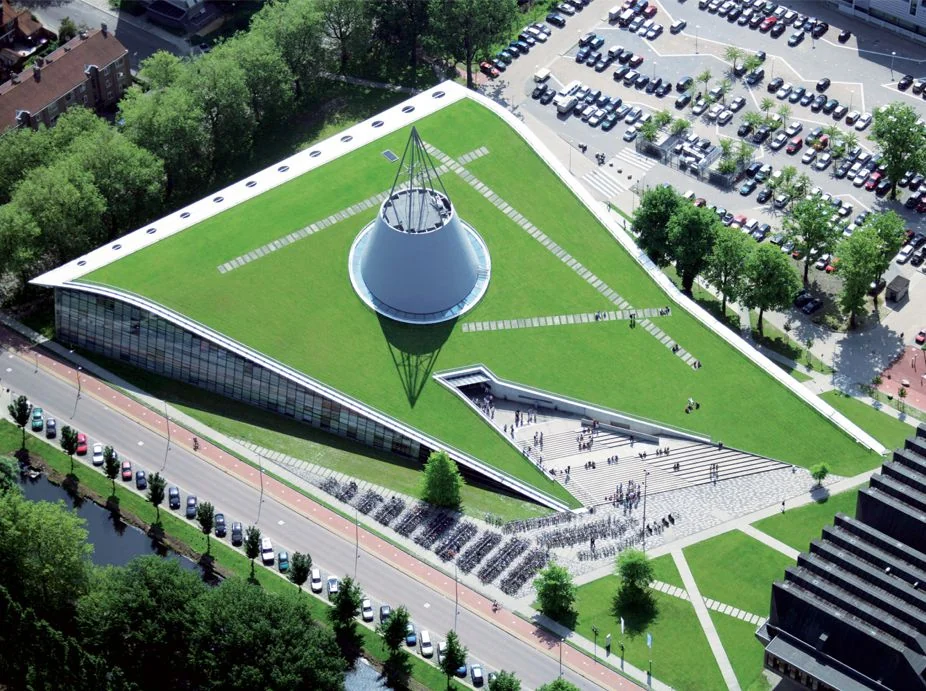
文首的封面是台夫特理工大學圖書館的斜坡草坪屋頂。荷蘭的優勢在「畢業後」:在荷蘭完成認證的碩士學位後,可以申請 1 年的求職年居留,期間可以自由工作、不需雇主另辦工作許可。荷蘭的英語普及度高,國際事務所多,是想留在歐洲發展的學生最常放進第一志願的國家。代價是學費:TU Delft 碩士非歐盟學費 2026/27 為 €25,633,TU/e 為 €21,700,和英國一年制碩士相比並不便宜,而且荷蘭的建築碩士多是兩年。
TU Delft 的 MSc Architecture, Urbanism and Building Sciences 為兩年 120 EC、英語授課;非歐盟申請者 2027 年入學的截止日是 2027 年 1 月 15 日,系統 2026 年 10 月 15 日開放。

瑞士:ETH Zurich 與 EPFL 為什麼還是「高 CP 值」?

ETH 和 EPFL 依瑞士聯邦理工學院委員會的收費規定,從 2025 年秋季起對「為求學而移居瑞士」的外國學生收取三倍學費:每學期 CHF 2,190(原本 CHF 730)。即使如此,一年 CHF 4,380 的學費放在世界頂尖理工學院裡仍然非常低;真正的成本在生活費,EPFL 官方估算外國學生不含學費一年約 CHF 25,000。
畢業後的路比較窄:非歐盟畢業生可以申請最多 6 個月的求職居留,而且是從畢業日起算,不可延長。要留下來,需要雇主替你申請工作許可;瑞士《外國人與融合法》第 21 條對瑞士學位畢業生、且工作具高度學術或經濟利益者,可免除本國勞工優先的限制。適合學術能力強、目標是頂尖學術或高門檻事務所的學生。
義大利:米蘭理工、都靈理工、羅馬大學、IED 怎麼選?
義大利是這份名單裡學費最友善的國家之一,但三所公立大學的算法都不同:
- 米蘭理工:住在海外的非歐盟學生自動適用最高級距,2026/27 標準修課量為 €3,883.04(含地區稅 €130)。
- 都靈理工:依國籍的購買力平價 GDP 調整,介於 €600 與 €3,600 之間;2026/27 規章附表中台灣為 €3,446。
- 羅馬大學 Sapienza:收入申報在海外者依國家分 A/B/C 三級,繳 €300/€700/€1,500;台灣、香港、新加坡、韓國都在 C 級。英語授課的建築相關碩士包括 Architecture (Conservation) 與 Landscape Architecture(以當年課程目錄為準)。
- IED 歐洲設計學院是私立學校,一年制 Master 課程(例如米蘭的 Interior Design、都靈的 Social Ecological Design)非歐盟全程費用 €22,300,包含 €3,000 註冊費。它更偏室內、展陳與設計實務,和理工大學的建築碩士是不同定位。
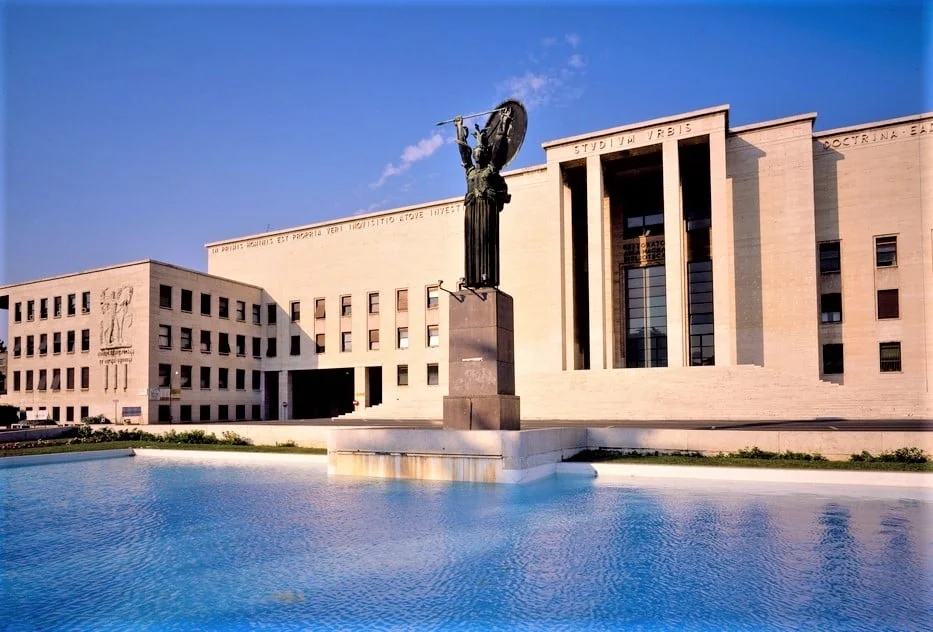
畢業後,在義大利拿到碩士學位的學生,可以把學生居留轉成約一年的求職或創業居留,先到當地的就業中心(Centro per l’Impiego)登記求職,期間找到工作就能轉成工作居留。
西班牙:UPC 與 IAAC 的差別在哪裡?
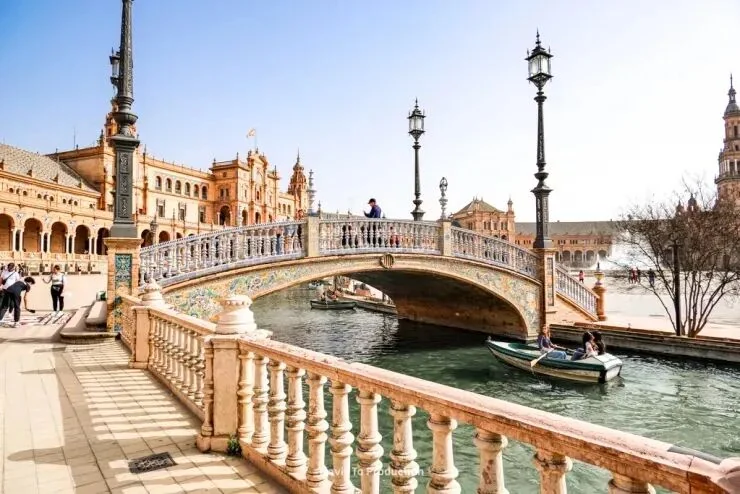
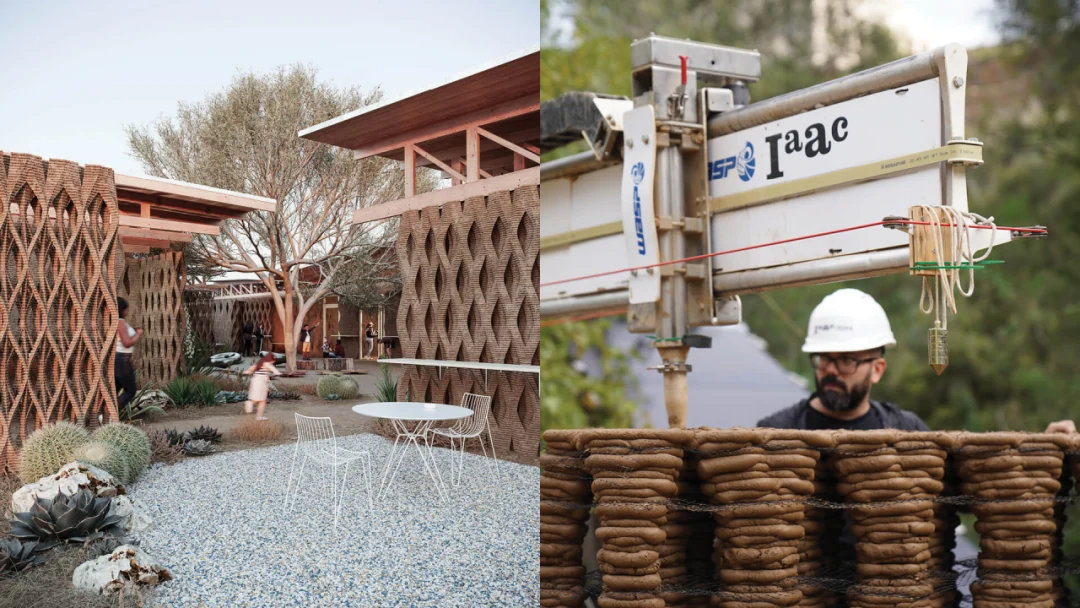
巴塞羅那的兩所學校風格很不一樣。UPC(ETSAB)是公立大學,官方碩士 2026-27 對非歐盟學生的首次修讀學分費是每學分 €45,MBArch 進階建築碩士 60–90 學分,學費大約 €2,700–€4,050,非常便宜;但要注意 MBArch 只有 Contemporary Project 方向是全英語授課。IAAC 是以數位製造、生態與科技為核心的研究型學院,Master in Advanced Architecture 一年制(60 ECTS)非歐盟學費 €17,490、兩年制(120 ECTS)€31,800,都含 €3,800 不退還的註冊費。
西班牙的求職或創業居留許可是這份名單裡最長的:24 個月、不可延長。但申請條件是已取得至少大學學士學歷,而且許可期間不能工作,找到工作後要再申請對應的工作居留。IAAC 的學位屬於與合作大學認證的碩士,是否符合這條路徑,入學前最好先向學校確認。
奧地利:因斯布魯克與維也納應用藝術大學適合誰?
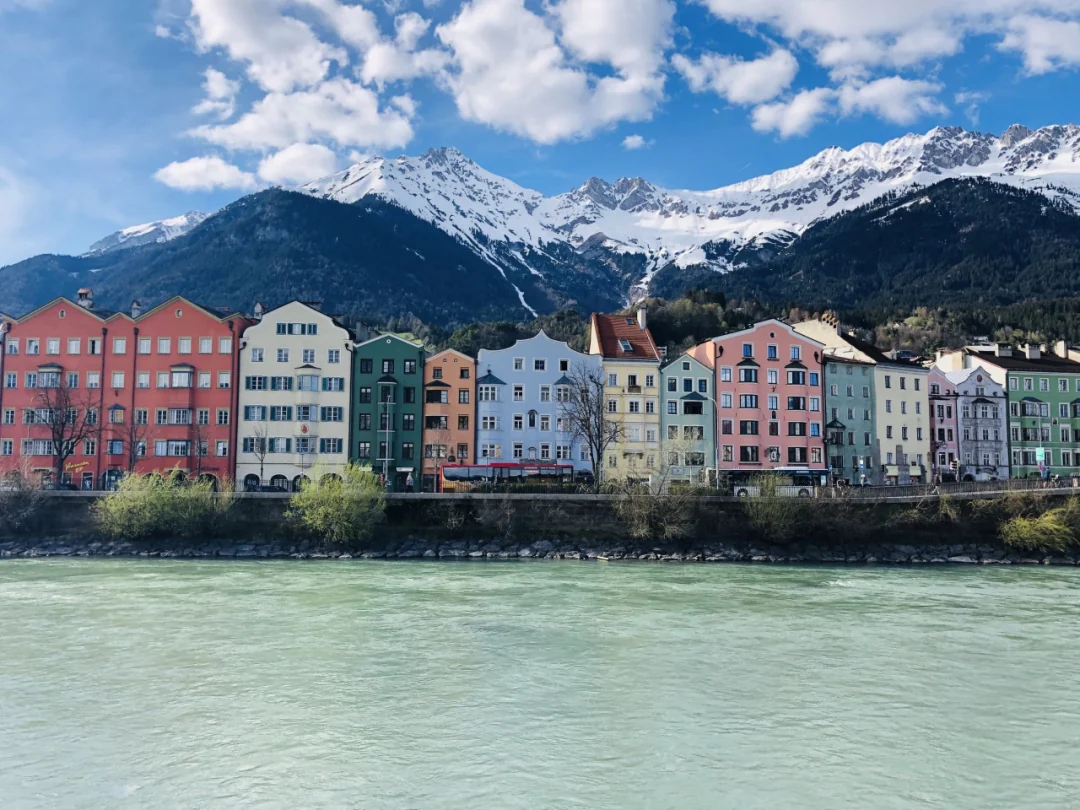
奧地利公立大學對第三國學生的學費統一很低:因斯布魯克大學每學期 €726.72(另加學生會費 €26.20),維也納應用藝術大學(die Angewandte)每學期 €752.92(已含學生會費)。不過兩校的語言條件完全不同:因斯布魯克的建築碩士是德語授課;die Angewandte 的建築 MArch 是英語授課、180 ECTS、6 個學期,等於一個較長的研究型工作室課程。
畢業後,第三國畢業生可以把學生居留延長 12 個月找工作或創業;期間拿到符合學歷、薪資達當地慣常水準的工作合約,就能申請畢業生紅白紅卡,不需勞動市場測試。換句話說,紅白紅卡需要雇主,不是畢業就能直接拿。
比利時:KU Leuven 建築碩士值得申請嗎?
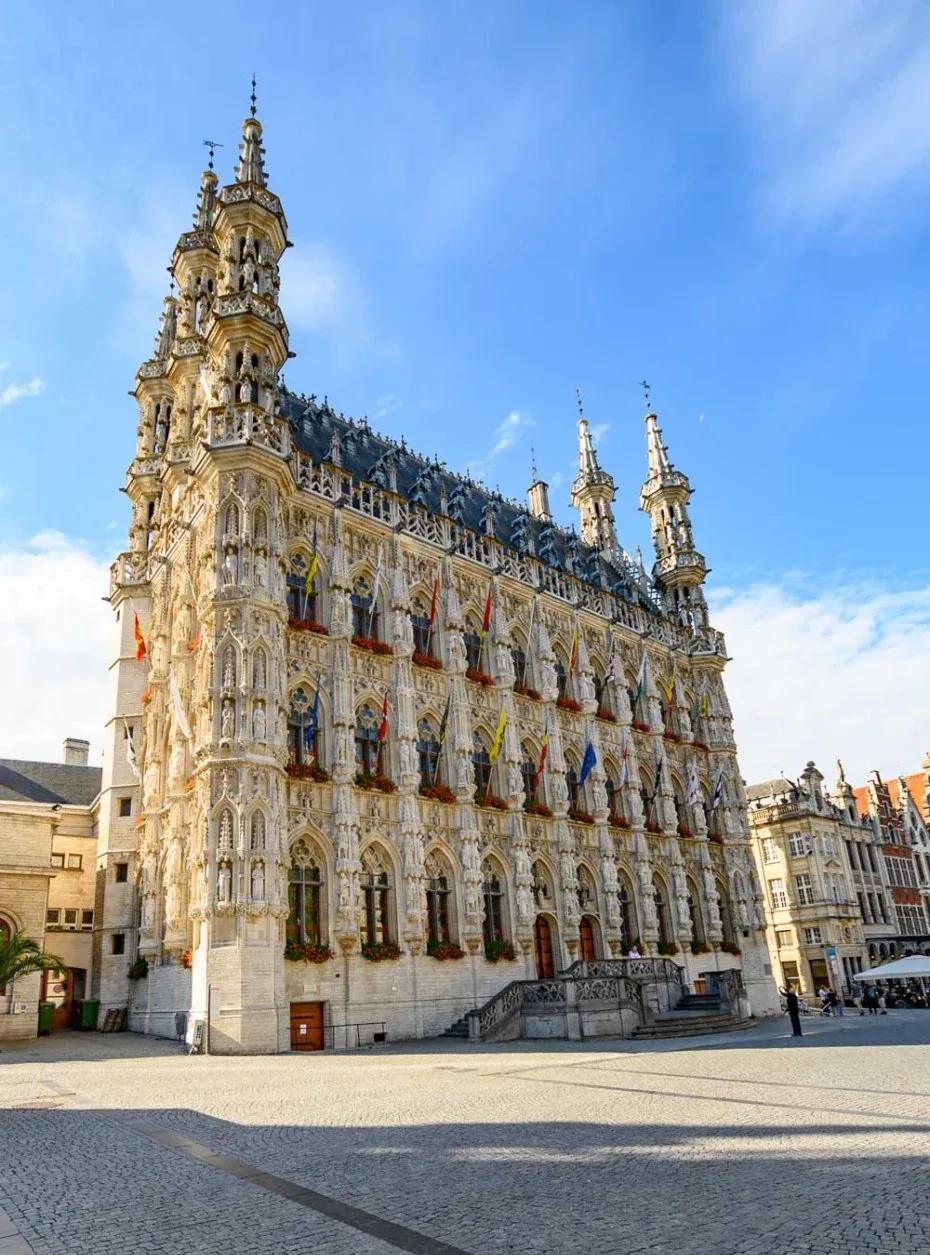
KU Leuven 的 Master of Architecture 為 120 ECTS、全英語授課(也有荷語版本),上課地點在根特或布魯塞爾校區,而不是魯汶本城。2026-27 非歐洲經濟區學生學費為每年 €9,493.92(以 60 學分計),介於荷蘭與南歐之間。畢業後可申請最長 12 個月、不可延長的找工作年,勞動市場不受限,記得在學生居留到期前 15 天提出。
捷克:UMPRUM 適合什麼樣的學生?

布拉格工藝美術學院(UMPRUM,英文常簡稱 AAAD)的 MA Program in English 學費是每學期 CZK 89,000(學校換算約 €3,650),兩年制 4 個學期,建築則是三年 6 個學期。這是一所藝術學院,建築教學以工作室為核心,適合重視創作與工藝、想在中歐生活成本較低的城市讀書的學生。畢業後可申請最長 9 個月、不可延長的求職或創業長期居留。
申請歐洲建築碩士,作品集要準備什麼?
歐洲的建築碩士多半要求作品集,而且看重的方向和美國不太一樣:很多學校更在意你能不能從基地、社會議題或材料實驗出發,把研究一路推到設計。下面三件我指導過的作品,可以當作參考方向——兩件以柏林真實基地為題,一件是材料與結構實驗:
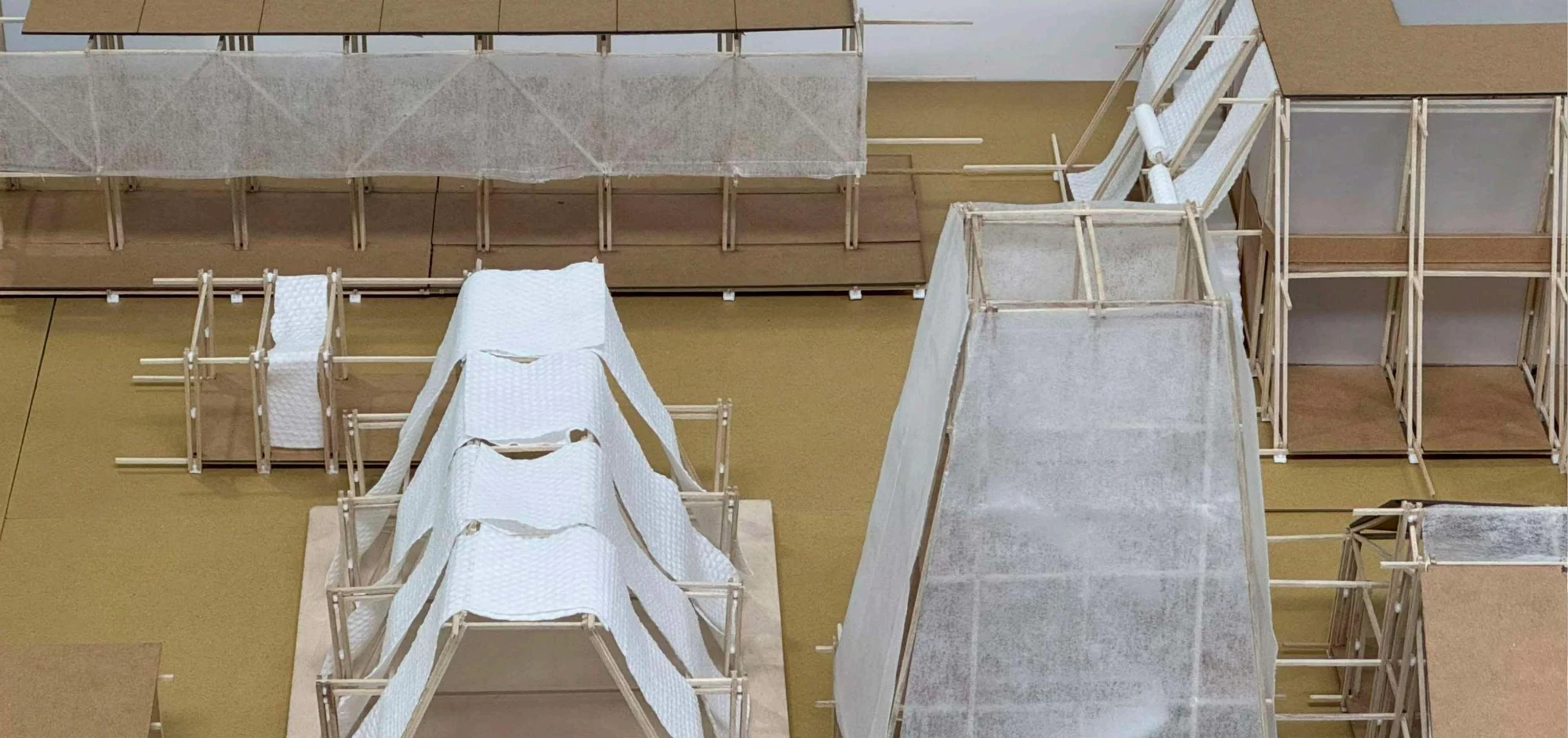
看完整作品:滕珀爾霍夫上的建造場 →
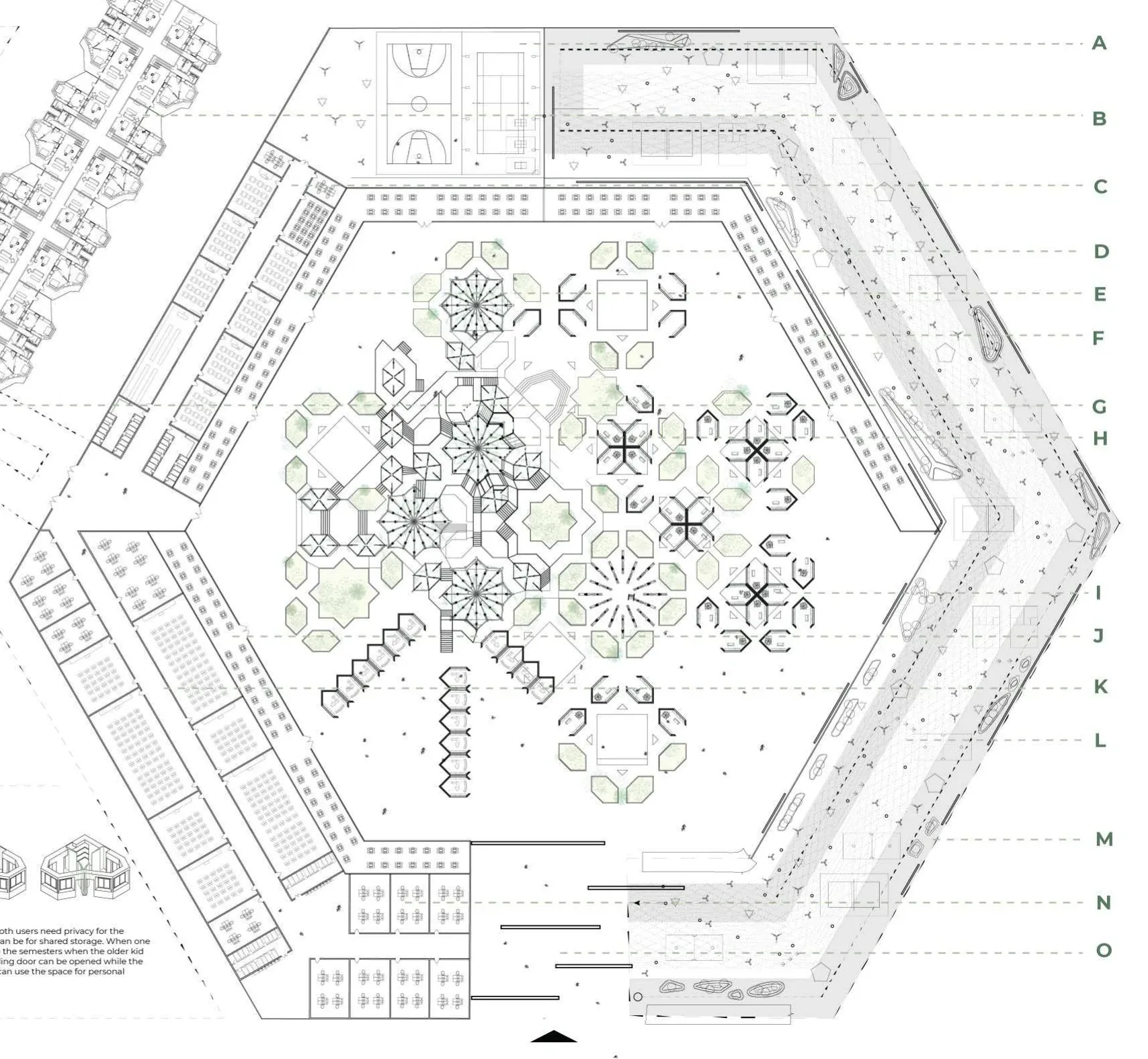
看完整作品:重新想像泰格爾 →
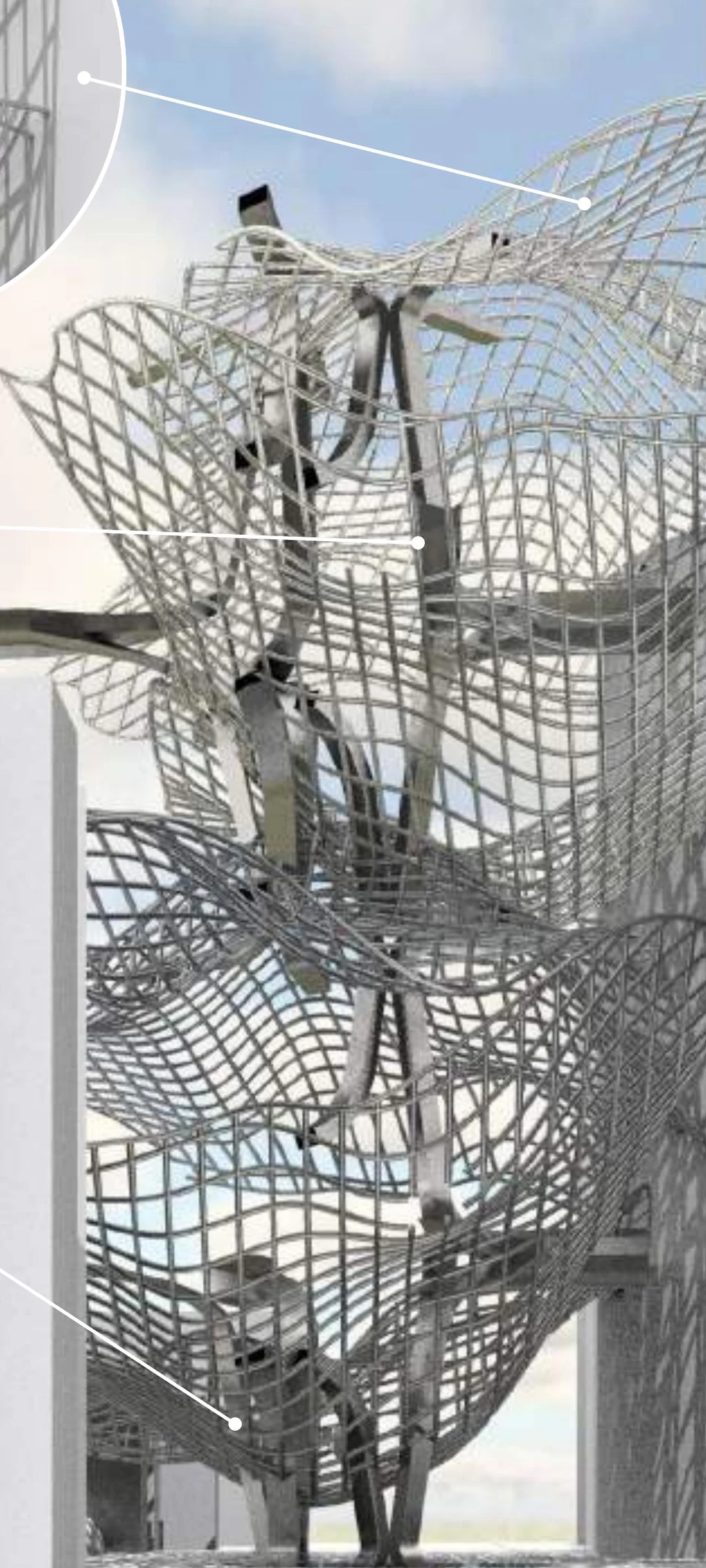
看完整作品:織網之城 →
想看更多錄取作品的解析,可以讀看完這五個作品,你會明白名校想要的到底是什麼;如果你同時在比較美國的五年制建築本科,可以看康乃爾建築本科為什麼地位這麼穩、康乃爾建築本科作品集怎麼做,以及普林斯頓建築本科錄取解析。更多學生作品請看作品牆。
怎麼依目標選歐洲建築學校?
- 想畢業後留歐工作:荷蘭(1 年求職年、期間可自由工作)和比利時(12 個月找工作年)的制度最直接;西班牙時間最長,但期間不能工作。
- 想進頂尖學術環境、學費又要低:ETH Zurich、EPFL,但要接受只有 6 個月的求職期與較高生活費。
- 預算有限、重視城市與文化體驗:米蘭理工、都靈理工、羅馬大學、UPC,以及維也納應用藝術大學。
- 重視數位製造與實驗:IAAC;重視藝術與工作室創作:die Angewandte、UMPRUM。
我指導過的學生裡,也有人拿到米蘭理工、魯汶大學等歐洲名校的錄取。我的建議是:先決定你畢業後想在哪裡生活、做什麼樣的工作,再回頭比較學費和工簽,最後才看排名。
本文依 2026 年 10 月各校與各國官方資料重新查核更新。學費與移民規定可能隨時調整,申請前請以官方最新公告為準。
说到建筑留学,多数人第一个想到的是美国和英国。但这几年我陪学生选校时,越来越常把欧洲大陆放进名单:荷兰、瑞士、意大利、西班牙、奥地利、比利时、捷克都有很强的建筑学院,不少学校的学费只有英美的零头,而且多数国家都有毕业后让你留下来找工作的居留许可。我自己在美国念书、之后在德国柏林工作过几年,很清楚「学费」和「毕业后能不能留下」这两件事,往往比排名更影响一个人的职涯。
这篇把 7 个国家、14 所学校的学费和毕业后工签整理在一起。原文发表于 2026 年 3 月,这次我在 2026 年 10 月逐项回到大学与各国移民机关官方网站重新查核,有几个数字已经变了(例如台夫特、ETH/EPFL 的学费),也修正了几个常见误解(例如西班牙的求职居留是 24 个月、奥地利红白红卡需要雇主)。
2026 年 10 月重新查核:以下学费以非欧盟/非欧洲经济区(non-EU/EEA)学生为准,除另有注明外为 2026/27 学年;每笔都附官方来源。学费每年调整,申请前请以学校当年公告为准。
为什么建筑留学值得考虑欧洲?
- 学费差距大:意大利、奥地利、西班牙公立大学的非欧盟学费每年多在数百到数千欧元;荷兰、比利时、私立设计学院较高,但多半仍低于英美。
- 毕业后有正式的求职居留:荷兰与比利时 1 年、西班牙 24 个月、意大利与奥地利约 1 年、捷克 9 个月、瑞士 6 个月。
- 英语授课普遍,但不是每校每科都是:这次查核就发现,因斯布鲁克大学的建筑硕士是德语授课;巴塞罗那 ETSAB 的 MBArch 也只有部分方向全英语。选校时一定要逐科确认授课语言。
14 所欧洲建筑院校学费一览(2026 年 10 月查核)
| 学校/课程(国家) | 非欧盟学费(官方) | 补充 |
|---|---|---|
| 台夫特理工大学 TU Delft|MSc Architecture, Urbanism and Building Sciences(荷兰) | €25,633/年(2026/27) | 2 年 120 EC,英语授课;2027/28 为 €26,479|官方 |
| 埃因霍温理工大学 TU/e|硕士(荷兰) | €21,700/年(2026/27) | 2027/28 为 €22,400|官方 |
| 苏黎世联邦理工 ETH Zurich(瑞士) | CHF 2,190/学期 | 2025 秋季起,为求学而移居瑞士的外国学生学费为三倍|官方 |
| 洛桑联邦理工 EPFL(瑞士) | CHF 2,190/学期 | 含其他杂费每学期帐单 CHF 2,240|官方 |
| 米兰理工 Politecnico di Milano|Laurea Magistrale(意大利) | €3,883.04/年 | 海外居住的非欧盟学生自动适用最高级距(含地区税 €130)|官方 |
| 都灵理工 Politecnico di Torino(意大利) | 依国籍 €600–€3,600 | 2026/27 规章附表中台湾为 €3,446|官方 |
| 罗马大学 Sapienza(意大利) | €300/€700/€1,500(依国家分级) | 收入申报在海外者缴固定金额;台湾属 C 级 €1,500|官方 |
| 欧洲设计学院 IED|一年制 Master(如米兰 Interior Design、都灵 Social Ecological Design)(意大利) | €22,300(全程) | 含注册费 €3,000,2026 年 11 月开课|官方 |
| 加泰隆尼亚理工 UPC(ETSAB)|官方硕士,如 MBArch(西班牙) | €45/学分(首次修读) | MBArch 60–90 学分,约 €2,700–€4,050(不含行政费);只有 Contemporary Project 方向全英语|官方、MBArch |
| 加泰隆尼亚高等建筑学院 IAAC|Master in Advanced Architecture(西班牙) | 一年制 €17,490;两年制 €31,800 | 含不退还注册费 €3,800;英语授课|官方 |
| 因斯布鲁克大学 Universität Innsbruck(奥地利) | €726.72/学期 | 另缴学生会费 €26.20;建筑硕士为德语授课|学费、课程 |
| 维也纳应用艺术大学 die Angewandte(奥地利) | €752.92/学期 | 建筑 MArch 180 ECTS、6 学期、英语授课|学费、课程 |
| 鲁汶大学 KU Leuven|Master of Architecture(比利时) | €9,493.92/年(2026/27) | 120 ECTS,在根特或布鲁塞尔校区上课,全英语(也有荷语)|学费、课程 |
| 布拉格工艺美术学院 UMPRUM(AAAD)|MA Program in English(捷克) | CZK 89,000/学期(官方换算约 €3,650) | 建筑为三年 6 学期|官方 |
几个重点:台夫特 2026/27 的非欧盟硕士学费已到 €25,633,比原文写的 €22,290 高;ETH 和 EPFL 从 2025 年秋季起对外国学生收三倍学费,每学期 CHF 2,190,一年约 CHF 4,380,仍是顶尖理工学院里最便宜的一群。意大利三所公立大学的计算方式都和「国籍或收入申报地」有关,同一所学校,不同国家的学生缴的不一样。
毕业后能留下来工作吗?各国求职居留怎么比?
| 国家 | 许可名称 | 期限 | 重点 |
|---|---|---|---|
| 荷兰 | 高学历人才求职年 Orientation year | 1 年,不可延长 | 期间可自由工作、不需工作许可;找到工作可转高技术移民等居留|IND |
| 瑞士 | 毕业后求职居留(L 许可) | 自毕业起最多 6 个月 | 6 个月从毕业日起算,不是从原居留到期起算;期间打工限制与在学相同|ETH、SEM |
| 意大利 | 求职或创业居留(ricerca lavoro o imprenditorialità) | 约 1 年 | 硕士毕业可把学生居留转换,须先到 Centro per l’Impiego 登记求职;期间找到工作可转工作居留|Polimi |
| 西班牙 | 求职或创业居留许可 | 24 个月,不可延长 | 需已取得至少大学学士学历;许可期间不能工作,找到工作再申请对应的工作居留|西班牙移民部 |
| 奥地利 | 学生居留延长求职或创业 | 12 个月 | 期间拿到符合学历的工作,可申请毕业生红白红卡(免劳动市场测试,但需雇主与当地惯常薪资)|migration.gv.at |
| 比利时 | 找工作年 zoekjaar/search year | 最长 12 个月,不可延长 | 劳动市场不受限;须在学生居留到期前 15 天申请|KU Leuven |
| 捷克 | 求职或创业长期居留 | 最长 9 个月,不可延长 | 须完成捷克的认证学位课程|捷克内政部 IPC |
和原文相比,这次查核修正了三点:西班牙现行规定是 24 个月、不可延长,而且期间不能工作;奥地利的红白红卡不是「免雇主担保直接申请」,而是先延长 12 个月找工作,拿到雇主的工作合约后才能申请;意大利毕业生适用的是「求职或创业」居留,不是给失业者的「待业居留」。
荷兰:TU Delft 与 TU/e 适合谁?
文首的封面是台夫特理工大学图书馆的斜坡草坪屋顶。荷兰的优势在「毕业后」:在荷兰完成认证的硕士学位后,可以申请 1 年的求职年居留,期间可以自由工作、不需雇主另办工作许可。荷兰的英语普及度高,国际事务所多,是想留在欧洲发展的学生最常放进第一志愿的国家。代价是学费:TU Delft 硕士非欧盟学费 2026/27 为 €25,633,TU/e 为 €21,700,和英国一年制硕士相比并不便宜,而且荷兰的建筑硕士多是两年。
TU Delft 的 MSc Architecture, Urbanism and Building Sciences 为两年 120 EC、英语授课;非欧盟申请者 2027 年入学的截止日是 2027 年 1 月 15 日,系统 2026 年 10 月 15 日开放。
瑞士:ETH Zurich 与 EPFL 为什么还是「高 CP 值」?
ETH 和 EPFL 依瑞士联邦理工学院委员会的收费规定,从 2025 年秋季起对「为求学而移居瑞士」的外国学生收取三倍学费:每学期 CHF 2,190(原本 CHF 730)。即使如此,一年 CHF 4,380 的学费放在世界顶尖理工学院里仍然非常低;真正的成本在生活费,EPFL 官方估算外国学生不含学费一年约 CHF 25,000。
毕业后的路比较窄:非欧盟毕业生可以申请最多 6 个月的求职居留,而且是从毕业日起算,不可延长。要留下来,需要雇主替你申请工作许可;瑞士《外国人与融合法》第 21 条对瑞士学位毕业生、且工作具高度学术或经济利益者,可免除本国劳工优先的限制。适合学术能力强、目标是顶尖学术或高门槛事务所的学生。
意大利:米兰理工、都灵理工、罗马大学、IED 怎么选?
意大利是这份名单里学费最友善的国家之一,但三所公立大学的算法都不同:
- 米兰理工:住在海外的非欧盟学生自动适用最高级距,2026/27 标准修课量为 €3,883.04(含地区税 €130)。
- 都灵理工:依国籍的购买力平价 GDP 调整,介于 €600 与 €3,600 之间;2026/27 规章附表中台湾为 €3,446。
- 罗马大学 Sapienza:收入申报在海外者依国家分 A/B/C 三级,缴 €300/€700/€1,500;台湾、香港、新加坡、韩国都在 C 级。英语授课的建筑相关硕士包括 Architecture (Conservation) 与 Landscape Architecture(以当年课程目录为准)。
- IED 欧洲设计学院是私立学校,一年制 Master 课程(例如米兰的 Interior Design、都灵的 Social Ecological Design)非欧盟全程费用 €22,300,包含 €3,000 注册费。它更偏室内、展陈与设计实务,和理工大学的建筑硕士是不同定位。
毕业后,在意大利拿到硕士学位的学生,可以把学生居留转成约一年的求职或创业居留,先到当地的就业中心(Centro per l’Impiego)登记求职,期间找到工作就能转成工作居留。
西班牙:UPC 与 IAAC 的差别在哪里?
巴塞罗那的两所学校风格很不一样。UPC(ETSAB)是公立大学,官方硕士 2026-27 对非欧盟学生的首次修读学分费是每学分 €45,MBArch 进阶建筑硕士 60–90 学分,学费大约 €2,700–€4,050,非常便宜;但要注意 MBArch 只有 Contemporary Project 方向是全英语授课。IAAC 是以数字制造、生态与科技为核心的研究型学院,Master in Advanced Architecture 一年制(60 ECTS)非欧盟学费 €17,490、两年制(120 ECTS)€31,800,都含 €3,800 不退还的注册费。
西班牙的求职或创业居留许可是这份名单里最长的:24 个月、不可延长。但申请条件是已取得至少大学学士学历,而且许可期间不能工作,找到工作后要再申请对应的工作居留。IAAC 的学位属于与合作大学认证的硕士,是否符合这条路径,入学前最好先向学校确认。
奥地利:因斯布鲁克与维也纳应用艺术大学适合谁?
奥地利公立大学对第三国学生的学费统一很低:因斯布鲁克大学每学期 €726.72(另加学生会费 €26.20),维也纳应用艺术大学(die Angewandte)每学期 €752.92(已含学生会费)。不过两校的语言条件完全不同:因斯布鲁克的建筑硕士是德语授课;die Angewandte 的建筑 MArch 是英语授课、180 ECTS、6 个学期,等于一个较长的研究型工作室课程。
毕业后,第三国毕业生可以把学生居留延长 12 个月找工作或创业;期间拿到符合学历、薪资达当地惯常水准的工作合约,就能申请毕业生红白红卡,不需劳动市场测试。换句话说,红白红卡需要雇主,不是毕业就能直接拿。
比利时:KU Leuven 建筑硕士值得申请吗?
KU Leuven 的 Master of Architecture 为 120 ECTS、全英语授课(也有荷语版本),上课地点在根特或布鲁塞尔校区,而不是鲁汶本城。2026-27 非欧洲经济区学生学费为每年 €9,493.92(以 60 学分计),介于荷兰与南欧之间。毕业后可申请最长 12 个月、不可延长的找工作年,劳动市场不受限,记得在学生居留到期前 15 天提出。
捷克:UMPRUM 适合什么样的学生?
布拉格工艺美术学院(UMPRUM,英文常简称 AAAD)的 MA Program in English 学费是每学期 CZK 89,000(学校换算约 €3,650),两年制 4 个学期,建筑则是三年 6 个学期。这是一所艺术学院,建筑教学以工作室为核心,适合重视创作与工艺、想在中欧生活成本较低的城市读书的学生。毕业后可申请最长 9 个月、不可延长的求职或创业长期居留。
申请欧洲建筑硕士,作品集要准备什么?
欧洲的建筑硕士多半要求作品集,而且看重的方向和美国不太一样:很多学校更在意你能不能从基地、社会议题或材料实验出发,把研究一路推到设计。下面三件我指导过的作品,可以当作参考方向——两件以柏林真实基地为题,一件是材料与结构实验:
看完整作品:滕珀尔霍夫上的建造场 →
看完整作品:重新想像泰格尔 →
看完整作品:织网之城 →
想看更多录取作品的解析,可以读看完这五个作品,你会明白名校想要的到底是什么;如果你同时在比较美国的五年制建筑本科,可以看康乃尔建筑本科为什么地位这么稳、康乃尔建筑本科作品集怎么做,以及普林斯顿建筑本科录取解析。更多学生作品请看作品墙。
怎么依目标选欧洲建筑学校?
- 想毕业后留欧工作:荷兰(1 年求职年、期间可自由工作)和比利时(12 个月找工作年)的制度最直接;西班牙时间最长,但期间不能工作。
- 想进顶尖学术环境、学费又要低:ETH Zurich、EPFL,但要接受只有 6 个月的求职期与较高生活费。
- 预算有限、重视城市与文化体验:米兰理工、都灵理工、罗马大学、UPC,以及维也纳应用艺术大学。
- 重视数字制造与实验:IAAC;重视艺术与工作室创作:die Angewandte、UMPRUM。
我指导过的学生里,也有人拿到米兰理工、鲁汶大学等欧洲名校的录取。我的建议是:先决定你毕业后想在哪里生活、做什么样的工作,再回头比较学费和工签,最后才看排名。
本文依 2026 年 10 月各校与各国官方资料重新查核更新。学费与移民规定可能随时调整,申请前请以官方最新公告为准。
When people talk about studying architecture abroad, most of them think first of the United States and the United Kingdom. Over the past few years, as I have helped students choose schools, I have been putting continental Europe on the list more and more often: the Netherlands, Switzerland, Italy, Spain, Austria, Belgium and the Czech Republic all have strong architecture schools, and at many of them tuition is only a fraction of UK or US fees, while most of these countries also offer a residence permit that lets you stay and look for work after graduation. I studied in the United States and then worked in Berlin for several years, so I know that tuition, and whether you can stay after you graduate, often shape a career more than rankings do.
This post brings together tuition and post-graduation work permits for 14 schools in 7 countries. The original was published in March 2026. This time, in October 2026, I went back to the official websites of the universities and of each country’s immigration authorities and rechecked every figure. Several numbers have already changed (tuition at TU Delft and at ETH Zurich / EPFL, for example), and I have also corrected a few common misunderstandings (Spain’s job-seeking residence is 24 months, for example, and Austria’s Red-White-Red Card requires an employer).
Rechecked in October 2026: the tuition below is for non-EU/EEA students and, unless noted otherwise, for the 2026/27 academic year. Each figure is linked to an official source. Tuition is adjusted every year; before you apply, use the school’s announcement for that year.
Why is Europe worth considering for architecture study?
- Tuition varies widely: at public universities in Italy, Austria and Spain, non-EU tuition is often a few hundred to a few thousand euros a year. The Netherlands, Belgium and private design schools cost more, but in most cases still less than the UK or the US.
- There is a formal job-seeking residence after graduation: 1 year in the Netherlands and Belgium, 24 months in Spain, about 1 year in Italy and Austria, 9 months in the Czech Republic, and 6 months in Switzerland.
- English-taught courses are common, but not at every school and not for every course: this check found that the architecture master’s at the University of Innsbruck is taught in German, and that only some tracks of the MBArch at ETSAB in Barcelona are fully in English. When you choose a school, confirm the language of instruction course by course.
Tuition at 14 European architecture schools (checked October 2026)
| School / course (country) | Non-EU tuition (official) | Notes |
|---|---|---|
| TU Delft|MSc Architecture, Urbanism and Building Sciences (Netherlands) | €25,633/year (2026/27) | 2 years, 120 EC, taught in English; €26,479 for 2027/28|Official |
| TU/e (Eindhoven)|master’s (Netherlands) | €21,700/year (2026/27) | €22,400 for 2027/28|Official |
| ETH Zurich (Switzerland) | CHF 2,190/semester | From autumn 2025, tuition is three times the previous fee for foreign students who move to Switzerland in order to study|Official |
| EPFL (Switzerland) | CHF 2,190/semester | The semester bill, including other fees, is CHF 2,240|Official |
| Politecnico di Milano|Laurea Magistrale (Italy) | €3,883.04/year | Non-EU students living abroad are automatically placed in the highest band (including the regional tax of €130)|Official |
| Politecnico di Torino (Italy) | €600–€3,600 by nationality | In the annex to the 2026/27 regulations, Taiwan is €3,446|Official |
| Sapienza (Italy) | €300 / €700 / €1,500 (banded by country) | Students who declare income abroad pay a fixed amount; Taiwan is band C at €1,500|Official |
| IED|one-year Master (for example Interior Design in Milan and Social Ecological Design in Turin) (Italy) | €22,300 (full course) | Includes a €3,000 enrolment fee; the course starts in November 2026|Official |
| UPC (ETSAB)|official master’s, such as the MBArch (Spain) | €45/credit (first enrolment) | The MBArch is 60–90 credits, about €2,700–€4,050 (excluding administrative fees); only the Contemporary Project track is fully in English|Official, MBArch |
| IAAC|Master in Advanced Architecture (Spain) | €17,490 for one year; €31,800 for two years | Includes a non-refundable enrolment fee of €3,800; taught in English|Official |
| University of Innsbruck (Austria) | €726.72/semester | Plus a student-union fee of €26.20; the architecture master’s is taught in German|Tuition, Course |
| University of Applied Arts Vienna (die Angewandte) (Austria) | €752.92/semester | Architecture MArch, 180 ECTS, 6 semesters, taught in English|Tuition, Course |
| KU Leuven|Master of Architecture (Belgium) | €9,493.92/year (2026/27) | 120 ECTS, taught at the Ghent or Brussels campus, fully in English (Dutch is also offered)|Tuition, Course |
| UMPRUM (AAAD)|MA Program in English (Czech Republic) | CZK 89,000/semester (the official conversion is about €3,650) | Architecture is three years, 6 semesters|Official |
A few points stand out. TU Delft’s non-EU master’s tuition for 2026/27 has reached €25,633, higher than the €22,290 in the original post. From autumn 2025, ETH Zurich and EPFL charge foreign students three times the previous tuition, CHF 2,190 per semester, about CHF 4,380 a year, and they are still among the least expensive of the leading technical universities. At all three Italian public universities the calculation depends on nationality or on where income is declared, so students from different countries pay different amounts at the same school.
Can you stay and work after graduation? How do the countries’ job-seeking residence permits compare?
| Country | Permit | Duration | Key points |
|---|---|---|---|
| Netherlands | Orientation year for highly educated persons | 1 year, cannot be extended | You may work freely during this period, with no work permit required; once you have a job you can switch to a residence permit such as the highly skilled migrant permit|IND |
| Switzerland | Post-graduation job-seeking residence (L permit) | At most 6 months from graduation | The 6 months are counted from the graduation date, not from the expiry of the previous residence permit; limits on paid work are the same as while you are studying|ETH, SEM |
| Italy | Residence for job-seeking or entrepreneurship (ricerca lavoro o imprenditorialità) | About 1 year | Master’s graduates can convert their student residence, and must first register as jobseekers at the Centro per l’Impiego; if you find work during the period you can convert to a work residence permit|Polimi |
| Spain | Residence permit for job-seeking or starting a business | 24 months, cannot be extended | You must already hold at least a university bachelor’s degree; you cannot work during the permit, and once you find a job you apply for the corresponding work residence permit|Spanish Ministry of Migration |
| Austria | Student residence extended to look for work or start a business | 12 months | If you obtain a job that matches your qualification during this period, you can apply for the graduate Red-White-Red Card (no labour-market test, but you need an employer and the locally customary wage)|migration.gv.at |
| Belgium | Search year (zoekjaar / search year) | Up to 12 months, cannot be extended | No restriction on the labour market; apply at least 15 days before the student residence expires|KU Leuven |
| Czech Republic | Long-term residence for job-seeking or starting a business | Up to 9 months, cannot be extended | You must have completed an accredited degree course in the Czech Republic|Czech Ministry of the Interior IPC |
Compared with the original post, this check corrects three points. Spain: the current rule is 24 months, it cannot be extended, and you cannot work during that period. Austria: the Red-White-Red Card is not something you “apply for directly, with no employer sponsorship”. You first extend your stay by 12 months to look for work, and you can apply only after you have a job contract from an employer. Italy: what applies to graduates is the residence permit for “job-seeking or entrepreneurship”, not the “awaiting employment” permit for people who are out of work.
The Netherlands: who are TU Delft and TU/e (Eindhoven) for?
The cover at the start of this article is the sloping grass roof of the TU Delft library. The advantage of the Netherlands comes after graduation: once you complete an accredited master’s degree there, you can apply for a one-year orientation-year residence permit. During that year you may work freely, and your employer does not have to arrange a separate work permit. English is widely spoken and there are many international firms, so students who want to build a career in Europe most often put the Netherlands among their first choices. The price is tuition. Non-EU master’s tuition for 2026/27 is €25,633 at TU Delft and €21,700 at TU/e. Next to a one-year master’s in the UK, that is not cheap, and most architecture master’s degrees in the Netherlands take two years.
TU Delft’s MSc Architecture, Urbanism and Building Sciences is two years, 120 EC, and taught in English. For non-EU applicants entering in 2027, the deadline is 15 January 2027, and the system opens on 15 October 2026.
Switzerland: why are ETH Zurich and EPFL still “good value for money”?
Under the fee rules of the ETH Board, from autumn 2025 ETH Zurich and EPFL charge triple tuition to foreign students who “move to Switzerland in order to study”: CHF 2,190 per semester (previously CHF 730). Even so, CHF 4,380 a year is still very low among the world’s leading technical universities. The real cost is living expenses. EPFL officially estimates about CHF 25,000 a year for a foreign student, excluding tuition.
The path after graduation is narrower. Non-EU graduates can apply for a job-seeking residence of at most 6 months, and it is counted from the date of graduation and cannot be extended. To stay on, an employer has to apply for a work permit for you. Article 21 of the Swiss Foreign Nationals and Integration Act waives the priority given to domestic workers for graduates of Swiss degrees whose work is of high academic or economic interest. This suits students with strong academic ability whose aim is top academic work or a highly selective office.
Italy: how do you choose among Politecnico di Milano, Politecnico di Torino, Sapienza and IED?
Italy is one of the most tuition-friendly countries on this list, but the three public universities calculate fees differently:
- Politecnico di Milano: non-EU students living abroad are automatically placed in the highest band. A standard course load in 2026/27 is €3,883.04 (including the regional tax of €130).
- Politecnico di Torino: the fee is adjusted by nationality using GDP at purchasing power parity, and falls between €600 and €3,600. In the annex to the 2026/27 regulations, Taiwan is €3,446.
- Sapienza: students who declare income abroad are placed in country bands A, B and C and pay €300, €700 or €1,500. Taiwan, Hong Kong, Singapore and South Korea are all in band C. English-taught architecture-related master’s degrees include Architecture (Conservation) and Landscape Architecture (check that year’s course catalogue).
- IED is a private school. For a one-year Master course (Interior Design in Milan, or Social Ecological Design in Turin, for example), the full non-EU fee is €22,300, including a €3,000 enrolment fee. It leans toward interiors, exhibition design and design practice, a different position from an architecture master’s at a polytechnic.
After graduation, students who earn a master’s degree in Italy can convert their student residence into a job-seeking or entrepreneurship residence of about one year. You first register as a jobseeker at the local employment centre (Centro per l’Impiego); if you find work during that period, you can convert it into a work residence permit.
Spain: what is the difference between UPC and IAAC?
The two schools in Barcelona have very different characters. UPC (ETSAB) is a public university. For official master’s degrees in 2026-27, a non-EU student pays €45 per credit on first enrolment. The MBArch, an advanced architecture master’s, is 60–90 credits, so tuition is about €2,700–€4,050, which is very low. Note that only the Contemporary Project track of the MBArch is taught fully in English. IAAC is a research school centred on digital fabrication, ecology and technology. For the Master in Advanced Architecture, non-EU tuition is €17,490 for the one-year course (60 ECTS) and €31,800 for the two-year course (120 ECTS), and both include a non-refundable enrolment fee of €3,800.
Spain’s residence permit for job-seeking or starting a business is the longest on this list: 24 months, and it cannot be extended. The condition is that you already hold at least a university bachelor’s degree, and you cannot work while the permit is valid. After you find a job you apply again for the corresponding work residence permit. IAAC’s degree is a master’s accredited with a partner university; whether it qualifies for this route is best confirmed with the school before you enrol.
Austria: who are the University of Innsbruck and the University of Applied Arts Vienna for?
Tuition for third-country students at Austrian public universities is uniformly low: €726.72 per semester at the University of Innsbruck (plus a student-union fee of €26.20), and €752.92 per semester at the University of Applied Arts Vienna (die Angewandte), which already includes the student-union fee. The language requirements are completely different. The architecture master’s at the University of Innsbruck is taught in German. The architecture MArch at die Angewandte is taught in English, 180 ECTS over 6 semesters, a longer research-studio course.
After graduation, third-country graduates can extend their student residence for 12 months to look for work or start a business. If during that time you obtain a job contract that matches your qualification and pays the locally customary wage, you can apply for the graduate Red-White-Red Card, with no labour-market test. In other words, the Red-White-Red Card requires an employer. You do not receive it simply by graduating.
Belgium: is the architecture master’s at KU Leuven worth applying for?
KU Leuven’s Master of Architecture is 120 ECTS and taught fully in English (a Dutch-taught version is also offered). Classes are at the Ghent or Brussels campus, not in the city of Leuven itself. For 2026-27, tuition for non-EEA students is €9,493.92 a year (calculated on 60 credits), between the Netherlands and southern Europe. After graduation you can apply for a search year of up to 12 months. It cannot be extended, and there is no labour-market restriction. Apply at least 15 days before your student residence expires.
The Czech Republic: what kind of student is UMPRUM for?
At UMPRUM (AAAD, the Academy of Arts, Architecture and Design in Prague), tuition for the MA Program in English is CZK 89,000 per semester (the school’s conversion is about €3,650). The two-year course is 4 semesters; architecture is three years and 6 semesters. This is an art school, and architecture is taught through the studio. It suits students who care about making and craft and who want to study in a Central European city with a lower cost of living. After graduation you can apply for a long-term residence for job-seeking or starting a business of up to 9 months, and it cannot be extended.
What should a portfolio include for a European architecture master’s?
Most architecture master’s degrees in Europe ask for a portfolio, and what they value differs from the United States. Many schools care more about whether you can start from a site, a social question or a material experiment and carry the research all the way through to a design. The three projects I have supervised below can serve as reference directions — two take a real site in Berlin as their subject, and one is an experiment in material and structure:
See the full project: Building-Field on Tempelhof →
See the full project: Reimagining Tegel →
See the full project: Fabric City →
For more close readings of admitted work, read After these five projects, you will see what top schools actually want. If you are also comparing five-year architecture undergraduate degrees in the United States, see Why Cornell’s undergraduate architecture degree has such a steady standing, How to make a Cornell undergraduate architecture portfolio, and A reading of Princeton undergraduate architecture admissions. For more student work, see the work wall.
How do you choose a European architecture school for your goal?
- If you want to stay and work in Europe after graduation: the Netherlands (a one-year orientation year, during which you may work freely) and Belgium (a 12-month search year) have the most straightforward systems. Spain gives you the longest time, but you cannot work during it.
- If you want a top academic setting and low tuition: ETH Zurich and EPFL, accepting a job-seeking period of only 6 months and a higher cost of living.
- If your budget is limited and you care about the city and the culture: Politecnico di Milano, Politecnico di Torino, Sapienza, UPC, and the University of Applied Arts Vienna.
- If you care about digital fabrication and experiment: IAAC. If you care about art and studio making: die Angewandte and UMPRUM.
Among the students I have supervised, some have been admitted to European schools such as Politecnico di Milano and KU Leuven. My advice is to decide first where you want to live after graduation and what kind of work you want to do, then compare tuition and work permits, and look at rankings last.
This article was rechecked and updated in October 2026 against official sources from each school and country. Tuition and immigration rules can change at any time. Before you apply, use the latest official announcements.
English summary
Where can you study architecture in Europe, what does it cost, and can you stay to work afterwards? This post compares non-EU tuition and post-study permits at 14 schools, re-checked on official university and government sites on 2026-10-21. Tuition: TU Delft MSc €25,633/yr and TU/e €21,700 (2026/27); ETH Zurich and EPFL CHF 2,190 per semester for foreign students since autumn 2025; Politecnico di Milano €3,883.04; Politecnico di Torino €600–3,600 by nationality; Sapienza €300/€700/€1,500 by country band; IED one-year masters €22,300; UPC official masters €45 per credit; IAAC MAA €17,490 (1 year); Innsbruck €726.72 and die Angewandte €752.92 per semester; KU Leuven Master of Architecture €9,493.92/yr; UMPRUM CZK 89,000 per semester. Post-study: Netherlands 1-year orientation year (work freely), Belgium up to 12 months, Spain 24 months (no work during the permit), Italy about 1 year, Austria 12 months then a Red-White-Red Card with a job offer, Czechia up to 9 months, Switzerland up to 6 months from graduation. Check the language of instruction: Innsbruck's architecture master is taught in German.
常見問題常见问题FAQ
歐洲哪些建築學校學費最便宜?欧洲哪些建筑学校学费最便宜?Which architecture schools in Europe have the lowest tuition?
以 2026 年 10 月查核的非歐盟學費來看,奧地利公立大學(因斯布魯克每學期 €726.72、維也納應用藝術大學每學期 €752.92)、羅馬大學(依國家 €300–€1,500/年)、都靈理工(€600–€3,600/年)、米蘭理工(€3,883.04/年)與 UPC 官方碩士(每學分 €45)都屬於最低的一群。
以 2026 年 10 月查核的非欧盟学费来看,奥地利公立大学(因斯布鲁克每学期 €726.72、维也纳应用艺术大学每学期 €752.92)、罗马大学(依国家 €300–€1,500/年)、都灵理工(€600–€3,600/年)、米兰理工(€3,883.04/年)与 UPC 官方硕士(每学分 €45)都属于最低的一群。
On the non-EU fees checked in October 2026, the lowest group includes Austrian public universities (the University of Innsbruck at €726.72 per semester and the University of Applied Arts Vienna at €752.92 per semester), Sapienza (€300–€1,500 a year, depending on the country), Politecnico di Torino (€600–€3,600 a year), Politecnico di Milano (€3,883.04 a year) and official master’s degrees at UPC (€45 per credit).
在歐洲讀完建築碩士,哪個國家畢業後最容易留下來工作?在欧洲读完建筑硕士,哪个国家毕业后最容易留下来工作?After an architecture master’s in Europe, which country makes it easiest to stay and work?
制度上最直接的是荷蘭:畢業後可申請 1 年求職年,期間可自由工作、不需工作許可。比利時有最長 12 個月的找工作年;西班牙的求職居留有 24 個月,但期間不能工作;瑞士只有自畢業起最多 6 個月。
制度上最直接的是荷兰:毕业后可申请 1 年求职年,期间可自由工作、不需工作许可。比利时有最长 12 个月的找工作年;西班牙的求职居留有 24 个月,但期间不能工作;瑞士只有自毕业起最多 6 个月。
The most straightforward system is the Netherlands: after graduation you can apply for a one-year orientation year, during which you may work freely and do not need a work permit. Belgium offers a search year of up to 12 months. Spain’s job-seeking residence lasts 24 months, but you cannot work during that period. Switzerland allows at most 6 months from the date of graduation.
ETH Zurich 和 EPFL 的學費是多少?ETH Zurich 和 EPFL 的学费是多少?How much is tuition at ETH Zurich and EPFL?
自 2025 年秋季起,為求學而移居瑞士的外國學生每學期學費 CHF 2,190(一年約 CHF 4,380),是原本 CHF 730 的三倍;EPFL 每學期帳單含雜費為 CHF 2,240。
自 2025 年秋季起,为求学而移居瑞士的外国学生每学期学费 CHF 2,190(一年约 CHF 4,380),是原本 CHF 730 的三倍;EPFL 每学期帐单含杂费为 CHF 2,240。
From autumn 2025, foreign students who move to Switzerland in order to study pay CHF 2,190 per semester (about CHF 4,380 a year), three times the previous CHF 730. EPFL’s semester bill, including other fees, is CHF 2,240.
TU Delft 建築碩士學費多少?TU Delft 建筑硕士学费多少?How much is tuition for the architecture master’s at TU Delft?
TU Delft 2026/27 非歐盟碩士學費為每年 €25,633,2027/28 為 €26,479;MSc Architecture, Urbanism and Building Sciences 為兩年 120 EC、英語授課。
TU Delft 2026/27 非欧盟硕士学费为每年 €25,633,2027/28 为 €26,479;MSc Architecture, Urbanism and Building Sciences 为两年 120 EC、英语授课。
TU Delft’s non-EU master’s tuition is €25,633 a year for 2026/27 and €26,479 for 2027/28. The MSc Architecture, Urbanism and Building Sciences is a two-year, 120 EC degree taught in English.
奧地利紅白紅卡畢業後可以直接申請嗎?奥地利红白红卡毕业后可以直接申请吗?Can you apply for Austria’s Red-White-Red Card directly after graduation?
不行。第三國畢業生可先把學生居留延長 12 個月找工作或創業;期間拿到符合學歷、薪資達當地慣常水準的工作合約後,才能申請畢業生紅白紅卡(免勞動市場測試)。
不行。第三国毕业生可先把学生居留延长 12 个月找工作或创业;期间拿到符合学历、薪资达当地惯常水准的工作合约后,才能申请毕业生红白红卡(免劳动市场测试)。
No. Graduates from third countries can first extend their student residence for 12 months to look for work or start a business. Only after they hold a job contract that matches their qualification and pays the locally customary wage can they apply for the graduate Red-White-Red Card, which is exempt from the labour-market test.
歐洲建築碩士都是英語授課嗎?欧洲建筑硕士都是英语授课吗?Are architecture master’s degrees in Europe all taught in English?
不是。TU Delft、KU Leuven、IAAC、die Angewandte 的建築碩士是英語授課,但因斯布魯克大學的建築碩士是德語授課,UPC 的 MBArch 也只有 Contemporary Project 方向全英語。申請前要逐科確認。
不是。TU Delft、KU Leuven、IAAC、die Angewandte 的建筑硕士是英语授课,但因斯布鲁克大学的建筑硕士是德语授课,UPC 的 MBArch 也只有 Contemporary Project 方向全英语。申请前要逐科确认。
No. The architecture master’s degrees at TU Delft, KU Leuven, IAAC and die Angewandte are taught in English, but the architecture master’s at the University of Innsbruck is taught in German, and at UPC only the Contemporary Project track of the MBArch is fully in English. Confirm the language course by course before you apply.
訂閱新文章订阅新文章Subscribe
新文章會寄到這個信箱。新文章会寄到这个邮箱。New posts will be emailed to this address.
已訂閱。已订阅。Subscribed.暫時無法訂閱,請稍後再試。暂时无法订阅,请稍后再试。Could not subscribe. Please try again.相關文章相关文章Related posts
 亞利桑那州立大學建築碩士 ASU M.Arch 怎麼申請?2 年 54 學分與 3 年 78 學分、1 月 15 日優先截止、SlideRoom 作品集與每學期學費(2026 年 11 月官網查核)亚利桑那州立大学建筑硕士 ASU M.Arch 怎么申请?2 年 54 学分与 3 年 78 学分、1 月 15 日优先截止、SlideRoom 作品集与每学期学费(2026 年 11 月官网查核)How to apply to the Arizona State University Master of Architecture (M.Arch): the 2-year 54-credit and 3-year 78-credit tracks, the 15 January priority deadline, the SlideRoom portfolio and per-semester costs (checked November 2026)亞利桑那州立大學 The Design School 的 M.Arch 是 NAAB 認證的專業學位:建築 pre-professional 學士讀 2-year track、54 學分;其他科系讀 3-year track、78 學分,都有 Tempe 實體與線上兩種方式。官網的秋季截止日是 01/15(Priority)與 05/01(Final),沒有印年份;2027 年 1 月 15 日與 2027 年 5 月 1 日是本文針對 2027 年秋季入學的推算。作品集與 letter of intent 交到 SlideRoom,頁數規定:尚缺。官方 Tuition Estimator 以每學期 12 學分印出的 2026-2027 學年國際生金額是 Fall 2026 一學期 US$26,685、Spring 2027 一學期 US$27,403、學年合計 US$54,088;2027 年秋季入學那一年的費率與全學程總花費:尚缺。2026 年 11 月 23 日官網查核。亚利桑那州立大学 The Design School 的 M.Arch 是 NAAB 认证的专业学位:建筑 pre-professional 学士读 2-year track、54 学分;其他科系读 3-year track、78 学分,都有 Tempe 实体与在线两种方式。官网的秋季截止日是 01/15(Priority)与 05/01(Final),没有印年份;2027 年 1 月 15 日与 2027 年 5 月 1 日是本文针对 2027 年秋季入学的推算。作品集与 letter of intent 交到 SlideRoom,页数规定:尚缺。官方 Tuition Estimator 以每学期 12 学分印出的 2026-2027 学年国际生金额是 Fall 2026 一学期 US$26,685、Spring 2027 一学期 US$27,403、学年合计 US$54,088;2027 年秋季入学那一年的费率与全学程总花费:尚缺。2026 年 11 月 23 日官网查核。The Arizona State University Design School M.Arch is a NAAB-accredited professional degree: pre-professional architecture graduates take the 2-year track of 54 credit hours and graduates of other fields the 3-year track of 78, in person in Tempe or online. The official fall deadlines are 01/15 (Priority) and 05/01 (Final) with no year; Jan 15, 2027 and May 1, 2027 are this post’s inference for autumn 2027 entry. The portfolio and letter of intent go to SlideRoom; a page limit is not available. At 12 credit hours per semester, the official Tuition Estimator prints international totals for 2026-2027 of US$26,685 for the Fall 2026 semester, US$27,403 for the Spring 2027 semester and US$54,088 for the academic year; rates for the year of autumn 2027 entry and a whole-programme total are not available. Checked against official pages on 23 November 2026.
 德州農工大學建築碩士 Texas A&M M.Arch 怎麼申請?兩年 55 學分、Career Change 先修、12 月 3 日截止、16:9 PDF 作品集與每學期學費(2026 年 11 月官網查核)德州农工大学建筑硕士 Texas A&M M.Arch 怎么申请?两年 55 学分、Career Change 先修、12 月 3 日截止、16:9 PDF 作品集与每学期学费(2026 年 11 月官网查核)How to apply to the Texas A&M University Master of Architecture (M.Arch): two years and 55 credit hours, the Career Change route, the 3 December deadline, the 16:9 PDF portfolio and per-semester costs (checked November 2026)德州農工大學 Department of Architecture 的 M.Arch 是 NAAB 認證的專業學位(pre-professional degree + 55 graduate credits):建築 pre-professional 學士讀兩年、55 學分;其他科系的人先讀 42 學分的 Career Change 再進 M.Arch。截止日官網只寫「Dec. 3」,沒有印年份;2026 年 12 月 3 日是本文針對 2027 年秋季入學的推算。作品集交高解析度 PDF(16:9 跨頁為佳)、至少六個設計課作品。學費按每學分、每學期計,官方計算器最新只到 Fall 2026 or Spring 2027:每學分 Texas 居民 US$286.89、非居民 US$836.40(非居民前一期是 US$813.40),另有每學期的 Required Fees 與 Architecture Graduate Program Fee。2027 年秋季入學從 Fall 2027 開始繳費,Fall 2027/Spring 2028 費率:尚缺,現行費率僅供參考;學年與全學程總額:尚缺。德州农工大学 Department of Architecture 的 M.Arch 是 NAAB 认证的专业学位(pre-professional degree + 55 graduate credits):建筑 pre-professional 学士读两年、55 学分;其他科系的人先读 42 学分的 Career Change 再进 M.Arch。截止日官网只写「Dec. 3」,没有印年份;2026 年 12 月 3 日是本文针对 2027 年秋季入学的推算。作品集交高分辨率 PDF(16:9 跨页为佳)、至少六个设计课作品。学费按每学分、每学期计,官方计算器最新只到 Fall 2026 or Spring 2027:每学分 Texas 居民 US$286.89、非居民 US$836.40(非居民前一期是 US$813.40),另有每学期的 Required Fees 与 Architecture Graduate Program Fee。2027 年秋季入学从 Fall 2027 开始缴费,Fall 2027/Spring 2028 费率:尚缺,现行费率仅供参考;学年与全学程总额:尚缺。The Texas A&M University Department of Architecture M.Arch is a NAAB-accredited professional degree (“pre-professional degree + 55 graduate credits”): pre-professional architecture graduates take two years and 55 credit hours, while graduates of other fields first take the 42-credit-hour Career Change programme and then enter the M.Arch. The official pages say only “Dec. 3” for the deadline, with no year; 3 December 2026 is this post’s inference for autumn 2027 entry. The portfolio is a high-resolution PDF (16:9 spreads preferred) with at least six design studio projects. Tuition is charged per credit hour, per semester, and the official calculator’s latest published option is Fall 2026 or Spring 2027: US$286.89 for Texas residents and US$836.40 for non-residents (the non-resident rate was US$813.40 in the previous period), plus per-semester Required Fees and an Architecture Graduate Program Fee. Autumn 2027 entrants start paying in Fall 2027; Fall 2027 / Spring 2028 rates: not available, so current rates are for reference only. Academic-year and whole-programme totals are not available.
 杜蘭大學建築碩士 Tulane M.Arch 怎麼申請?3.5 年/Advanced Standing 兩條路、STEM OPT、1 月 15 日截止、作品集與學費(2026 年 11 月官網查核)杜兰大学建筑硕士 Tulane M.Arch 怎么申请?3.5 年/Advanced Standing 两条路、STEM OPT、1 月 15 日截止、作品集与学费(2026 年 11 月官网查核)How to apply to the Tulane University Master of Architecture (M.Arch): the 3.5-year and advanced-standing paths, STEM OPT, the 15 January deadline, the portfolio and costs (checked November 2026)杜蘭大學建築學院 M.Arch 是 NAAB 認證的專業學位,官網註明歸在 CIP 代碼 04.0902、國際學生可申請 STEM OPT 延長:任何科系學士走 3.5 年制,7 個學期(從暑期開始)、111 學分;建築 pre-professional 學士申請 Advanced Standing,官網寫 2 到 3 年(學程頁寫最多抵 40 學分,認證頁寫 2 年路徑要修 64–65 學分,兩頁不同,見內文)。截止日官網只寫「December 1」提前申請與「January 15」一般截止,沒有印年份;2026 年 12 月 1 日 與 2027 年 1 月 15 日 是本文針對 2027 年入學的推算,不是學校印出的年份,送出前請再確認;2 月中前放榜。2026–2027 學年學費 US$64,372(秋+春,公布費率),四項必繳雜費每學期收,生活費為官網估算;國際學生一般須加保 T-SHIP(2026–2027 全學年 US$4,347,另計;Spring/Summer 2027 的 US$2,632 只給春季學期入學新生,不是暑期入學的保費);2027 年暑期與 2027–2028 學年的費率尚未公布:尚缺。申請費、GRE、作品集頁數上限:尚缺。(2026-11-22 官網查核)杜兰大学建筑学院 M.Arch 是 NAAB 认证的专业学位,官网注明归在 CIP 代码 04.0902、国际学生可申请 STEM OPT 延长:任何科系学士走 3.5 年制,7 个学期(从暑期开始)、111 学分;建筑 pre-professional 学士申请 Advanced Standing,官网写 2 到 3 年(学程页写最多抵 40 学分,认证页写 2 年路径要修 64–65 学分,两页不同,见内文)。截止日官网只写「December 1」提前申请与「January 15」一般截止,没有印年份;2026 年 12 月 1 日 与 2027 年 1 月 15 日 是本文针对 2027 年入学的推算,不是学校印出的年份,送出前请再确认;2 月中前放榜。2026–2027 学年学费 US$64,372(秋+春,公布费率),四项必缴杂费每学期收,生活费为官网估算;国际学生一般须加保 T-SHIP(2026–2027 全学年 US$4,347,另计;Spring/Summer 2027 的 US$2,632 只给春季学期入学新生,不是暑期入学的保费);2027 年暑期与 2027–2028 学年的费率尚未公布:尚缺。申请费、GRE、作品集页数上限:尚缺。(2026-11-22 官网查核)The Tulane University M.Arch is a NAAB-accredited professional degree that the school states is classified under CIP code 04.0902, with international graduates eligible for the STEM OPT extension: graduates of any field take the 3.5-year curriculum of seven semesters (starting in the summer) and 111 credits, and pre-professional architecture graduates apply for advanced standing, described as a two-to-three-year option (the programme page says up to 40 credits may be granted, the accreditation page lists 64–65 credits for the two-year path; the two pages differ, see the body). The official page says only “December 1” for early admission and “January 15” for regular decision, with no year; 1 December 2026 and 15 January 2027 are this post’s inference for 2027 entry, not years printed by the school, so confirm before you submit; decisions come by mid-February. Tuition for 2026–2027 is US$64,372 for autumn and spring (published rate), the four mandatory fees are charged per semester, and living costs are the school’s estimates; international students are generally required to take T-SHIP insurance (US$4,347 for the full 2026–2027 year, charged separately; the Spring/Summer 2027 rate of US$2,632 is for new spring-semester arrivals, not summer starters); summer 2027 and 2027–2028 rates have not been published: not available. The application fee, the GRE and any portfolio page limit are not available. (Checked on official pages, 22 November 2026.)