從 ED 被拒到普林斯頓建築錄取:早申策略、文書收尾與等待放榜的心態復盤从 ED 被拒到普林斯顿建筑录取:早申策略、文书收尾与等待放榜的心态复盘From an Early Decision rejection to Princeton architecture: early-round strategy, essays and mindset
用微信掃描這張 QR code 即可分享。用微信扫描这张 QR code 即可分享。Scan this QR code with WeChat to share.
掃描或下載這張 QR code。扫描或下载这张 QR code。Scan or download this QR code.
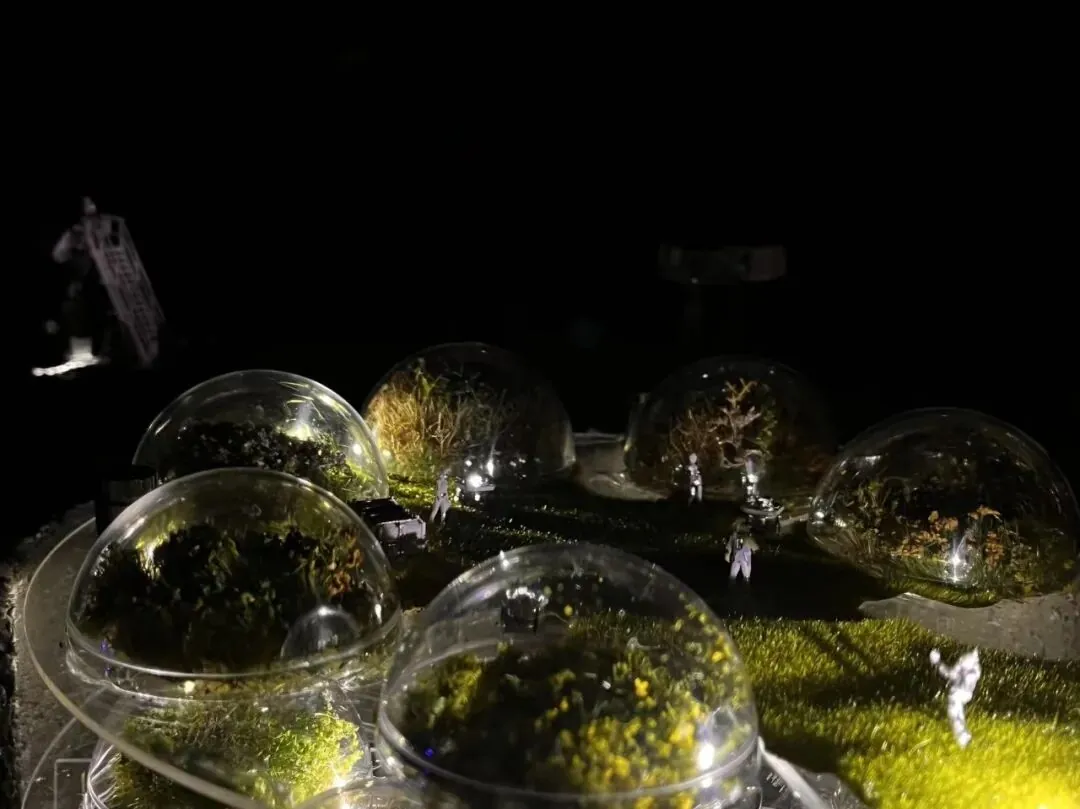
早申(ED)被拒,是很多建築申請者最難熬的時刻。今年我指導的一位學生,早申輪 ED 了哥倫比亞大學,結果被拒;但到了常規輪(RD),她拿到了普林斯頓大學建築方向 A.B. 的錄取,同時還錄取了密西根大學安娜堡建築本科(附獎學金)、南加州大學等校。
這篇不談作品集技巧(那部分我在普林斯頓建築本科作品集錄取解析已經拆過),而是整理她從 ED 被拒到普林斯頓錄取的完整過程:早申策略怎麼排、被拒之後文書怎麼收尾、等待放榜時心態怎麼穩住,以及我在旁邊看到的關鍵。
2026 年 10 月重新查核:文中普林斯頓與哥倫比亞的申請制度與截止日,均依兩校招生官網 2026–27 申請季資訊更新,每筆附官方來源;送件前請再以官網最新公告為準。
她的申請結果一覽
| 項目 | 內容 |
|---|---|
| 背景 | 美國高中(未修 AP 課程),未加權 GPA 4.0 |
| 早申(ED) | 哥倫比亞大學(Columbia)——被拒 |
| 最終錄取 | 普林斯頓大學(A.B.,建築方向) |
| 其他錄取 | 密西根大學安娜堡建築本科(附獎學金)、南加州大學(附獎學金)、伊利諾大學香檳分校、加州大學聖塔芭芭拉分校、華盛頓大學(西雅圖)、德州大學奧斯汀分校 |
ED 被拒,問題出在哪裡?
她選哥倫比亞 ED,是因為喜歡紐約的節奏感與行動力。事後她自己的檢討很誠實:一是自我定位與陳述偏「唯心」,講的是自己相信的樣子,招生官不一定接得住;二是她不喜歡被「糾錯」,ED 送出前沒有把個人陳述(PS)整份打掉重整,而是在拉扯中盡量把當下想清楚的東西塞進小文書裡。
我的看法是:ED 被拒很少是單一原因,學校的名額結構、科系配比都會影響結果,不必把它解讀成「你不夠好」。真正要做的是在常規輪截止前,分辨哪些是可以補強的(敘事是否清楚、作品是否回答了問題),哪些是不該改的(你真實的關注與立場)。她後來沒有改成一個「看起來更合理」的版本,而是把那幾個月反覆糾結的問題,寫成了普林斯頓小文書的回答。
為什麼不是普林斯頓早申?先搞懂 ED 和 SCEA 的規則
很多家長會問:既然普林斯頓是夢校,為什麼不直接早申普林斯頓?因為兩種早申規則互相排斥:
- 哥倫比亞 ED 是有約束力的:11 月 1 日截止,12 月中放榜;一旦錄取,必須接受並撤回其他所有申請(Columbia 官方 ED 說明)。
- 普林斯頓是單一選擇提前行動(Single-Choice Early Action,SCEA):11 月 1 日截止、12 月中放榜,錄取不具約束力,可以到 5 月 1 日再決定;但申請 SCEA 的人,不能同時申請美國其他私立大學的任何早申計畫(公立大學、國際大學與滾動錄取的非約束性早申除外)(Princeton 官方日期與規則)。
所以早申輪只能二選一:ED 一所私校,或 SCEA 普林斯頓。她選了哥倫比亞 ED,普林斯頓就只能走常規輪。這不是錯誤的選擇,而是取捨:ED 被拒後,她的普林斯頓、密西根、南加大等申請仍然完整地留在常規輪。
普林斯頓常規輪要準備什麼?(2026–27 官方時程)
| 項目 | 常規輪(RD) | 單一選擇提前行動(SCEA) |
|---|---|---|
| Common App 與普林斯頓專屬問題 | 1 月 1 日 | 11 月 1 日 |
| Graded Written Paper(老師批改過的寫作) | 1 月 1 日 | 11 月 1 日 |
| 選填 Arts Supplement(建築作品集由此提交) | 1 月 8 日 | 11 月 6 日 |
| 放榜 | 3 月下旬 | 12 月中 |
| 回覆入學期限 | 5 月 1 日 | |
標準化考試方面,申請 2027 年秋季入學(2026–27 申請季)仍為 test optional;但普林斯頓已公告,從 2027–28 申請季(2028 年秋季入學)起恢復要求 SAT 或 ACT(Princeton 官方考試政策)。
對 ED 被拒的學生來說,12 月中到 1 月初只有兩三週:普林斯頓的 Arts Supplement 比主申請晚一週截止,作品集還有一點調整空間。她的普林斯頓小文書,就是在截止當天才完成終稿。
普林斯頓看到的是什麼?作品集裡的三個項目
她說建築吸引她的不是 permanence(永恆),而是一種「translation」(轉譯)的能力:把語言無法完整承載的秩序感、文化記憶,甚至人與空間之間微妙的權力關係,轉成可以被體驗的形式。她的興趣很散,從天文、物理、數學、哲學、政治、經濟到國畫與攝影;建築是少數能同時容納這些好奇心的學科。這條主線貫穿了她的三個代表項目:
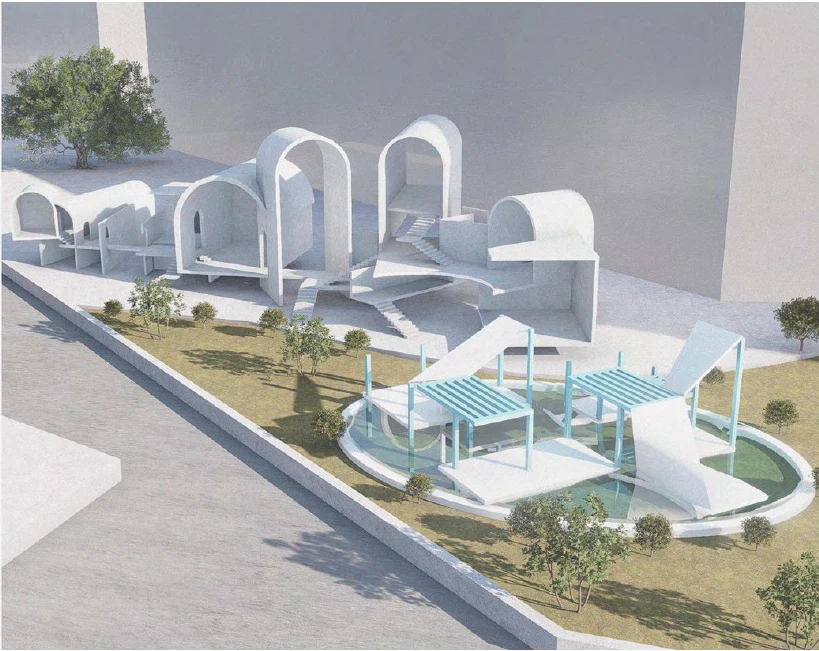
看完整作品:凝視之室 →
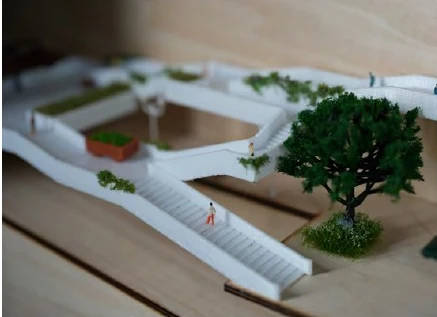
看完整作品:分層街道 →
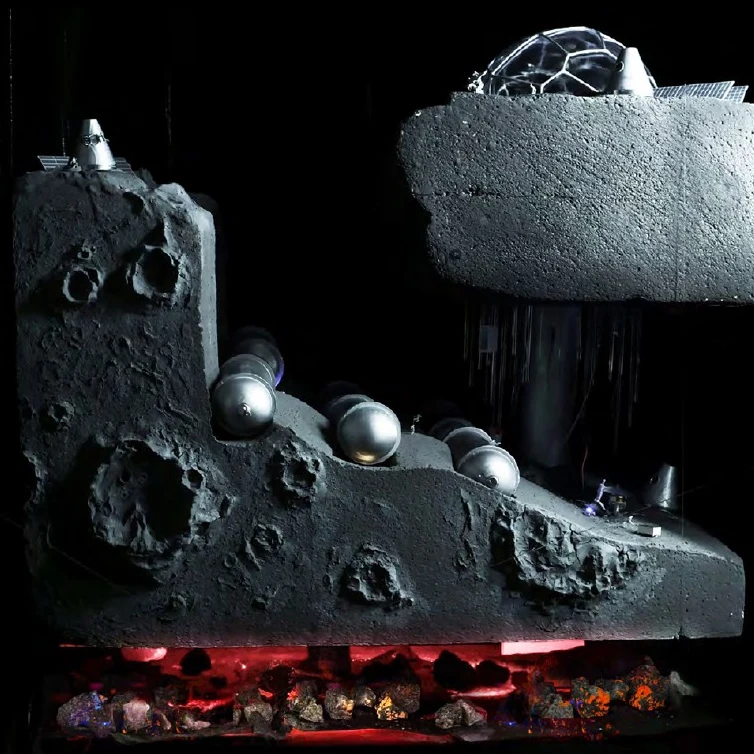
看完整作品:月球樞紐 →
第一個項目讓她第一次體會到,一個抽象構想怎樣同時整合人文視角、不同利害關係人的立場、美學策略和落地性。第二個項目則是把前一次從分區(zoning)、設計製作到簡報(pitching)的完整經驗,搬到暑期課程裡再用一次:大部分準備只有三天,她仍把結果做完,也拿到教授很高的評價。
她的心得很值得低年級學生參考:所謂「成熟度」不是遙不可及的終點,而是可以累積的能力——先去理解更高層級項目的執行邏輯,再回頭定義自己當下能做到的最大產出。即使暑期課程在外人看來很「水」,近距離接觸學科裡的人,也能延伸出很多可以繼續開發的課題。
ED 被拒之後,心態怎麼穩住?
- 不要整份推翻自己:被拒後最常見的反應是把文書全部重寫成「更合理」的版本。她選擇保留真實的立場,只把糾結了幾個月的問題想清楚,寫進回答裡。
- 允許「懸而未決」:高中最後一學期(美國 senior 下學期)她刻意放鬆,把忙碌時捨棄的生活感受撿回來,多陪家人、維繫友情。她說,比起十幾頁的申請 PDF,自己對自己的了解更清楚。
- 放榜週給自己安排生活:她和朋友約好,無論結果如何都出去吃一頓,避免把情緒全押在單一結果上。南加大先給了她 2027 年春季入學的錄取,算是定心丸;普林斯頓則是她最後才打開的那封信。
給申請者的選校建議
她的建議是:每一所學校都有足以吸引大多數高中生的學術資源,所以官網的學校研究很重要,但也可以去看和你背景、想法相近的學生寫的文字、做的活動,去感受那個社群的氛圍,再想像一下:你想呈現的個人表達,會不會在那個學術與人際網絡裡產生共振。
回頭整理申請材料時,她才發現自己一路選修了學校最難的社會科學、數學與物理課,在每個節點展現的求知慾是貫穿始終的。這也是我常提醒學生的:與其不斷修正一個「看起來更合理」的自己,不如承認已經發生的選擇本身,就是最直接的路徑記錄,再用作品集和文書把這條線講清楚。
我的觀察:她身上的「記者特質」
這位學生是從社群平台上找到我的。之後每個寒暑假和春假,只要時間允許,她幾乎都會到工作室推進作品。她對老師的意見始終開放,但不是被動接受,而是帶著自己的觀察、判斷與反思來碰撞,常常從很不一樣的角度切入。
我曾說她有很強的「記者特質」:善於觀察、願意思考、敢於質疑,會一直追問事物背後的邏輯。這種特質不是每個人都適合,也不總是輕鬆的,但當她把這些思考轉化為建築設計,作品就不只是形式,而是她的人格氣質、思維方式與價值判斷。她也常和自己「死磕」,細節堅持到最後一刻,時間常常因此很緊;但正是這份對自我的要求,讓她一路逼近自己真正想要的表達。
我從 2017 年至今累積 12,000+ 小時設計教學與設計諮詢。ED 被拒不是終點:只要常規輪的申請完整、作品集能說清楚你怎麼觀察與提出問題,夢校的門仍然開著。想看更多名校錄取作品,可以讀看完這五個作品,你會明白名校想要的到底是什麼,或到作品牆看完整作品。
早申(ED)被拒,是很多建筑申请者最难熬的时刻。今年我指导的一位学生,早申轮 ED 了哥伦比亚大学,结果被拒;但到了常规轮(RD),她拿到了普林斯顿大学建筑方向 A.B. 的录取,同时还录取了密西根大学安娜堡建筑本科(附奖学金)、南加州大学等校。
这篇不谈作品集技巧(那部分我在普林斯顿建筑本科作品集录取解析已经拆过),而是整理她从 ED 被拒到普林斯顿录取的完整过程:早申策略怎么排、被拒之后文书怎么收尾、等待放榜时心态怎么稳住,以及我在旁边看到的关键。
2026 年 10 月重新查核:文中普林斯顿与哥伦比亚的申请制度与截止日,均依两校招生官网 2026–27 申请季信息更新,每笔附官方来源;送件前请再以官网最新公告为准。
她的申请结果一览
| 项目 | 内容 |
|---|---|
| 背景 | 美国高中(未修 AP 课程),未加权 GPA 4.0 |
| 早申(ED) | 哥伦比亚大学(Columbia)——被拒 |
| 最终录取 | 普林斯顿大学(A.B.,建筑方向) |
| 其他录取 | 密西根大学安娜堡建筑本科(附奖学金)、南加州大学(附奖学金)、伊利诺大学香槟分校、加州大学圣塔芭芭拉分校、华盛顿大学(西雅图)、德州大学奥斯汀分校 |
ED 被拒,问题出在哪里?
她选哥伦比亚 ED,是因为喜欢纽约的节奏感与行动力。事后她自己的检讨很诚实:一是自我定位与陈述偏「唯心」,讲的是自己相信的样子,招生官不一定接得住;二是她不喜欢被「纠错」,ED 送出前没有把个人陈述(PS)整份打掉重整,而是在拉扯中尽量把当下想清楚的东西塞进小文书里。
我的看法是:ED 被拒很少是单一原因,学校的名额结构、科系配比都会影响结果,不必把它解读成「你不够好」。真正要做的是在常规轮截止前,分辨哪些是可以补强的(叙事是否清楚、作品是否回答了问题),哪些是不该改的(你真实的关注与立场)。她后来没有改成一个「看起来更合理」的版本,而是把那几个月反复纠结的问题,写成了普林斯顿小文书的回答。
为什么不是普林斯顿早申?先搞懂 ED 和 SCEA 的规则
很多家长会问:既然普林斯顿是梦校,为什么不直接早申普林斯顿?因为两种早申规则互相排斥:
- 哥伦比亚 ED 是有约束力的:11 月 1 日截止,12 月中放榜;一旦录取,必须接受并撤回其他所有申请(Columbia 官方 ED 说明)。
- 普林斯顿是单一选择提前行动(Single-Choice Early Action,SCEA):11 月 1 日截止、12 月中放榜,录取不具约束力,可以到 5 月 1 日再决定;但申请 SCEA 的人,不能同时申请美国其他私立大学的任何早申计划(公立大学、国际大学与滚动录取的非约束性早申除外)(Princeton 官方日期与规则)。
所以早申轮只能二选一:ED 一所私校,或 SCEA 普林斯顿。她选了哥伦比亚 ED,普林斯顿就只能走常规轮。这不是错误的选择,而是取舍:ED 被拒后,她的普林斯顿、密西根、南加大等申请仍然完整地留在常规轮。
普林斯顿常规轮要准备什么?(2026–27 官方时程)
| 项目 | 常规轮(RD) | 单一选择提前行动(SCEA) |
|---|---|---|
| Common App 与普林斯顿专属问题 | 1 月 1 日 | 11 月 1 日 |
| Graded Written Paper(老师批改过的写作) | 1 月 1 日 | 11 月 1 日 |
| 选填 Arts Supplement(建筑作品集由此提交) | 1 月 8 日 | 11 月 6 日 |
| 放榜 | 3 月下旬 | 12 月中 |
| 回复入学期限 | 5 月 1 日 | |
标准化考试方面,申请 2027 年秋季入学(2026–27 申请季)仍为 test optional;但普林斯顿已公告,从 2027–28 申请季(2028 年秋季入学)起恢复要求 SAT 或 ACT(Princeton 官方考试政策)。
对 ED 被拒的学生来说,12 月中到 1 月初只有两三周:普林斯顿的 Arts Supplement 比主申请晚一周截止,作品集还有一点调整空间。她的普林斯顿小文书,就是在截止当天才完成终稿。
普林斯顿看到的是什么?作品集里的三个项目
她说建筑吸引她的不是 permanence(永恒),而是一种「translation」(转译)的能力:把语言无法完整承载的秩序感、文化记忆,甚至人与空间之间微妙的权力关系,转成可以被体验的形式。她的兴趣很散,从天文、物理、数学、哲学、政治、经济到国画与摄影;建筑是少数能同时容纳这些好奇心的学科。这条主线贯穿了她的三个代表项目:
看完整作品:凝视之室 →
看完整作品:分层街道 →
看完整作品:月球枢纽 →
第一个项目让她第一次体会到,一个抽象构想怎样同时集成人文视角、不同利害关系人的立场、美学策略和落地性。第二个项目则是把前一次从分区(zoning)、设计制作到简报(pitching)的完整经验,搬到暑期课程里再用一次:大部分准备只有三天,她仍把结果做完,也拿到教授很高的评价。
她的心得很值得低年级学生参考:所谓「成熟度」不是遥不可及的终点,而是可以累积的能力——先去理解更高层级项目的运行逻辑,再回头定义自己当下能做到的最大产出。即使暑期课程在外人看来很「水」,近距离接触学科里的人,也能延伸出很多可以继续开发的课题。
ED 被拒之后,心态怎么稳住?
- 不要整份推翻自己:被拒后最常见的反应是把文书全部重写成「更合理」的版本。她选择保留真实的立场,只把纠结了几个月的问题想清楚,写进回答里。
- 允许「悬而未决」:高中最后一学期(美国 senior 下学期)她刻意放松,把忙碌时舍弃的生活感受捡回来,多陪家人、维系友情。她说,比起十几页的申请 PDF,自己对自己的了解更清楚。
- 放榜周给自己安排生活:她和朋友约好,无论结果如何都出去吃一顿,避免把情绪全押在单一结果上。南加大先给了她 2027 年春季入学的录取,算是定心丸;普林斯顿则是她最后才打开的那封信。
给申请者的选校建议
她的建议是:每一所学校都有足以吸引大多数高中生的学术资源,所以官网的学校研究很重要,但也可以去看和你背景、想法相近的学生写的文本、做的活动,去感受那个社群的氛围,再想像一下:你想呈现的个人表达,会不会在那个学术与人际网络里产生共振。
回头整理申请材料时,她才发现自己一路选修了学校最难的社会科学、数学与物理课,在每个节点展现的求知欲是贯穿始终的。这也是我常提醒学生的:与其不断修正一个「看起来更合理」的自己,不如承认已经发生的选择本身,就是最直接的路径记录,再用作品集和文书把这条线讲清楚。
我的观察:她身上的「记者特质」
这位学生是从社群平台上找到我的。之后每个寒暑假和春假,只要时间允许,她几乎都会到工作室推进作品。她对老师的意见始终开放,但不是被动接受,而是带着自己的观察、判断与反思来碰撞,常常从很不一样的角度切入。
我曾说她有很强的「记者特质」:善于观察、愿意思考、敢于质疑,会一直追问事物背后的逻辑。这种特质不是每个人都适合,也不总是轻松的,但当她把这些思考转化为建筑设计,作品就不只是形式,而是她的人格气质、思维方式与价值判断。她也常和自己「死磕」,细节坚持到最后一刻,时间常常因此很紧;但正是这份对自我的要求,让她一路逼近自己真正想要的表达。
我从 2017 年至今累积 12,000+ 小时设计教学与设计咨询。ED 被拒不是终点:只要常规轮的申请完整、作品集能说清楚你怎么观察与提出问题,梦校的门仍然开着。想看更多名校录取作品,可以读看完这五个作品,你会明白名校想要的到底是什么,或到作品墙看完整作品。
An Early Decision (ED) rejection is one of the hardest moments for many architecture applicants. A student I advised this year applied ED to Columbia in the early round and was rejected. In the regular round (RD), she was admitted to Princeton’s A.B. in architecture, and she was also admitted to undergraduate architecture at the University of Michigan in Ann Arbor (with a scholarship), USC, and other schools.
This post leaves portfolio technique aside (I have already taken that apart in an admissions reading of a Princeton undergraduate architecture portfolio). It sets out her full path from the ED rejection to the Princeton offer: how to set an early-round strategy, how to finish the essays after a rejection, and how to keep your footing while you wait for decisions, and the key things I saw while working beside her.
Rechecked in October 2026: the application systems and deadlines for Princeton and Columbia in this article were updated from both admissions websites for the 2026–27 cycle, and each point has an official source. Before you submit, check the latest announcement on the official sites again.
Her application results at a glance
| Field | Content |
|---|---|
| Background | A US high school (no AP courses), unweighted GPA 4.0 |
| Early application (ED) | Columbia — rejected |
| Final admission | Princeton (A.B., architecture) |
| Other offers | University of Michigan undergraduate architecture in Ann Arbor (with a scholarship), USC (with a scholarship), UIUC, UC Santa Barbara, University of Washington (Seattle), UT Austin |
The ED rejection: where was the problem?
She chose Columbia ED because she liked New York’s sense of rhythm and its drive to act. Looking back, her own account was honest. First, her self-positioning and her statement lived on the level of belief: she described the person she believed herself to be, and an admissions officer would not necessarily be able to take that in. Second, she dislikes being “corrected.” Before she submitted ED she did not scrap the personal statement (PS) and rebuild it. In that back-and-forth she tried to pack into the short essays whatever she had managed to clarify at the time.
My view is that an ED rejection rarely has a single cause. How many places a school has, and how those places are distributed across departments, both affect the result. There is no need to take it as “you are not good enough.” Before the regular-round deadline, sort out what can be strengthened (whether the narrative is clear, and whether the work answers the question) and what should stay as it is (your real concerns and your position). She did not recast herself into a version that “looked more reasonable.” She took the questions she had turned over for those months and wrote them into her answers to Princeton’s short essays.
Why not apply early to Princeton? Start with the ED and SCEA rules
Many parents ask: if Princeton is the dream school, why not apply early to Princeton directly? Because the two early-round rules exclude each other:
- Columbia ED is binding: the deadline is 1 November, and decisions come in mid-December. Once admitted, you must accept and withdraw every other application (Columbia’s official ED explanation).
- Princeton is Single-Choice Early Action (SCEA): the deadline is 1 November, decisions come in mid-December, and an offer is not binding, so you can decide until 1 May. Someone applying SCEA cannot at the same time apply to any early plan at another private university in the United States (public universities, universities outside the United States, and non-binding early plans with rolling admission are exceptions) (Princeton’s official dates and rules).
So the early round is a choice of one: ED at one private university, or SCEA at Princeton. She chose Columbia ED, so Princeton could only be a regular-round application. That was a sound trade-off: after the ED rejection, her applications to Princeton, the University of Michigan, USC, and the others were still fully intact in the regular round.
What do you prepare for Princeton’s regular round? (official 2026–27 timeline)
| Field | Regular round (RD) | Single-Choice Early Action (SCEA) |
|---|---|---|
| Common App and the Princeton-specific questions | 1 January | 1 November |
| Graded Written Paper (writing marked by a teacher) | 1 January | 1 November |
| Optional Arts Supplement (the architecture portfolio is submitted here) | 8 January | 6 November |
| Decisions | late March | mid-December |
| Deadline to reply | 1 May | |
On standardized tests, applications for fall 2027 entry (the 2026–27 cycle) remain test optional. Princeton has announced that from the 2027–28 cycle (fall 2028 entry) it will again require the SAT or ACT (Princeton’s official testing policy).
For a student rejected in ED, mid-December to early January is only two or three weeks. Princeton’s Arts Supplement is due a week after the main application, so the portfolio still has a little room to adjust. She finished the final draft of her Princeton short essays on the deadline day itself.
What did Princeton see? Three projects in the portfolio
She says what draws her to architecture is not permanence, but a capacity for “translation”: turning a sense of order, cultural memory, and even the subtle power relations between people and space — things language cannot fully carry — into a form that can be experienced. Her interests run wide, from astronomy, physics, mathematics, philosophy, politics, and economics to Chinese painting and photography. Architecture is one of the few disciplines that can hold all of these curiosities at once. That line runs through her three representative projects:
See the full project: The Gaze Chamber →
See the full project: The Layered Street →
See the full project: Lunar Nexus →
The first project was the first time she saw how one abstract idea can hold, at the same time, a humanities perspective, the positions of different stakeholders, an aesthetic strategy, and the prospect of actually carrying it out. The second project took a previous complete run, from zoning through design and making to pitching, and used it again in the summer course: most of the preparation was only three days, she still finished the result, and the professor rated it highly.
Her takeaway is one younger students can use: what gets called “maturity” is not a distant endpoint. It is a capacity you can accumulate — first understand how a more advanced project is carried out, then come back and define the largest output you can produce where you are now. Even when a summer course looks thin to outsiders, being close to people in the discipline can open many questions you can keep developing.
After an ED rejection, how do you keep your footing?
- Do not overturn yourself entirely: the most common reaction after a rejection is to rewrite every essay into a “more reasonable” version. She chose to keep her real position, and only to think through the questions she had wrestled with for months and write them into the answers.
- Allow things to stay unresolved: in the last term of high school (the spring of senior year in the US) she deliberately eased off, picked back up the feel of daily life she had set aside while she was busy, spent more time with her family, and kept her friendships. She said that, set beside an application PDF of ten or more pages, she understood herself more clearly.
- Plan a life for decision week: she and a friend agreed to go out for a meal whatever the result, so the feeling would not all rest on a single outcome. USC first offered her admission for spring 2027 entry, which steadied her. Princeton was the letter she opened last.
School-choice advice for applicants
Her advice: every school has academic resources that would attract most high-school students, so research on the official website matters, and you can also read writing by students whose background and thinking are close to yours, and look at the activities they take on, to get a feel for that community. Then imagine whether the personal expression you want to put forward would resonate inside that academic and interpersonal network.
Only when she went back over her application materials did she see that she had kept choosing the hardest social-science, mathematics, and physics courses the school offered, and that the curiosity she showed at each point ran all the way through. This is also what I often tell students: acknowledge that the choices already made are themselves the most direct record of the path, rather than keep revising toward a self that “looks more reasonable,” and then use the portfolio and the essays to make that line clear.
What I saw: the “reporter” quality in her
This student found me through a social platform. After that, every winter break, summer break, and spring break, whenever time allowed, she almost always came to the studio to push the work forward. She stayed open to her teachers’ comments, and she met them with her own observation, judgment, and reflection, often coming in from a quite different angle.
I once said she has a strong “reporter” quality: she observes well, is willing to think, dares to question, and keeps asking about the logic behind things. This quality does not suit everyone, and it is not always easy. When she turns that thinking into architectural design, the work is more than form. It carries her temperament, her way of thinking, and her value judgments. She also often drives herself hard, holding the details to the last moment, so time is often very short. That demand she places on herself is what kept bringing her closer to the expression she actually wanted.
Since 2017 I have accumulated 12,000+ hours of design teaching and design advising. An ED rejection is not the end: if the regular-round application is complete and the portfolio can say clearly how you observe and how you pose a question, the door to a dream school is still open. To see more admitted work from leading schools, read Read these five projects and you will see what top schools actually want, or go to the project wall for the full projects.
English summary
A case study of a student who was rejected by Columbia in the binding Early Decision round and later admitted to Princeton's A.B. with a concentration in architecture in Regular Decision, alongside offers from the University of Michigan (architecture, with scholarship), USC, UIUC, UC Santa Barbara, the University of Washington and UT Austin. Princeton uses non-binding Single-Choice Early Action: SCEA applicants may not apply to any other private US college's early program, so the early round is a choice between one private ED and Princeton SCEA. Re-checked on official pages in October 2026: Princeton's Regular Decision application (including the graded written paper) is due 1 January, the optional Arts Supplement for architecture work is due 8 January, decisions come in late March and the reply date is 1 May; testing is optional for fall 2027 entry and required again from the 2027-28 cycle. Columbia ED is due 1 November with mid-December decisions. The article covers how she finished her essays after the rejection without rewriting her stance, the three portfolio projects (UN Plaza redesign, a layered street from a summer programme, a lunar crater habitat), and how she managed the wait for results.
常見問題常见问题FAQ
ED 被拒之後,還有機會錄取普林斯頓嗎?ED 被拒之后,还有机会录取普林斯顿吗?After an ED rejection, is there still a chance of admission to Princeton?
有。本文的學生早申 ED 哥倫比亞被拒,常規輪錄取普林斯頓建築方向 A.B.。ED 被拒後,常規輪的申請仍完整保留;關鍵是在截止前把敘事補清楚、讓作品集回答「你怎麼觀察與提出問題」。
有。本文的学生早申 ED 哥伦比亚被拒,常规轮录取普林斯顿建筑方向 A.B.。ED 被拒后,常规轮的申请仍完整保留;关键是在截止前把叙事补清楚、让作品集回答「你怎么观察与提出问题」。
Yes. The student in this article was rejected from Columbia ED and admitted in the regular round to Princeton’s A.B. in architecture. After an ED rejection, the regular-round applications remain fully in place. The key is to clarify the narrative before the deadline and let the portfolio answer how you observe and how you pose questions.
可以同時 ED 其他學校又早申普林斯頓嗎?可以同时 ED 其他学校又早申普林斯顿吗?Can you apply ED to another school and also apply early to Princeton?
不行。普林斯頓採單一選擇提前行動(SCEA),申請者不能同時申請美國其他私立大學的任何早申計畫;公立大學、國際大學與滾動錄取的非約束性早申除外。所以早申輪只能在一所私校的 ED 與普林斯頓 SCEA 之間二選一。
不行。普林斯顿采单一选择提前行动(SCEA),申请者不能同时申请美国其他私立大学的任何早申计划;公立大学、国际大学与滚动录取的非约束性早申除外。所以早申轮只能在一所私校的 ED 与普林斯顿 SCEA 之间二选一。
No. Princeton uses Single-Choice Early Action (SCEA). Applicants cannot at the same time apply to any early plan at another private university in the United States. Public universities, universities outside the United States, and non-binding early plans with rolling admission are exceptions. In the early round you therefore choose between ED at one private university and Princeton SCEA.
普林斯頓常規輪的截止日是什麼時候?普林斯顿常规轮的截止日是什么时候?When is Princeton’s regular-round deadline?
依普林斯頓官網 2026–27 申請季資訊,常規輪主申請(含普林斯頓專屬問題與 Graded Written Paper)1 月 1 日截止,選填 Arts Supplement 1 月 8 日截止,3 月下旬放榜,5 月 1 日前回覆是否入學。
依普林斯顿官网 2026–27 申请季信息,常规轮主申请(含普林斯顿专属问题与 Graded Written Paper)1 月 1 日截止,选填 Arts Supplement 1 月 8 日截止,3 月下旬放榜,5 月 1 日前回复是否入学。
According to Princeton’s website for the 2026–27 cycle, the regular-round main application (including the Princeton-specific questions and the Graded Written Paper) is due on 1 January, the optional Arts Supplement is due on 8 January, decisions come in late March, and you reply on whether you will enrol by 1 May.
普林斯頓建築作品集要怎麼提交?普林斯顿建筑作品集要怎么提交?How do you submit an architecture portfolio to Princeton?
建築作品透過選填的 Optional Arts Supplement 提交,常規輪 1 月 8 日、SCEA 11 月 6 日截止,須先送出大學申請,才能在申請者入口上傳。
建筑作品通过选填的 Optional Arts Supplement 提交,常规轮 1 月 8 日、SCEA 11 月 6 日截止,须先送出大学申请,才能在申请者入口上传。
Architecture work is submitted through the optional Arts Supplement. The regular-round deadline is 8 January and the SCEA deadline is 6 November. You must submit the university application first before you can upload it in the applicant portal.
普林斯頓申請需要 SAT 或 ACT 嗎?普林斯顿申请需要 SAT 或 ACT 吗?Does a Princeton application require the SAT or ACT?
申請 2027 年秋季入學(2026–27 申請季)仍為 test optional;普林斯頓已公告從 2027–28 申請季(2028 年秋季入學)起恢復要求 SAT 或 ACT。
申请 2027 年秋季入学(2026–27 申请季)仍为 test optional;普林斯顿已公告从 2027–28 申请季(2028 年秋季入学)起恢复要求 SAT 或 ACT。
Applications for fall 2027 entry (the 2026–27 cycle) remain test optional. Princeton has announced that from the 2027–28 cycle (fall 2028 entry) it will again require the SAT or ACT.
訂閱新文章订阅新文章Subscribe
新文章會寄到這個信箱。新文章会寄到这个邮箱。New posts will be emailed to this address.
已訂閱。已订阅。Subscribed.暫時無法訂閱,請稍後再試。暂时无法订阅,请稍后再试。Could not subscribe. Please try again.相關文章相关文章Related posts
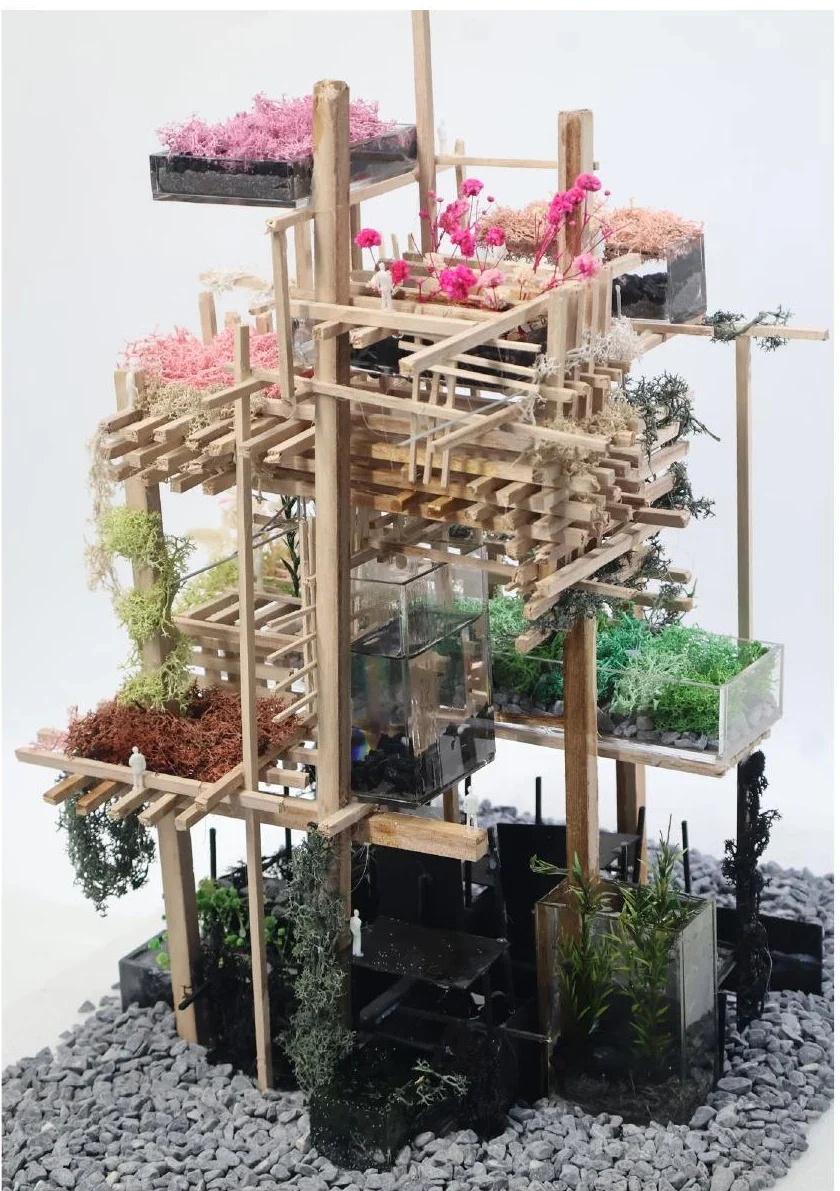 ED 被延到 RD 仍錄取康乃爾建築本科:活動少,靠八個實體項目的作品集翻盤(2026 年 10 月官方查核)ED 被延到 RD 仍录取康乃尔建筑本科:活动少,靠八个实体项目的作品集翻盘(2026 年 10 月官方查核)Deferred from ED, admitted RD to Cornell B.Arch: an eight-project physical-model portfolio that made up for few activities (checked October 2026)康乃爾 ED 被延到 RD、課外活動偏少,他靠八個實體項目的作品集,最後錄取康乃爾 B.Arch,以及南加大、伊利諾香檳、東北大學與伊利諾理工。整理他等待放榜的心態、選校邏輯與垂直綠化塔「翠綠立面」的做法,並對照康乃爾 AAP 官網:ED 11 月 1 日、RD 1 月 2 日截止,作品集 15–20 張、每項目最多 2 張,加 3 分鐘影片面試。康乃尔 ED 被延到 RD、课外活动偏少,他靠八个实体项目的作品集,最后录取康乃尔 B.Arch,以及南加大、伊利诺香槟、东北大学与伊利诺理工。整理他等待放榜的心态、选校逻辑与垂直绿化塔「翠绿立面」的做法,并对照康乃尔 AAP 官网:ED 11 月 1 日、RD 1 月 2 日截止,作品集 15–20 张、每项目最多 2 张,加 3 分钟视频面试。Deferred from Cornell ED to RD, and with few extracurricular activities, he relied on a portfolio of eight physical projects and was admitted to the Cornell B.Arch, as well as USC, UIUC, Northeastern, and Illinois Tech (IIT). This post sets out how he waited for decisions, how he chose schools, and how he made the vertical greening tower “Verdant Facade,” and checks that against the Cornell AAP website: an ED deadline of November 1, an RD deadline of January 2, a portfolio of 15–20 images with at most 2 per project, and a 3-minute video interview.
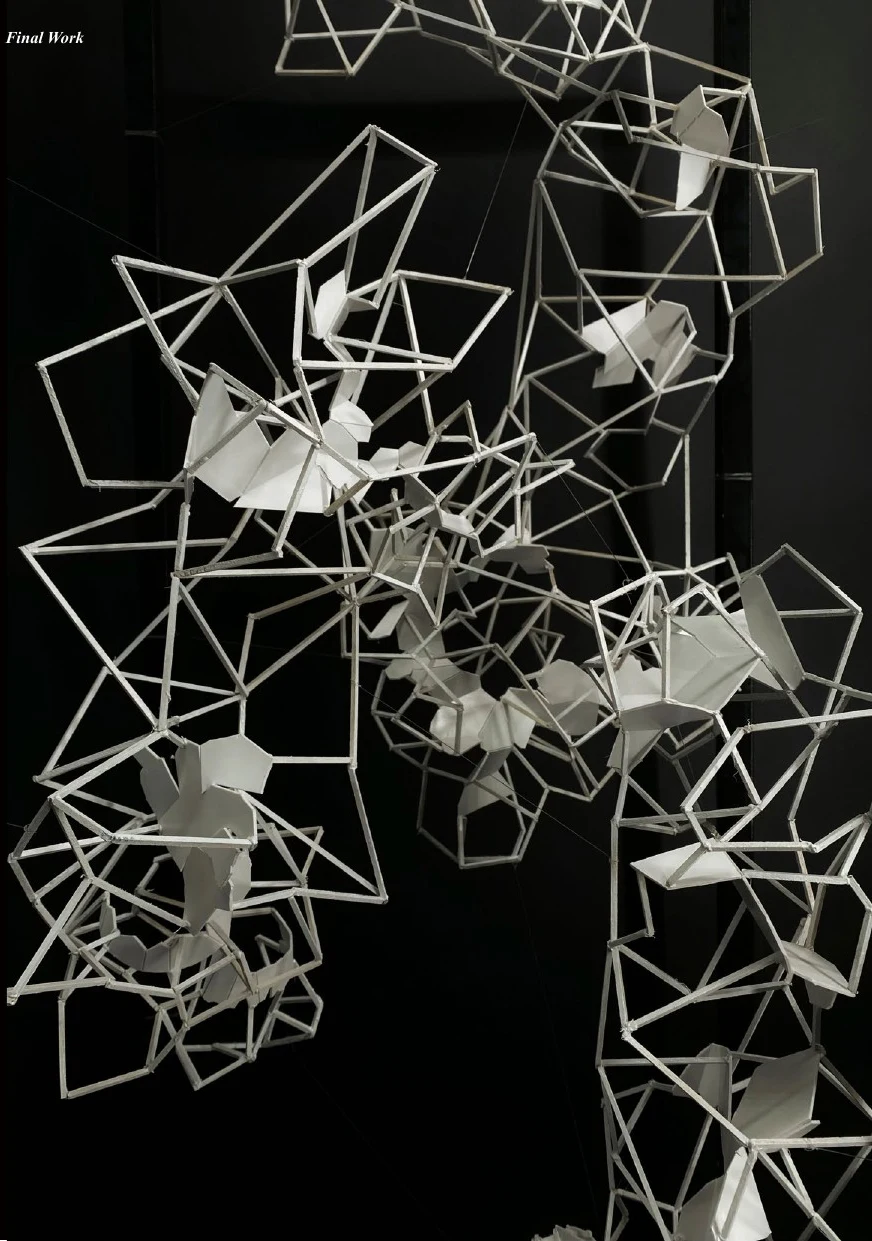 ED 錄取萊斯建築 B.Arch:用一堆舊衣服回應快時尚,一本主線一致的本科作品集怎麼做(2026 年 10 月官方查核)ED 录取莱斯建筑 B.Arch:用一堆旧衣服回应快时尚,一本主线一致的本科作品集怎么做(2026 年 10 月官方查核)Rice Architecture B.Arch by Early Decision: a sustainability portfolio built from secondhand clothes (checked October 2026)成績不是最突出,作品集一度「散」和「亂」,她最後以 ED 錄取第一志願萊斯大學建築 B.Arch。整理她以可持續性與「空間如何影響情緒」為主線的作品集、用二手衣物回應快時尚的大型裝置,並對照萊斯官網:ED I 11 月 1 日截止、12 月中旬前放榜,作品集 10 頁、15 MB,兩題 250 字建築文書。成绩不是最突出,作品集一度「散」和「乱」,她最后以 ED 录取第一志愿莱斯大学建筑 B.Arch。整理她以可持续性与「空间如何影响情绪」为主线的作品集、用二手衣物回应快时尚的大型装置,并对照莱斯官网:ED I 11 月 1 日截止、12 月中旬前放榜,作品集 10 页、15 MB,两题 250 字建筑文书。Her grades were not the strongest, and the portfolio was at one point “scattered” and “messy,” yet she was admitted by ED to her first choice, the architecture B.Arch at Rice University. This post sets out a portfolio built on sustainability and “how space affects emotion,” including a large installation of secondhand clothes answering fast fashion, against Rice’s website: ED I closes on November 1 with decisions by mid-December, the portfolio is 10 pages and 15 MB, and there are two architecture essays of 250 words each.
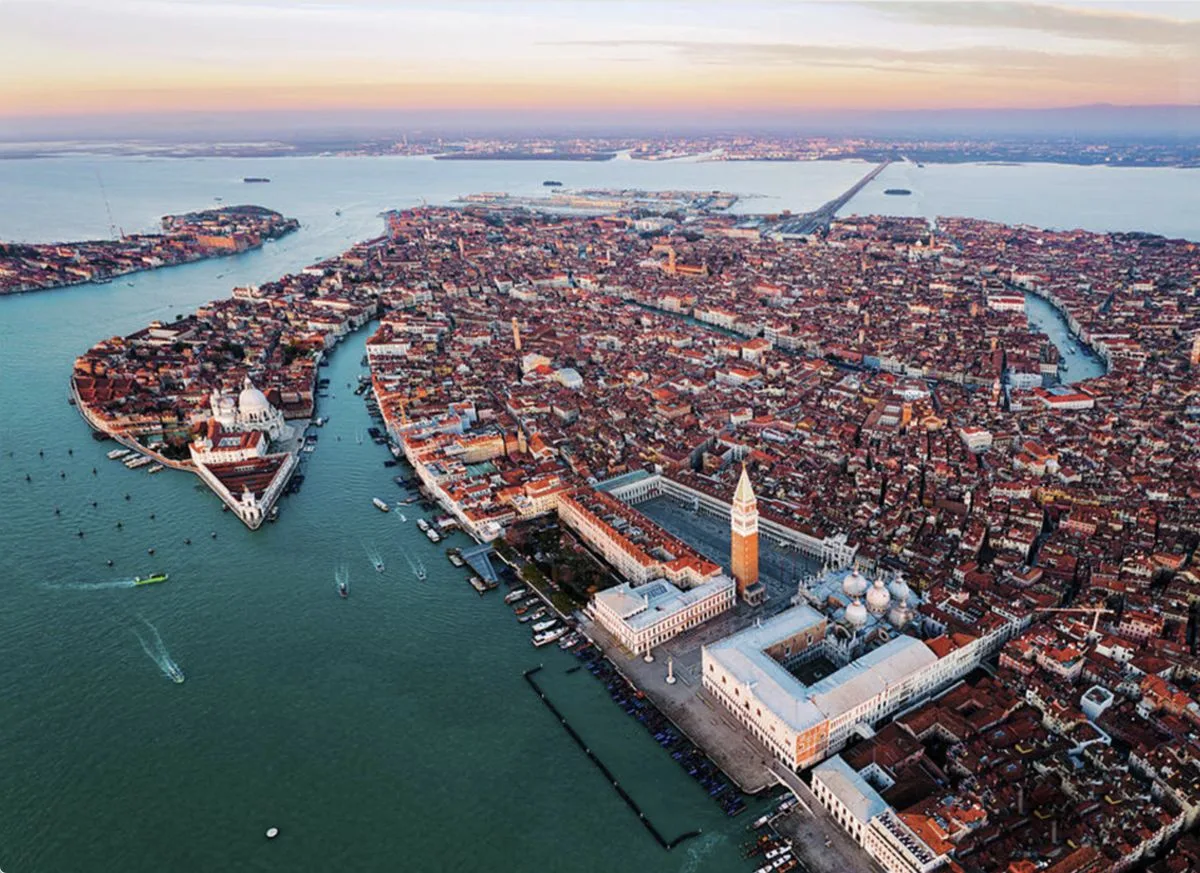 規劃背景 6 個月拿下港中文城市設計碩士:CUHK MSUD 選校、作品集與面試經驗(2026 年 10 月官方查核)规划背景 6 个月拿下港中文城市设计硕士:CUHK MSUD 选校、作品集与面试经验(2026 年 10 月官方查核)From urban planning to CUHK MSc Urban Design in six months: school choice, portfolio and interview (checked October 2026)城鄉規劃本科、GPA 與雅思剛好達標,作品集從零開始,用約 6 個月拿到香港中文大學城市設計碩士(CUHK MSUD)錄取。整理她的選校理由、4 個項目的作品集策略、文書與面試經驗,並對照 CUHK 2027–28 官方申請指引:17 個月學制、HK$300,000 學費、1 月 15 日主輪截止、IELTS 6.5 與 10 MB 作品集規格。城乡规划本科、GPA 与雅思刚好达标,作品集从零开始,用约 6 个月拿到香港中文大学城市设计硕士(CUHK MSUD)录取。整理她的选校理由、4 个项目的作品集策略、文书与面试经验,并对照 CUHK 2027–28 官方申请指引:17 个月学制、HK$300,000 学费、1 月 15 日主轮截止、IELTS 6.5 与 10 MB 作品集规格。With an undergraduate degree in urban and rural planning, a GPA and an IELTS score that only just met the bar, and a portfolio built from scratch, she was admitted to the MSc in Urban Design (MSUD) at The Chinese University of Hong Kong in about 6 months. This post sets out why she chose the school, her strategy for a portfolio of 4 projects, and her experience with the statement and the interview, checked against CUHK’s official 2027–28 application guidance: a 17-month structure, tuition of HK$300,000, a main-round deadline of 15 January, IELTS 6.5 and a 10 MB portfolio limit.